March 4, 2026
Modern landscape design trends that are worth the investment
By Jenna Bayer | March 4, 2026
In today's ever-evolving design landscape, the outdoor spaces of our homes and businesses have gained as much priority as the interiors. Modern landscape design not only enhances aesthetic appeal but also boosts property value. In this article, we delve into trending design strategies that are not only stylish but also great long-term investments. If you have been on the fence about a renovation, the financial upside is clear: According to Home Guide, landscaping can increase home value by 10% to 30% based on the quality and type of improvements. To achieve these results, many homeowners rely on professional landscape design services to create a master plan that balances beauty with a high return on investment.
Prioritizing Eco-Friendly Landscaping Choices
Sustainability is no longer a niche interest; it is the cornerstone of modern exterior design. Choosing native plants for your landscape is a sustainable choice that aligns with the local environment's natural ecosystem. Native plants are adapted to the local climate and soil conditions, reducing the need for artificial fertilizers and excessive watering, which are often required for non-native species. These plants support local wildlife, including pollinators like bees and butterflies, contributing to biodiversity conservation. In addition to these environmental benefits, using native plants can be cost-effective in the long term as they typically require less maintenance. For homeowners looking to invest wisely, native plant selection is a straightforward yet impactful decision.
Organic fertilization and pest control are also integral to eco-friendly landscaping, offering non-toxic solutions that protect plants and the surrounding environment. Utilizing compost and organic soil amendments enriches the soil without the harmful effects of chemical fertilizers. Organic pest control methods, such as the use of beneficial insects and natural repellents, keep harmful pests at bay while supporting biodiversity. Environmentally conscious homeowners are increasingly adopting these practices to create healthier landscapes for their families and local wildlife. Investing in organic solutions promotes long-term soil health and sustainability, increasing the property’s value through environmental stewardship.
Implementing Smart Technology Use
Technology has moved from our pockets into our gardens, and the result is a more efficient, hands-off approach to maintenance. Many landscape design services now offer full-scale tech integration as a core part of their packages. Automated irrigation systems represent a significant advancement in landscape management, offering precision and convenience. These systems allow homeowners to tailor watering schedules based on weather conditions, soil moisture levels, and plant types, optimizing water use and promoting plant health. By incorporating smart sensors, these systems adjust watering times and volumes to prevent water wastage and promote conservation. Automation not only reduces the manual effort required for watering but also ensures that landscapes are adequately nourished, regardless of the owner's availability.
Smart outdoor lighting controls enhance both the functionality and ambiance of landscapes, adapting to user preferences and environmental cues. These systems allow homeowners to schedule lighting based on occupancy, movement, or time of day, optimizing energy use and increasing security. The ability to control lighting remotely through smartphone apps adds a layer of convenience, enabling homeowners to adjust lighting even when away from home. Additionally, LED technology used in smart lighting systems is energy-efficient, providing long-term savings on electricity bills. Smart lighting solutions not only illuminate landscapes beautifully but also represent a smart investment in modern living.
Cultivating Edible Landscapes Professionally
Why settle for a landscape that is purely decorative when it can also be delicious? The rise of the "food forest" is a trend that adds literal fruit to your investment. Functional vegetable gardens combine aesthetics with utility, transforming landscapes into productive food sources. With careful planning and design, these gardens provide fresh produce that reduces grocery bills and enhances sustainability. Homeowners can select a variety of vegetables suited to their climate and preferences, creating diverse and vibrant landscape elements. Vegetable gardens promote nutritional benefits, offering organic produce free from pesticides and chemicals. As interest in homegrown food and self-sufficiency grows, vegetable gardens emerge as a dual-purpose investment that yields sightly and delicious rewards.
Strategic placement can enhance landscape aesthetics, offering privacy, shade, and habitat for wildlife. Trees and shrubs once established require minimal maintenance, offering long-term benefits with relatively low investment. For homeowners seeking to diversify their landscapes, fruit-bearing species present an opportunity to blend nature's beauty with practicality sustainably. Herb gardens are another accessible and rewarding addition, offering fresh flavors for culinary endeavors. These gardens can be seamlessly integrated into larger designs, providing greenery alongside aromatic benefits.
Designing Outdoor Living Spaces
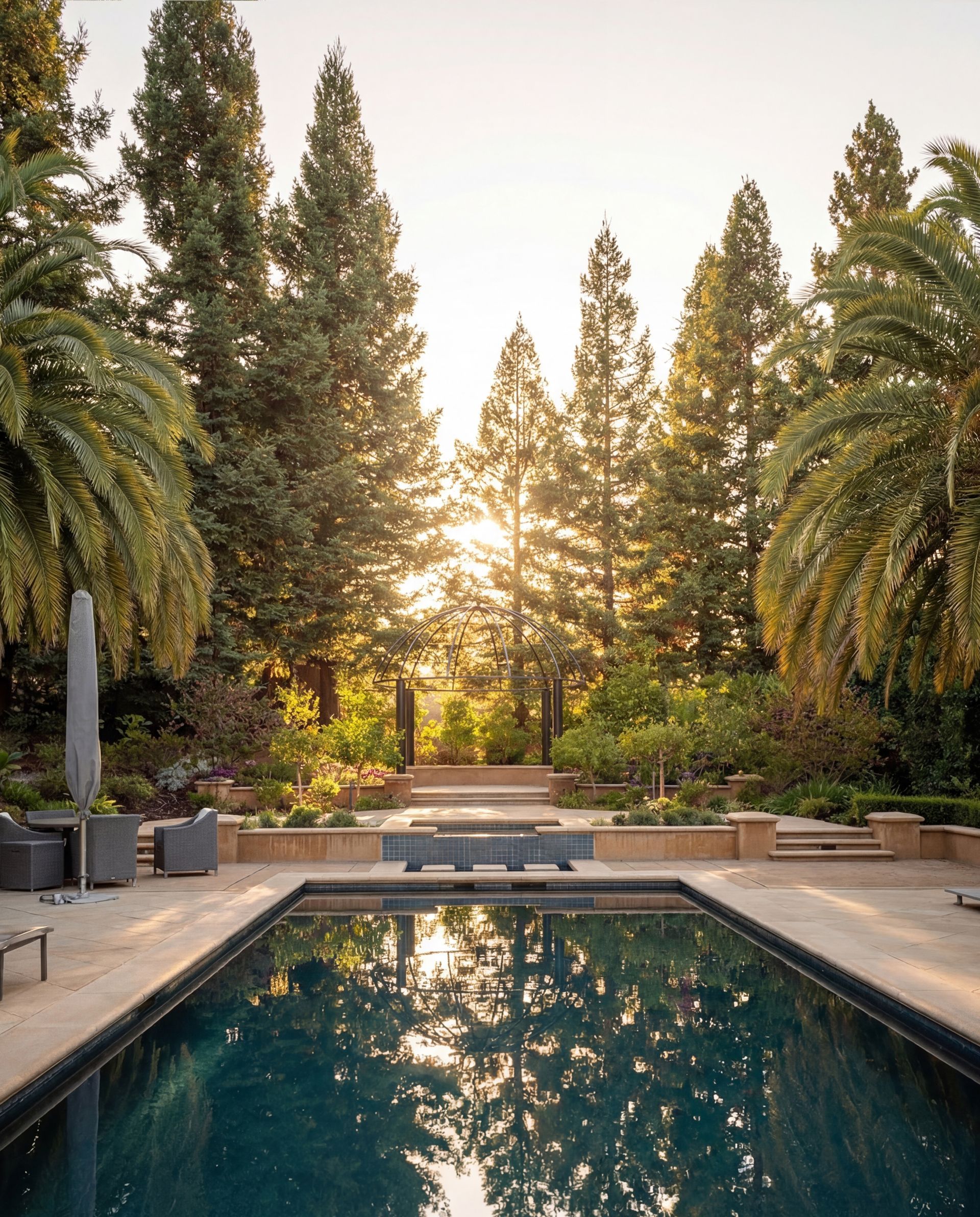
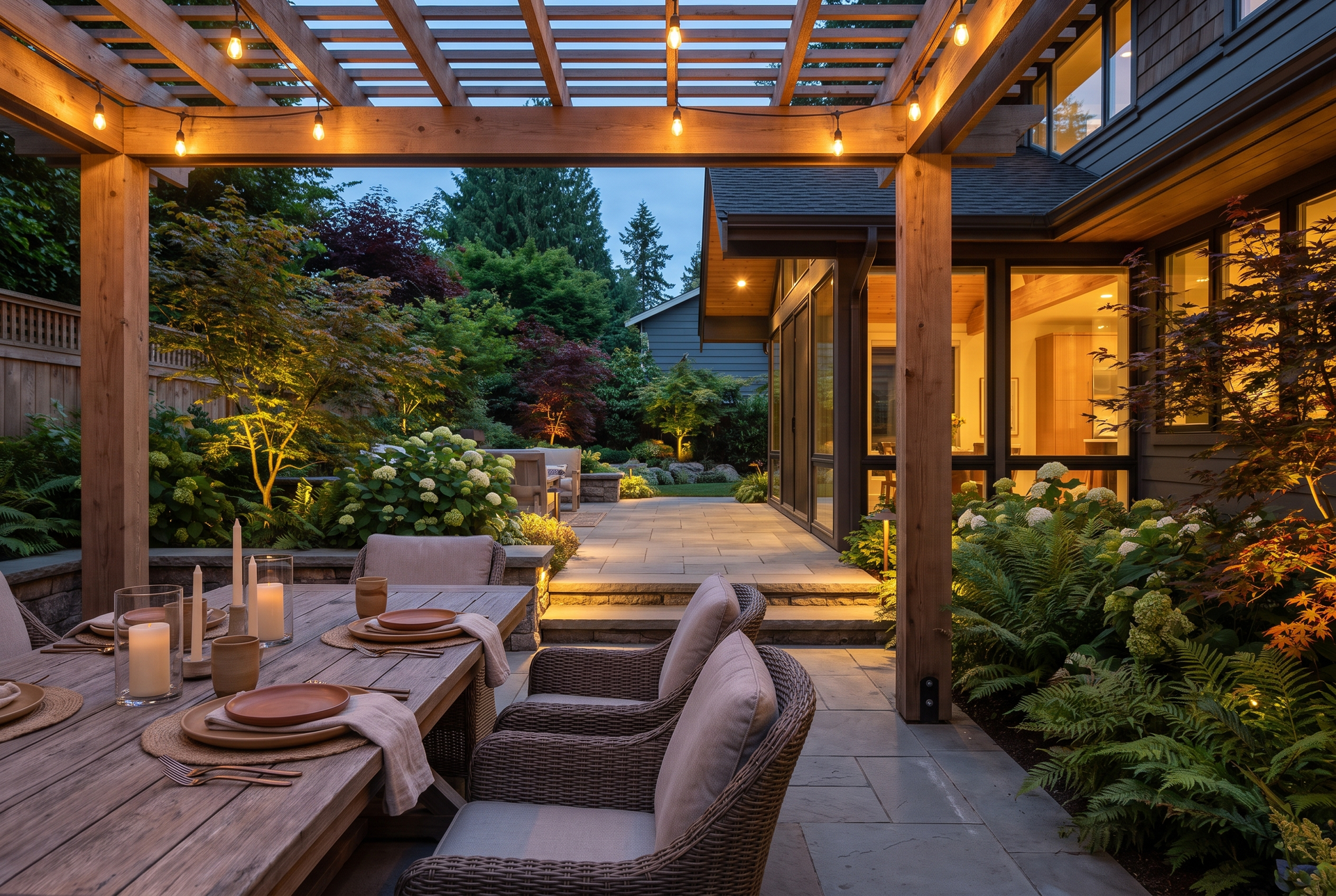
The modern backyard is no longer just a patch of lawn; it is a fully functional living room under the sky. This is where landscape design services truly shine by creating seamless transitions between the home and the yard. Patios and decks expand living spaces beyond the home’s walls, offering versatile areas for relaxation and entertainment. With careful design, these spaces can enhance the aesthetic appeal of landscapes, integrating seamlessly with natural surroundings. Durable materials like composite decking or natural stone create attractive and long-lasting surfaces that withstand the elements.
Comfortable seating arrangements enhance outdoor living spaces, creating inviting spots for relaxation and interaction. From lounge chairs to hammocks and built-in benches, options abound to suit diverse stylistic preferences. The selection of weather-resistant materials and cushions ensures durability and comfort, accommodating extended outdoor use. Incorporating entertainment and audio infrastructure further transforms landscapes into multi-dimensional environments. Outdoor speakers, projectors, and screens enable homeowners to host movie nights or sports viewing. Wireless technology and smart integration offer seamless control, connecting with personal devices for convenience.
Integrating Sustainable Hardscaping Solutions
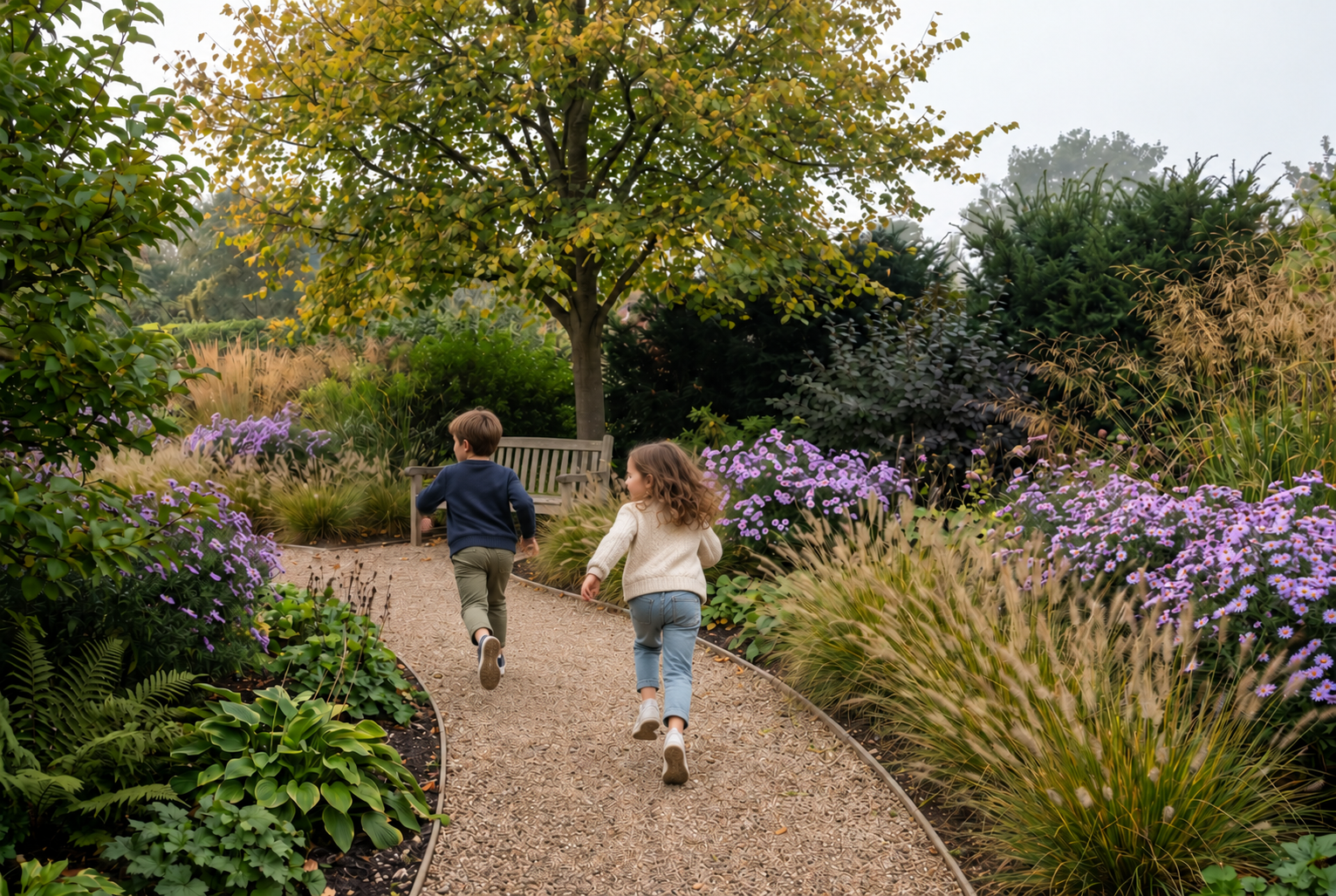
Hardscaping refers to the non-living elements of your garden, like paths and walls, and it is a major factor in a property's value. Permeable pavers offer a sustainable solution for hardscaping, allowing water to pass through surfaces to replenish groundwater. These materials reduce runoff, mitigating flooding and erosion while supporting healthy water management practices. Permeable paver designs are versatile, enhancing aesthetics while aligning with environmental goals and regulations. By integrating these pavers, landscapes achieve a balance between functional walkways and driveways and sustainable stormwater management. Investing in permeable pavers is a forward-thinking choice for environmentally responsible property owners.
Integrated drainage solutions are vital for effective landscape management, preventing waterlogging and erosion while supporting sustainable water use. Designing landscapes with proper grading, French drains, and bioswales ensures water is channeled effectively away from structures and towards beneficial areas. These solutions enhance plant health and reduce maintenance challenges by managing excess water efficiently. Low carbon footprint construction in landscapes prioritizes practices that reduce greenhouse gas emissions. Efficient construction techniques aim to minimize on-site disturbances and use local materials.
Emphasizing Biophilic Design Principles
Biophilic design is the practice of connecting people with nature through the built environment, and it is one of the most popular trends in high-end homes today. Nurturing natural connections through biophilic design principles enhances the relationship between humans and nature within landscapes. By integrating nature-inspired elements, such as abundant greenery and organic forms, these landscapes promote well-being and environmental harmony. This design approach encourages immersion in nature, fostering emotional and psychological connections that improve mental health.
The use of natural materials in landscape design emphasizes authenticity and harmony with the surrounding environment. Materials such as stone, wood, and clay imbue landscapes with natural beauty and tactile richness, creating spaces that feel grounded and inviting. These materials are often chosen for their durability and ability to age gracefully, enhancing the landscape’s character over time.
Investing in Professional Excellence
The trends we have discussed represent the gold standard of modern yard improvement. Whether you are looking for a tech-heavy entertaining space or a quiet, edible sanctuary, the key is to approach the project as a long-term investment. High-quality landscape design services take the guesswork out of the process, ensuring that your vision is both sustainable and value-additive. As we have seen, the right improvements can drastically increase your home's appraisal, but the real benefit is the daily enjoyment of a beautiful, functional outdoor space.
The trends outlined not only align with current desires for sustainable, tech-savvy, and enjoyable outdoor spaces, but they also promise substantial returns on investment. For homeowners and landscape enthusiasts, incorporating these trends can lead to improved quality of life, increased property values, and a more sustainable footprint. As landscaping continues to evolve, adoption of these cutting-edge trends will be key in staying ahead. To begin your journey toward a more beautiful and valuable property, trust the experts at Jenna Bayer Garden Design.