Transforming an ordinary outdoor yard into a breathtaking, functional retreat requires far more than planting a few flower beds and maintaining a green lawn. A well-conceived residential outdoor space acts as a seamless extension of your home's interior architecture, creating an inviting natural environment for relaxation, entertainment, and personal reflection. Designing a cohesive outdoor environment involves balancing living plant elements with structural hardscape features, managing natural terrain drainage, and curating plant species that thrive across changing seasonal weather cycles. Without a clear master plan, outdoor spaces often end up looking disjointed, requiring excessive upkeep while failing to reach their true aesthetic potential.
Achieving a harmonious outdoor aesthetic requires a thoughtful blend of artistic vision, botanical expertise, and sustainable environmental practices. Strategic outdoor planning optimizes spatial flow, highlights architectural features, and establishes captivating focal points that draw eyes across the property. Furthermore, responsible resource management plays a critical role in long-term outdoor sustainability; according to EPA, outdoor water use accounts for more than 30% of household water use on average. By integrating smart irrigation methods, native botanical selections, and balanced structural layouts, homeowners can cultivate vibrant living environments that conserve valuable natural resources. Investing in professional planning turns outdoor properties into sustainable, high-value sanctuaries that bring daily joy and enduring beauty.
Assessing Site Conditions and Environmental Factors
Evaluating the unique physical characteristics of your property forms the critical foundation for any successful outdoor transformation project. Every property possesses distinct microclimates influenced by daily sunlight exposure patterns, prevailing wind directions, soil composition, and existing topographic elevation shifts. Ignoring these foundational natural factors often leads to struggling plant life, persistent standing water issues, and unnecessary financial waste on improper material choices.
Thorough site analysis involves testing soil acidity and drainage rates to determine whether organic soil amendments are required before planting begins. Observing how sunlight moves across living zones throughout the day helps identify where shade-loving foliage or sun-demanding blooms will flourish best. Engaging in meticulous landscape design guarantees that plant species are matched precisely to their ideal growing environments, ensuring vibrant botanical health and long-term garden vitality.
Designing Functional Outdoor Living Zones
A well-structured yard should accommodate diverse household activities smoothly, functioning as a series of outdoor living rooms tailored to relaxation, dining, play, and entertainment. Establishing clear transitions between paved patios, open turf grass, covered dining areas, and quiet garden paths creates an intuitive spatial flow across the property. Proper spatial organization prevents outdoor areas from feeling cluttered or disjointed.
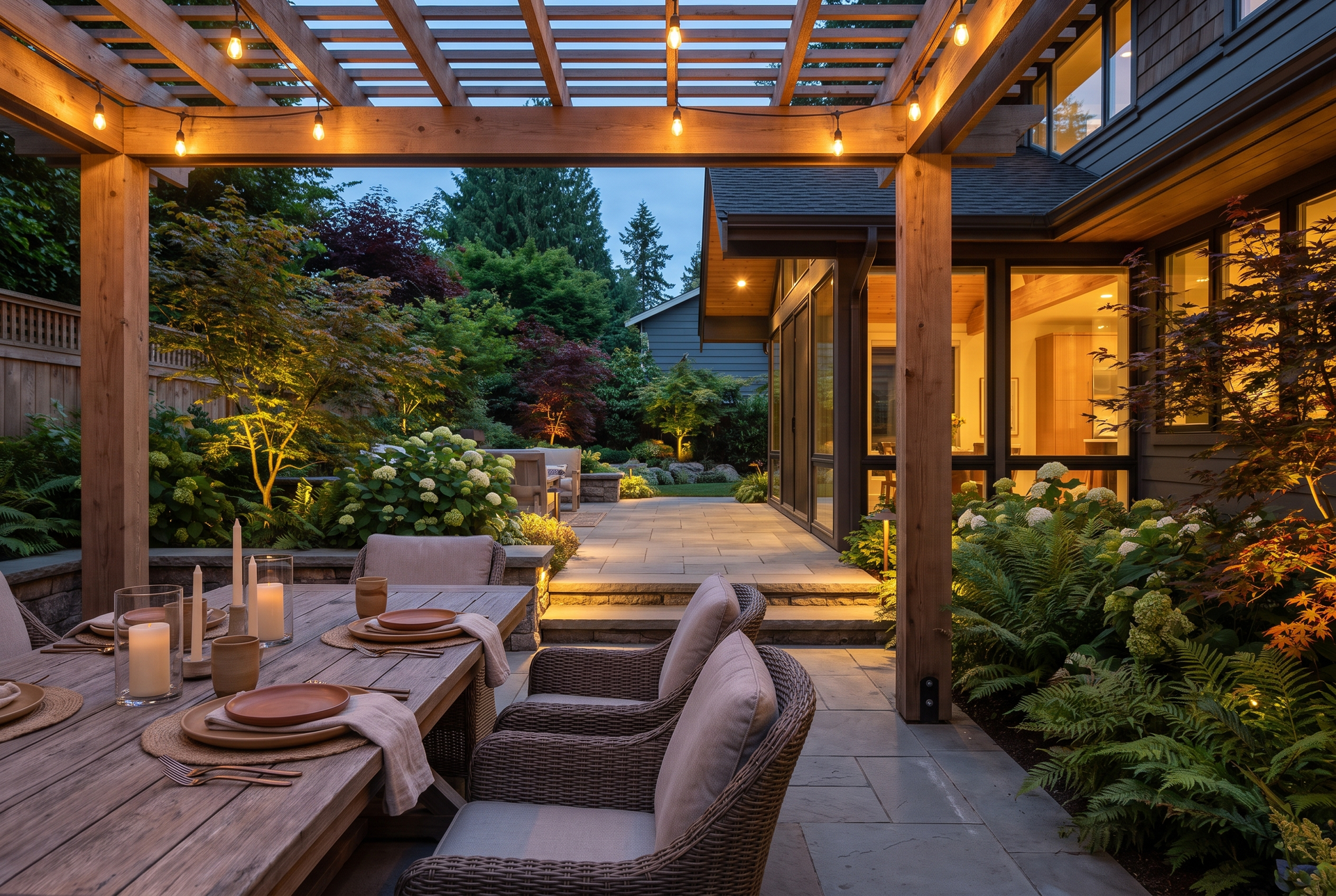
Using structural elements like low stone retaining walls, timber pergolas, decorative privacy hedges, or ornamental grass borders helps define distinct functional zones without building rigid barriers. Considering outdoor traffic patterns ensures that guests move comfortably between interior living rooms and exterior entertainment decks. Incorporating thoughtful landscape design organizes outdoor spaces logically, transforming underutilized open grass into purposeful, highly functional living areas.
Integrating Native Botanical Species and Flora
Selecting plant life for residential gardens requires balancing seasonal color preferences with long-term climate adaptability and maintenance demands. Incorporating native perennial flowers, indigenous shrubs, and regional shade trees offers significant advantages over exotic botanical choices. Native species have naturally evolved to withstand local weather fluctuations, regional soil conditions, and native insect populations without requiring excessive synthetic fertilizers or chemical pesticides.
Furthermore, native plant arrangements provide essential habitat and natural food sources for local pollinators, including butterflies, hummingbirds, and beneficial honeybees. Grouping plants with similar moisture and sunlight requirements simplifies routine garden care while encouraging vigorous growth. Utilizing native flora within strategic landscape design creates resilient, biodiverse ecosystems that burst with rich textures and dynamic colors throughout every season.
Balancing Hardscape Structures With Living Foliage
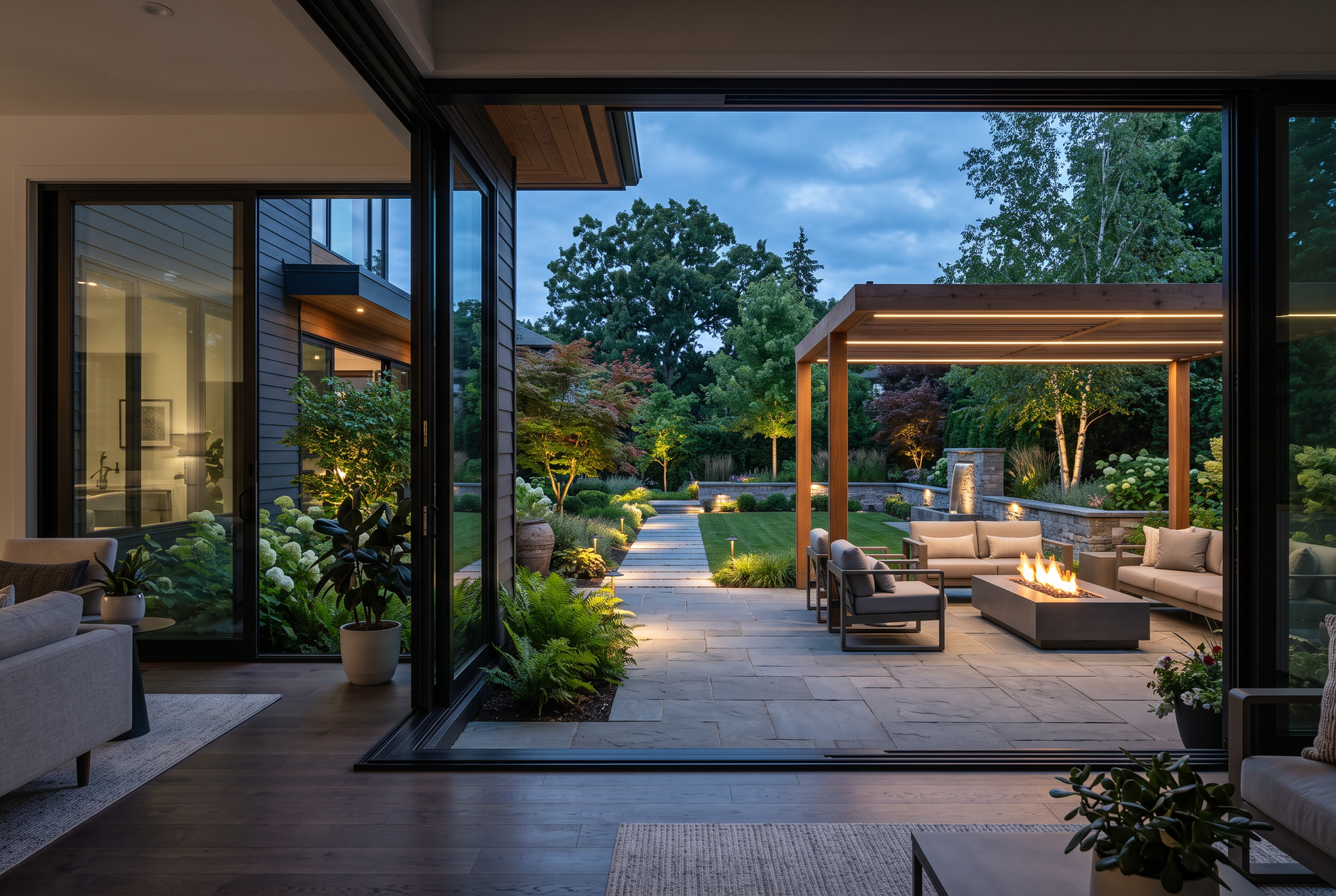
Achieving visual harmony across a property requires striking an intentional balance between rigid structural hardscape materials and soft living botanical foliage. Hardscape features—such as natural stone walkways, paver patios, retaining walls, fire pits, and timber arbors—provide necessary physical structure, spatial definition, and functional outdoor usability. However, overwhelming a yard with excessive concrete or stone can make living areas feel cold, stark, and uninviting.
Softening hard stone edges with trailing groundcovers, cascading vines, and lush floral borders creates a beautiful textural contrast that pleases the eye. Choosing complementary material colors that echo interior home finishes unifies indoor and outdoor design aesthetics seamlessly. Partnering hardscape elements with lush botanical plantings in professional landscape design creates warm, inviting environments that feel grounded in nature.
Incorporating Sustainable Water Management Systems
Managing moisture efficiently remains a paramount goal for eco-conscious homeowners seeking to minimize environmental impacts while reducing monthly utility expenditures. Overhead spray sprinklers frequently lose significant water volume to evaporation and wind drift, often overspraying onto paved driveways and stone walkways rather than reaching plant roots. Implementing modern, high-efficiency irrigation methods ensures that moisture reaches targeted soil zones effectively.
Installing low-volume drip irrigation tubing delivers deep moisture directly to plant root systems, suppressing weed germination while promoting robust deep-root growth. Furthermore, incorporating permeable paver pathways, decorative rain gardens, and bioswales allows rainwater to absorb naturally back into underground aquifers rather than washing topsoil into municipal storm drains. Prioritizing resource conservation within custom landscape design maintains lush, flourishing gardens while protecting local water resources.
Creating Multi-Seasonal Visual Interest and Depth
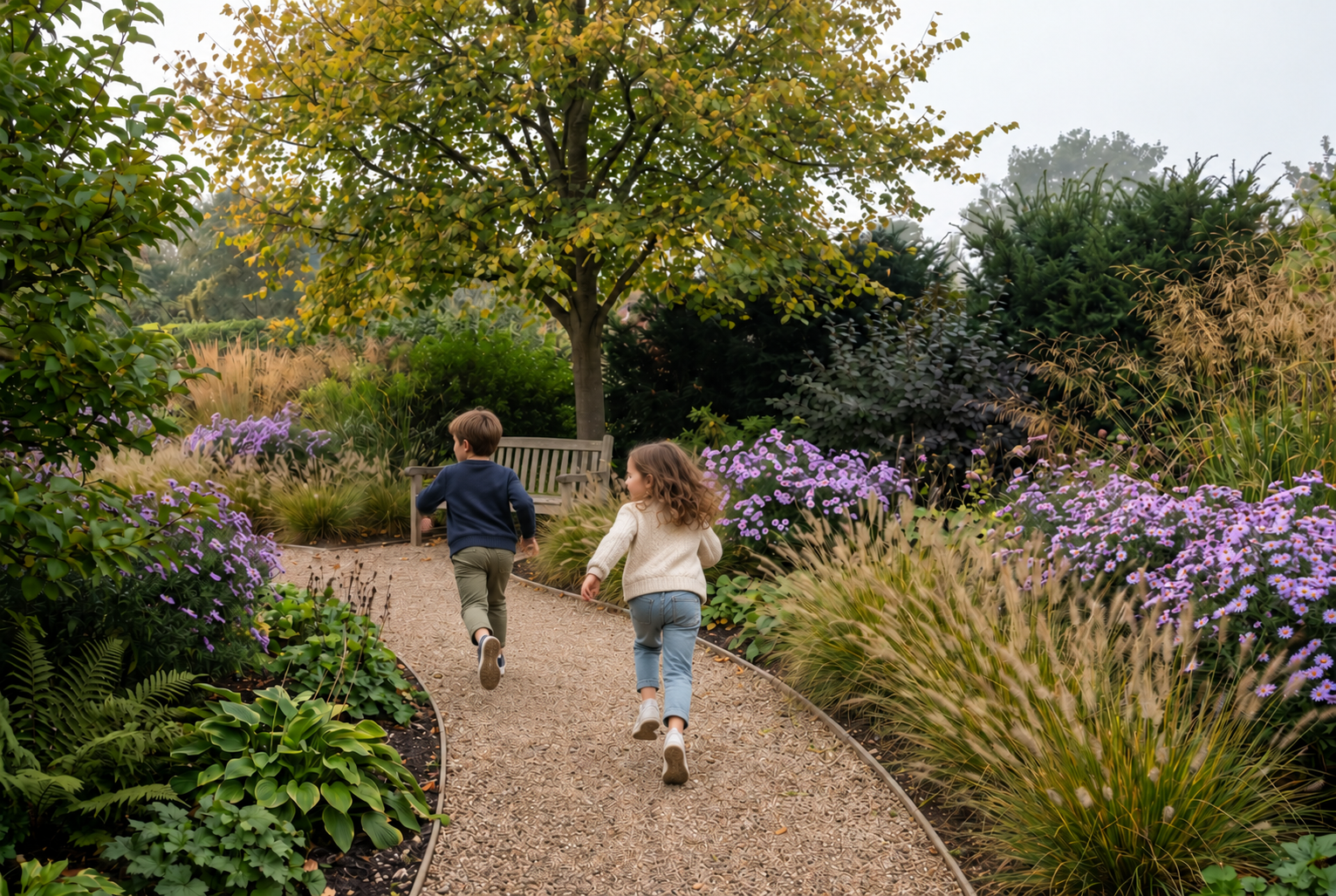
A truly exceptional garden design delivers captivating visual appeal throughout every month of the year, rather than peaking briefly during spring and summer months. Relying solely on short-blooming annual flowers leaves gardens looking barren and stark during cold winter seasons. Building multi-season interest requires layering evergreen shrubs, ornamental grasses, weeping tree forms, and plants with striking autumn foliage or colorful winter bark.
Varying plant heights, leaf textures, and canopy shapes creates rich visual depth that catches light dramatically throughout the day. Evergreen boxwoods, holly shrubs, and conifers maintain structural green frameworks during winter freezes, while early-blooming bulbs announce spring's arrival. Embracing year-round botanical diversity in holistic landscape design ensures that your living outdoor canvas remains vibrant, dynamic, and visually engaging through every seasonal change.
Elevating Outdoor Beauty Through Expert Craftsmanship
Crafting an extraordinary outdoor environment requires an artful balance of spatial planning, botanical knowledge, environmental stewardship, and precise structural execution. By thoroughly evaluating site conditions, establishing functional living zones, prioritizing native plants, balancing hardscapes, and managing water resources sustainably, homeowners can unlock the full potential of their residential properties. Investing in professional outdoor planning transforms ordinary yards into breathtaking, high-performance natural sanctuaries that elevate daily living and enhance long-term home value.
At Jenna Bayer Garden Design, we are deeply committed to transforming your outdoor spaces, elevating your property's natural beauty, and creating sustainable botanical sanctuaries through exceptional design artistry and reliable trade expertise. Our team of passionate garden designers, landscape architects, and horticultural specialists brings deep environmental knowledge, creative vision, and meticulous attention to detail to every residential project we execute across our community. We take immense pride in evaluating your unique property layout, assessing natural light patterns, and crafting custom garden master plans that reflect your personal lifestyle aspirations while respecting local ecosystems. Furthermore, our specialists prioritize clear, collaborative communication throughout the entire design process, guiding you from early conceptual sketches through final plant installation and long-term care direction. We carefully select resilient native flora, eco-friendly irrigation technologies, and timeless hardscape materials that withstand changing seasonal demands while enhancing property value. By tailoring every design element to match your aesthetic preferences and environmental goals, our crew ensures a seamless, inspiring experience that delivers lasting outdoor elegance and complete peace of mind. Contact us today to schedule your comprehensive design consultation and discover how our dedicated team can bring your dream garden to life.