October 1, 2026
By Jenna Bayer | October 1, 2026
A thoughtfully designed landscape is more than a collection of plants, pathways, and outdoor features. It is a living environment that can bring beauty, comfort, functionality, and a stronger connection to nature into everyday life. Successful landscape design considers how people want to experience their property while responding to the natural character of the site. A professional landscape design service can bring these priorities together by considering existing vegetation, soil, sunlight, drainage, plant selection, outdoor living areas, and long-term maintenance. When these elements are planned as parts of one cohesive environment, the landscape can feel natural, welcoming, and distinctly connected to both the property and the people who use it.
Understanding the Land and Its Character
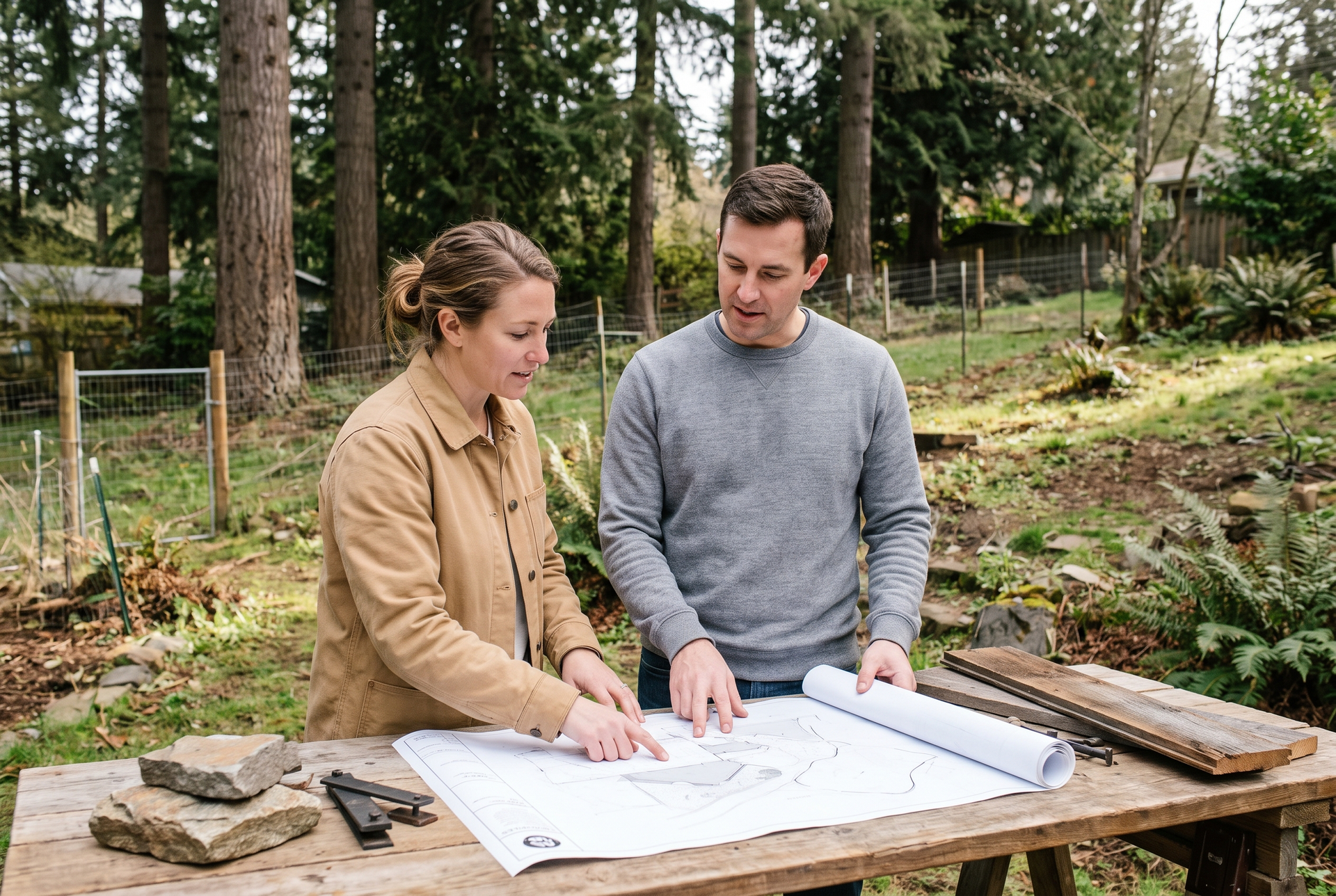
Every property has conditions that influence how its landscape can develop. Sunlight patterns, soil composition, drainage, topography, existing vegetation, and surrounding views can affect decisions about plants, pathways, gathering areas, and other features. Understanding these characteristics early in the planning process makes it possible to work with the land rather than developing a design that conflicts with existing conditions. Mature trees, established shrubs, natural slopes, and desirable views may become important parts of the finished landscape instead of obstacles that need to be removed.
A landscape design service can evaluate these site-specific characteristics before recommending changes. Sunny locations may provide appropriate conditions for flowering perennials and ornamental grasses, while shaded portions of a property may support woodland-style plantings or secluded garden spaces. Drainage patterns can influence where patios and planting beds are positioned, and existing topography may help determine the natural movement between different areas. Responding thoughtfully to the land can establish a foundation for a landscape that feels connected to its surroundings.
Creating Outdoor Spaces for Everyday Living
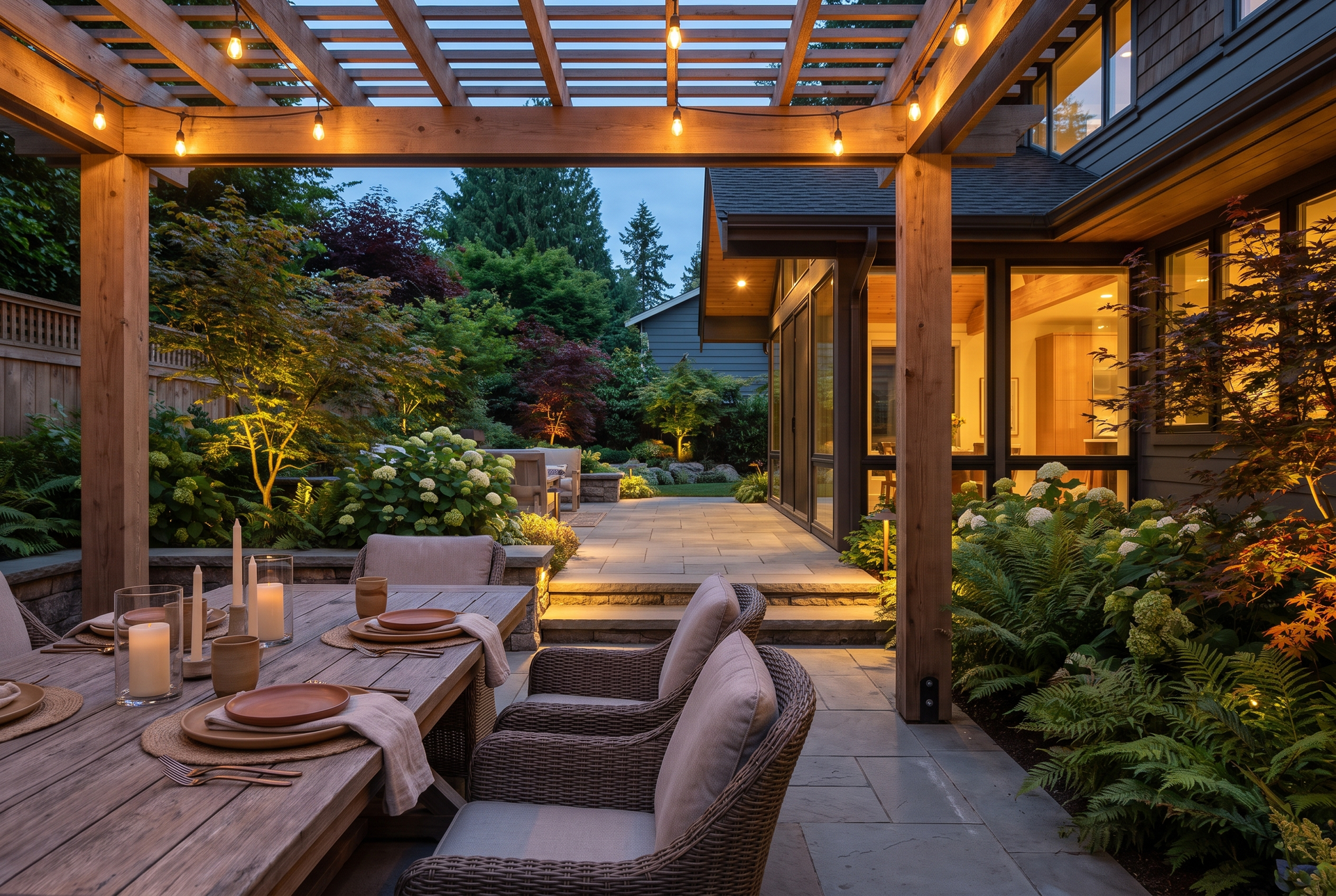
Beautiful planting areas are only one part of a successful outdoor environment. Landscapes can also support entertaining, dining, relaxation, gardening, play, and other activities that bring people outdoors. Determining how homeowners expect to use their property helps establish priorities during the design process. One household may want an intimate dining terrace, while another may prefer an open gathering area, a quiet garden retreat, or a welcoming front garden that creates an inviting transition to the home.
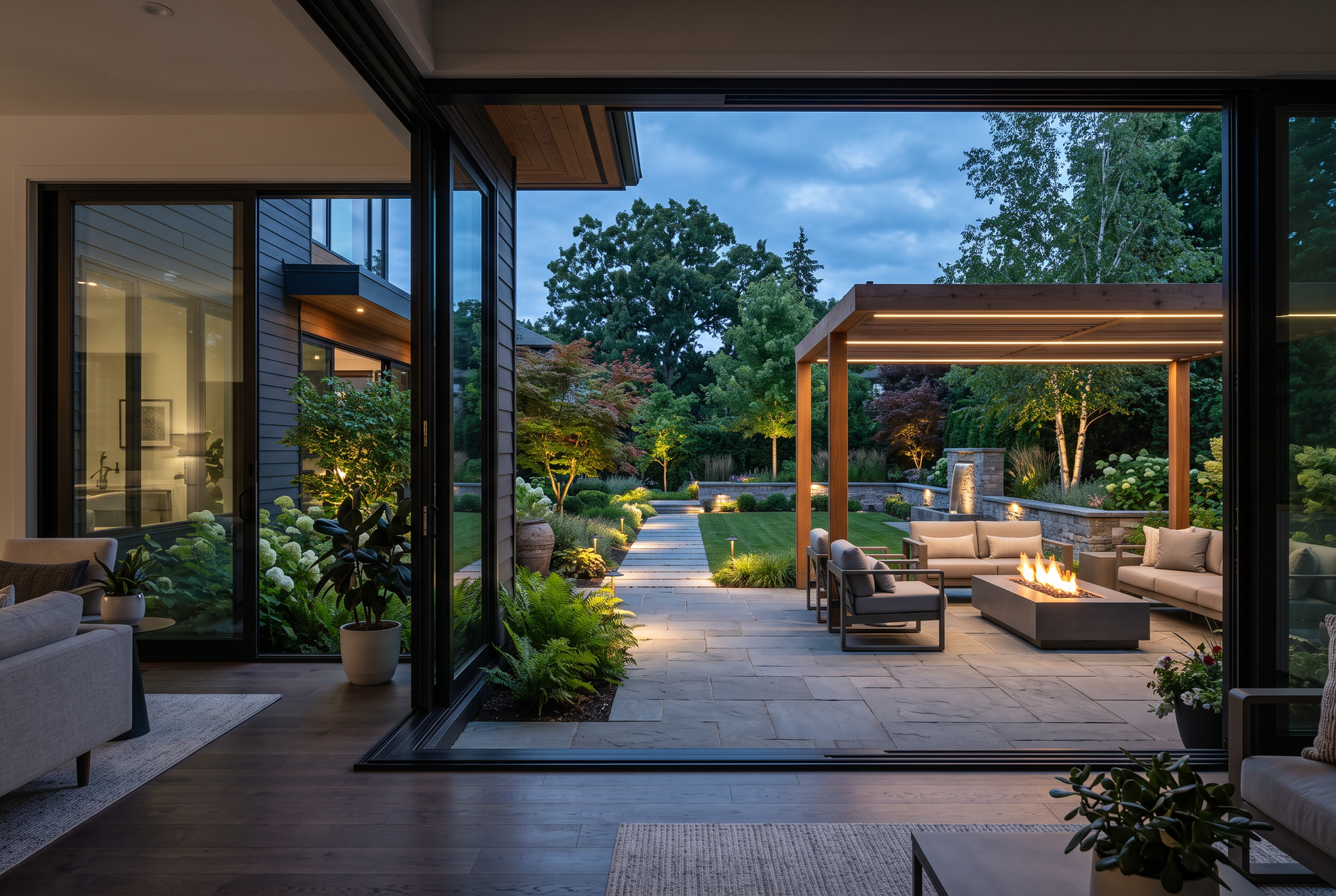
Movement between these spaces is equally important. Pathways can guide people through planting areas and connect entrances, patios, gardens, and other destinations. Seating areas can create opportunities to pause and enjoy particular views, while strategically positioned plants can provide privacy or define individual outdoor rooms. A landscape design service can organize these elements so that different areas serve clear purposes while remaining visually and physically connected. The result can be an outdoor environment that becomes an active extension of the home rather than simply something viewed through a window.
Developing a Thoughtful Planting Design
Plants contribute structure, color, fragrance, movement, texture, and seasonal character to a garden. Developing an effective planting plan involves more than selecting individual flowers, trees, or shrubs based on their appearance. Designers consider how plants relate to one another, how large they may become, when they bloom, and how their characteristics change throughout the year. Layering trees, shrubs, ornamental grasses, flowering perennials, evergreens, and groundcovers can create depth while helping different parts of the landscape feel connected.
Plant selection should also reflect the environmental conditions found throughout the property. Some areas may receive intense sunlight throughout the day, while others remain shaded by buildings or mature trees. Moisture levels, soil composition, available growing space, and local climate conditions also influence which plants are appropriate. A landscape design service can account for these variables while developing a plant palette intended to remain practical as the garden matures. Choosing plants suited to their locations can encourage healthy development and reduce the need for unnecessary corrective measures later.
Incorporating Native and Regionally Adapted Plants
Native and regionally adapted plants can contribute to landscapes that reflect the environmental character of their surroundings. Because these plants are suited to regional growing conditions, they may require fewer resources once properly established. They can also provide food, shelter, and habitat for pollinators, birds, beneficial insects, and other wildlife. Incorporating these species can therefore support ecological goals while adding distinctive forms, textures, and seasonal changes to the garden.
Native plants do not need to be used exclusively. They can be combined with carefully selected ornamental species to create varied planting compositions that balance ecological considerations with the homeowner's aesthetic preferences. Trees can provide structure and shade, flowering plants can introduce changing colors, grasses can add movement, and groundcovers can connect different planting areas. Thoughtful combinations allow a landscape to feel refined while remaining responsive to regional conditions.
Planning for Beauty Across the Seasons
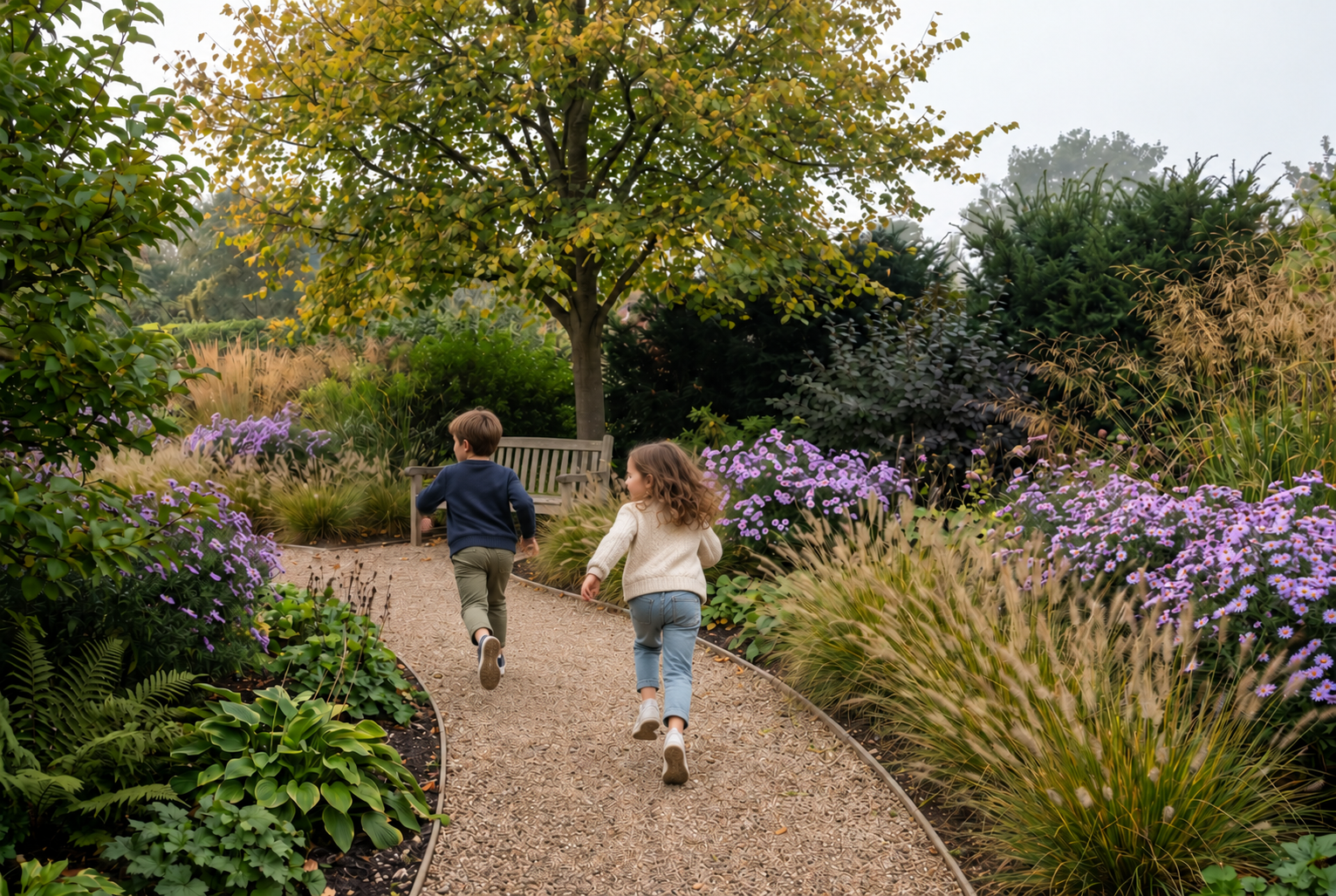
A garden changes continually, making seasonal planning an important part of landscape design. Spring bulbs and flowering shrubs may introduce early color, while summer perennials and foliage create fuller displays during warmer months. Autumn can bring changing leaves, ornamental grasses, berries, and late-season flowers. During winter, evergreens, tree forms, seed heads, bark, and other structural features can continue to provide visual interest even after many flowering plants become dormant.
Creating this progression requires considering when plants perform their most noticeable roles. If most species flower during the same brief period, the landscape may lack interest during the remainder of the year. A landscape design service can coordinate plants with different seasonal characteristics so that new features emerge as conditions change. This approach allows the garden to provide evolving experiences instead of depending on a single season for its visual identity.
Balancing Hardscape and Planting Areas
Constructed features help establish structure and make outdoor spaces easier to navigate and use. Patios, pathways, steps, retaining walls, fences, and other hardscape elements can define gathering spaces, connect different areas, address elevation changes, and support everyday activities. Their placement, scale, and materials should relate to the home's architecture and the broader landscape rather than appearing as separate additions.
Plantings can soften these constructed features and create natural transitions between functional spaces and garden areas. Groundcovers may border pathways, shrubs can frame seating areas, and trees can provide shade around gathering spaces. Materials can also influence the overall character of the landscape, with stone, wood, gravel, and paving materials contributing different textures and visual effects. Maintaining an appropriate relationship between hardscape and softscape helps create a balanced environment where practical features support rather than overpower the garden.
Managing Water and Supporting Sustainability
Water management plays an important role in both plant health and long-term landscape performance. Existing drainage patterns should be considered before planting beds, patios, pathways, and other improvements are positioned. Poor drainage can contribute to erosion, standing water, plant stress, and difficult-to-use areas. Depending on site conditions, possible approaches may include grading adjustments, permeable surfaces, rain gardens, strategic planting, or drainage improvements that help direct water appropriately.
Efficient irrigation can complement these measures. Drip systems, rain sensors, smart controllers, mulching, and grouping plants according to similar moisture requirements can help provide water where it is needed. A landscape design service can incorporate these considerations during the planning stage rather than treating water management as a separate concern after installation. Sustainable planning can also involve regionally appropriate plants, durable materials, biodiversity, and maintenance practices designed to support the landscape over the long term.
A successful landscape design service brings site analysis, planting design, functionality, sustainability, water management, and long-term planning together within one cohesive vision. Careful consideration of these elements can create an outdoor environment that feels grounded in its setting and remains enjoyable as it evolves. Contact our team at Jenna Bayer Garden Design to learn more about creating a garden designed for beauty, connection, and lasting enjoyment.