September 25, 2026
By Jenna Bayer | September 25, 2026
A home's first impression begins long before anyone steps through the front door. The moment guests, neighbors, or prospective buyers arrive, they begin forming opinions based on what they see from the street. According to Home Guide, landscaping can increase a home's value by 10% to 30% based on the type of improvements and the quality. A thoughtfully designed landscape creates a sense of welcome, frames the architecture, and sets expectations for the experience that awaits inside.
While many homeowners focus on interior renovations, the outdoor spaces surrounding a home often offer some of the most dramatic opportunities for transformation. A carefully curated front yard can highlight architectural details, create visual harmony, solve functional challenges, and increase property value all at the same time.
The difference between a yard that simply exists and one that truly enhances a home often comes down to professional planning. A landscape designer brings together creativity, horticultural knowledge, and technical expertise to create outdoor spaces that feel timeless, intentional, and uniquely connected to the property.
Creating a Cohesive Vision for the Entire Property
One of the most common challenges homeowners face is knowing where to begin. They may have a collection of ideas, favorite plants, or inspiration photos, but turning those individual elements into a cohesive design can feel overwhelming.
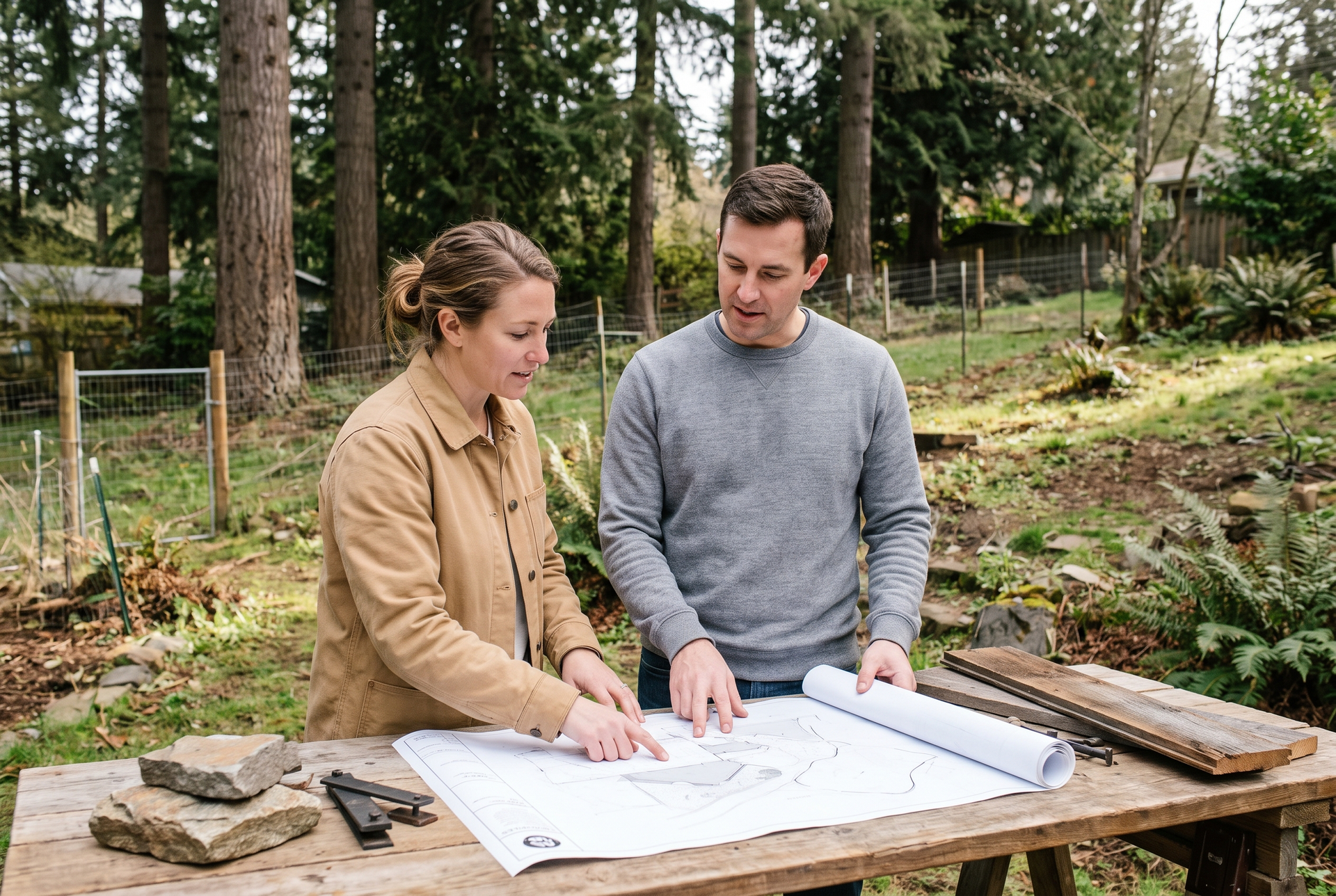
A landscape designer starts by evaluating the property as a whole. Rather than focusing on individual garden beds or isolated features, they consider how every element interacts with the architecture, surrounding environment, and daily lifestyle of the homeowner.
Visual balance plays a significant role in creating curb appeal. When plantings, hardscape materials, and architectural features work together, the entire property feels polished and inviting. When those elements compete for attention, the result can feel cluttered or disconnected.
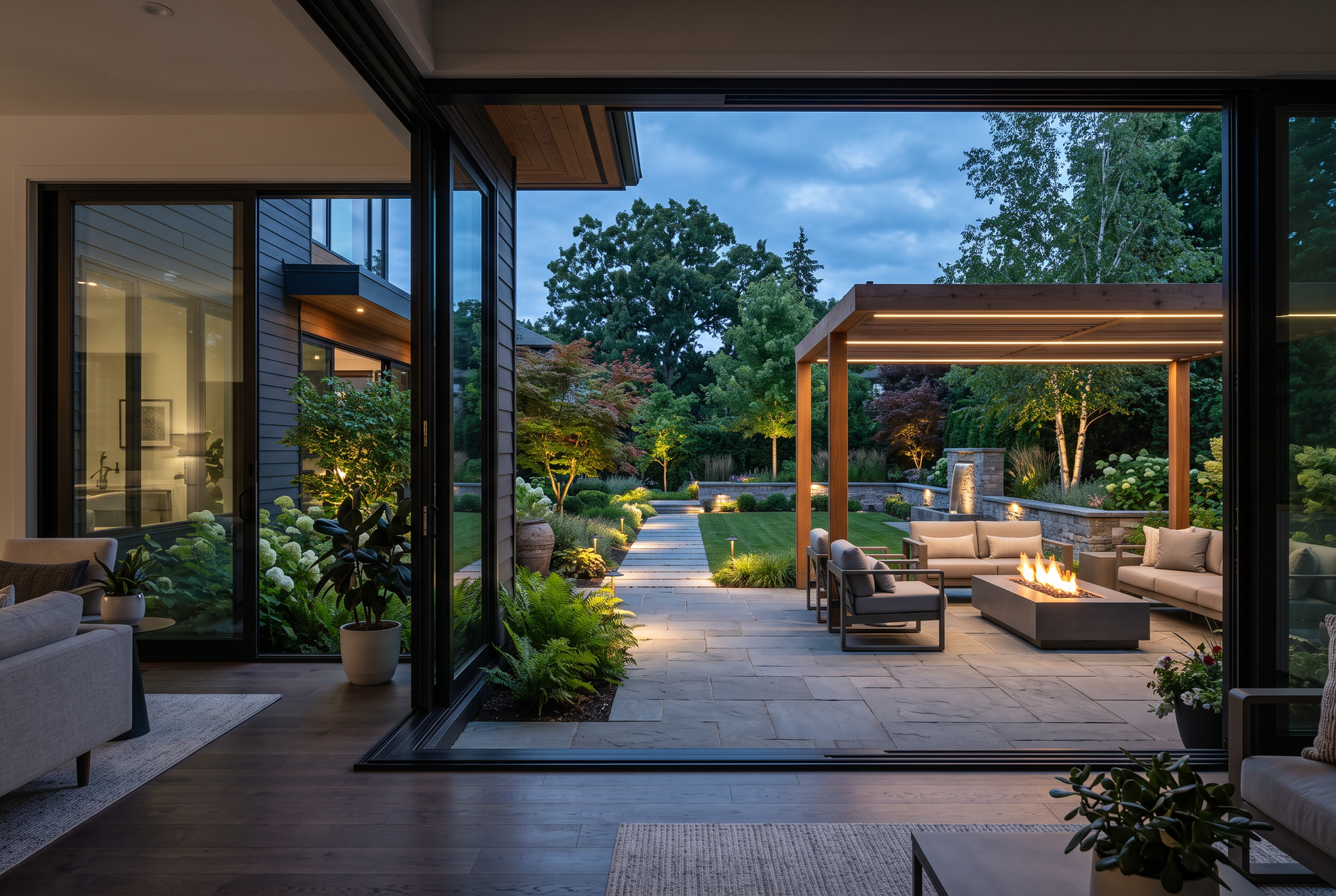
Every pathway, tree, retaining wall, and planting bed should serve a purpose. Professional landscape design helps establish a sense of order while still allowing the garden to feel natural and welcoming. The goal is not to fill every available space but to create intentional moments that guide the eye and elevate the home's strongest features.
Scale and proportion are equally important. A mature shade tree that looks beautiful in a large estate setting may overwhelm a smaller property. Conversely, undersized plantings can disappear against a substantial home. By carefully selecting plants and design features that complement the size and style of the residence, a landscape designer creates a more harmonious overall appearance.
Strategic focal points also help define the experience. Whether it is a beautifully framed entryway, a specimen tree, or an elegant stone pathway leading to the front door, these features create visual interest and encourage visitors to engage with the space.
Using Color and Texture to Create Year-Round Interest
One of the most transformative aspects of landscape design is the thoughtful use of color, texture, and seasonal variation.
Many homeowners make the mistake of selecting plants based solely on appearance at the garden center. While a plant may be covered in blooms when purchased, that brief moment of beauty does not guarantee year-round interest.
Professional landscape designers think in seasons. They carefully layer flowering plants, shrubs, evergreens, ornamental grasses, and trees to ensure the landscape remains attractive throughout the year. Spring bulbs give way to summer blooms, followed by fall color and winter structure.
Color selection influences how a space feels. Warm tones such as reds, oranges, and golds tend to create energy and intimacy. Cooler hues like blues, purples, and silvery greens evoke a sense of calm and spaciousness. When used intentionally, color can shape the mood of an outdoor environment and enhance the home's architectural style.
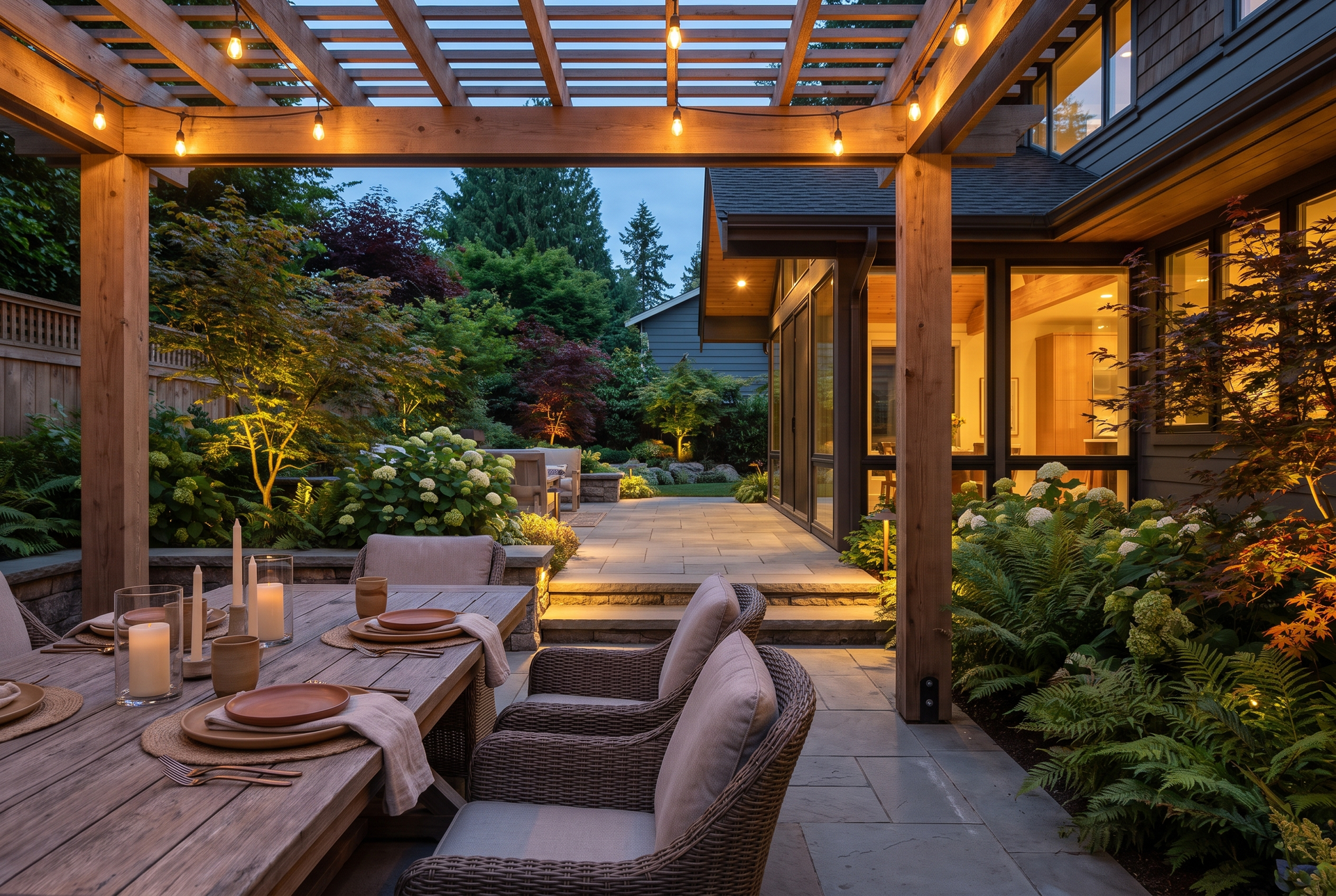
Texture adds another level of sophistication. The fine movement of ornamental grasses contrasts beautifully with the broad leaves of hydrangeas. Smooth stone pathways paired with textured bark, natural boulders, and layered plantings create visual depth and interest.
The most memorable landscapes engage the senses through these subtle combinations. Rather than relying on a single dramatic feature, they create an experience that unfolds gradually and feels inviting from every angle.
Choosing the Right Plants for Long-Term Success
Beautiful landscapes are not just designed to look good on installation day. They are created to thrive for years to come.
Selecting the right plants involves far more than personal preference. Climate conditions, sun exposure, soil quality, drainage patterns, and maintenance expectations all influence whether a garden will flourish.
Native and regionally adapted plants often play an important role in successful landscape design. Because these species are naturally suited to local environmental conditions, they typically require less water, fewer chemical inputs, and reduced maintenance. They also provide valuable habitat for pollinators and local wildlife.
Understanding soil composition is another essential component of the design process. Soil determines how water and nutrients move through the landscape, directly impacting plant health. A professional landscape designer evaluates soil conditions and recommends amendments when necessary to create the strongest possible foundation for new plantings.
Water conservation has become increasingly important for homeowners across many regions. Drought-tolerant plant palettes can provide exceptional beauty while significantly reducing irrigation needs. Thoughtfully combining ornamental grasses, flowering perennials, evergreen shrubs, and natural stone creates landscapes that are both resilient and visually stunning.
Proper plant placement may be one of the most overlooked aspects of landscape success. Every property contains its own microclimates. Some areas receive intense afternoon sun, while others remain shaded for much of the day. Wind exposure, reflected heat, and drainage patterns can vary dramatically even within a relatively small yard.
Placing the right plant in the right location improves long-term performance, reduces maintenance, and creates healthier, more vibrant landscapes.
Solving Drainage Challenges Before They Become Bigger Problems
While beauty is often the most visible result of landscape design, functionality is equally important.
Drainage issues can quietly damage lawns, gardens, hardscape installations, and even home foundations if left unresolved. Standing water, erosion, and improper grading not only impact appearance but can also lead to costly repairs over time.
A landscape designer evaluates how water moves throughout the property and develops solutions that work with the natural contours of the land.
In some cases, grading adjustments may be necessary to redirect water away from the home. Creating subtle slopes and drainage pathways allows stormwater to flow properly while maintaining an attractive appearance.
French drains can provide effective solutions for persistently wet areas. Hidden beneath the surface, these systems collect and redirect excess water away from vulnerable areas of the property.
Rain gardens offer another beautiful and environmentally responsible approach. Designed to capture runoff from roofs, driveways, and patios, these planted areas help slow water movement while supporting pollinators and improving soil health. Rather than treating excess water as a problem, rain gardens transform it into a valuable design feature.
When drainage is addressed as part of a comprehensive landscape plan, homeowners benefit from healthier plants, reduced maintenance concerns, and greater long-term protection for their investment.
More Than Landscaping, It's Creating a Sense of Home
The most successful landscapes do more than improve curb appeal. They create a feeling.
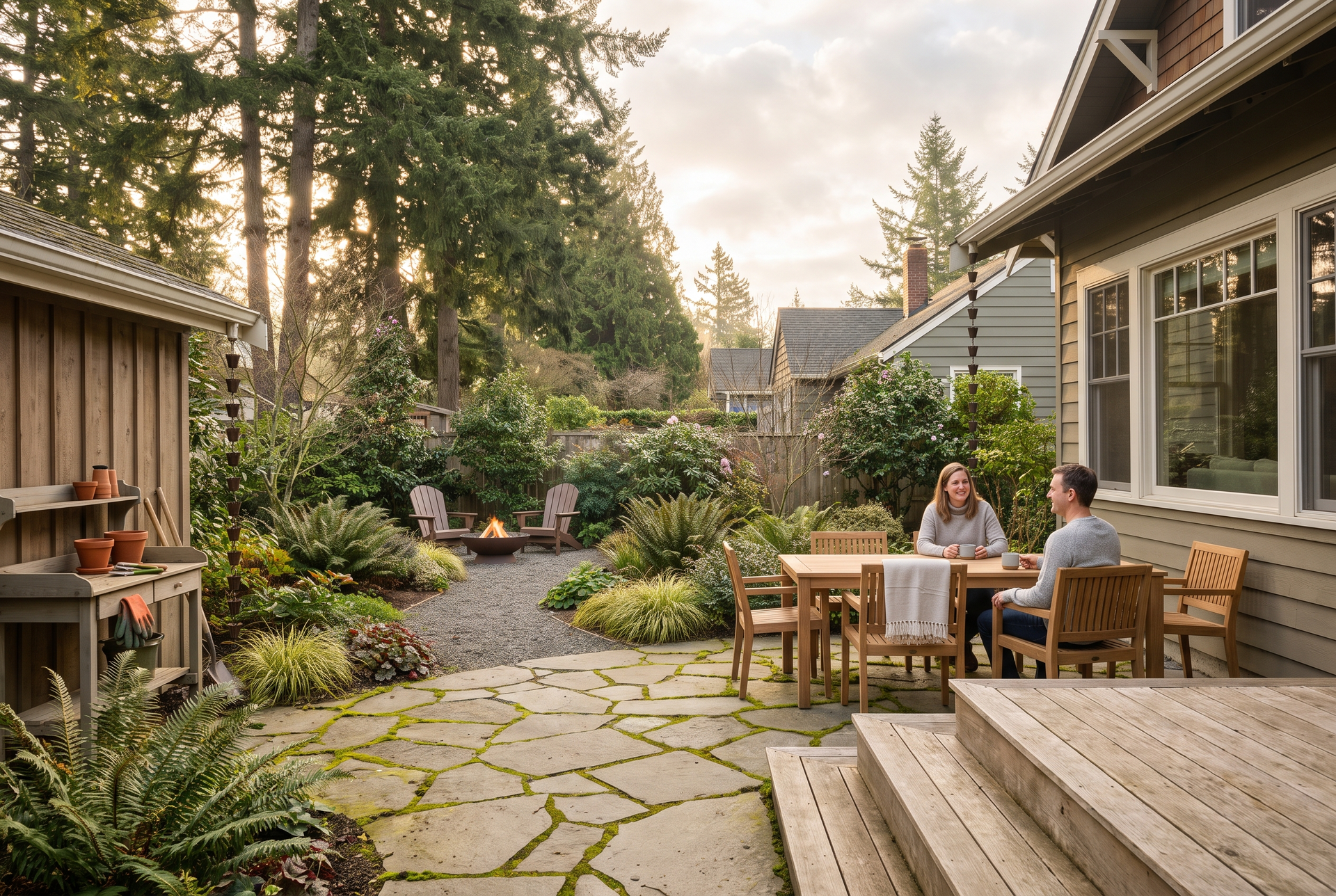
They invite guests to linger a little longer. They make coming home feel special. They establish a deeper connection between the architecture, the environment, and the people who live there.
Achieving that level of transformation requires more than weekend projects or impulse purchases from the garden center. It takes thoughtful planning, horticultural expertise, and a clear understanding of how beauty and functionality work together.
At Jenna Bayer Garden Design, we believe every property has the potential to become something truly extraordinary. Through intentional design, carefully selected plantings, and solutions tailored to your unique space, we help homeowners create landscapes that feel welcoming, timeless, and distinctly their own.
If you're ready to elevate your home's curb appeal and create an outdoor space that makes a lasting impression, we'd love to help bring your vision to life.