February 4, 2026
By Jenna Bayer | February 4, 2026
Professional landscape design is often misunderstood as simply choosing plants and placing them around a yard. In reality, it's a comprehensive planning process that blends aesthetics, functionality, engineering, and environmental awareness. A well-designed landscape does more than look attractive; it enhances how outdoor spaces are used, improves property value, and supports long-term sustainability. Understanding what professional landscape designers really do helps homeowners see why this is a worthy investment rather than an expense.
Initial Consultation and Site Analysis
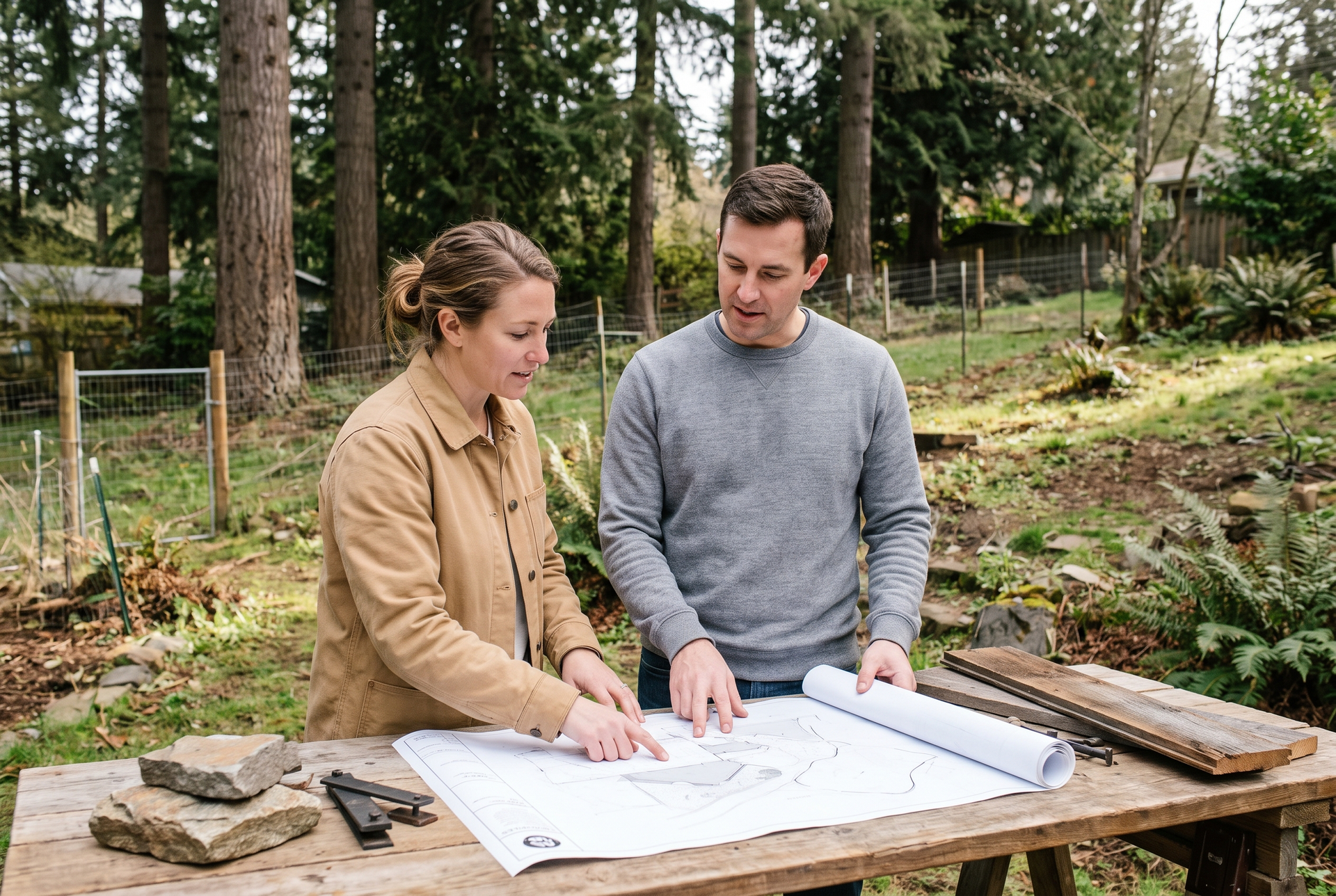
According to the National Association of Landscape Professionals, there are 661,000 landscaping service businesses in the United States, but not every business handles a project right from the beginning. Every professional landscape design project begins with a detailed consultation and site evaluation. In this phase, professionals should understand the client’s goals, lifestyle, budget, and long-term expectations for the outdoor space. Designers ask questions about how the property is used, who will use it, and what challenges currently exist. For example, a family with children may prioritize open lawn areas and safety, while another homeowner may want low-maintenance plantings or outdoor entertainment spaces.
Site analysis goes far beyond visual inspection. Experienced landscape designers evaluate soil conditions, drainage patterns, sun exposure, existing vegetation, and topography. They identify problem areas such as erosion, poor water runoff, or compacted soil that could affect plant health and structural elements. This information guides every design decision, ensuring that the final plan works with the natural conditions of the property rather than against them. Utilities, property lines, and local regulations are also reviewed during this stage. Understanding setbacks, easements, and zoning requirements helps avoid costly revisions later. By the end of the consultation and site analysis phase, the designer has a clear foundation for creating a landscape plan that is both visually appealing and practical.
Design Planning, Layout, and Functional Zoning
Once the site is fully understood, the design phase begins. This is where ideas are transformed into a cohesive plan that balances beauty and usability. Professional landscape designers create layouts that define how different areas of the yard will function. These may include zones for relaxation, entertainment, play, gardening, or circulation. Thoughtful zoning ensures that outdoor spaces feel intentional and organized rather than cluttered or underutilized.
Circulation is a key consideration during this stage. Walkways, patios, and transitions between spaces are planned to create natural movement throughout the landscape. Designers consider how people will enter, exit, and navigate the space, ensuring comfort and accessibility. Proper spacing, scale, and proportion are carefully evaluated so that elements complement the home’s architecture and surrounding environment. Professional plans often include detailed drawings. These tools help clients visualize the final result and understand how different components work together. This level of planning reduces guesswork, aligns expectations, and minimizes costly changes during installation.
Plant Selection and Horticultural Expertise
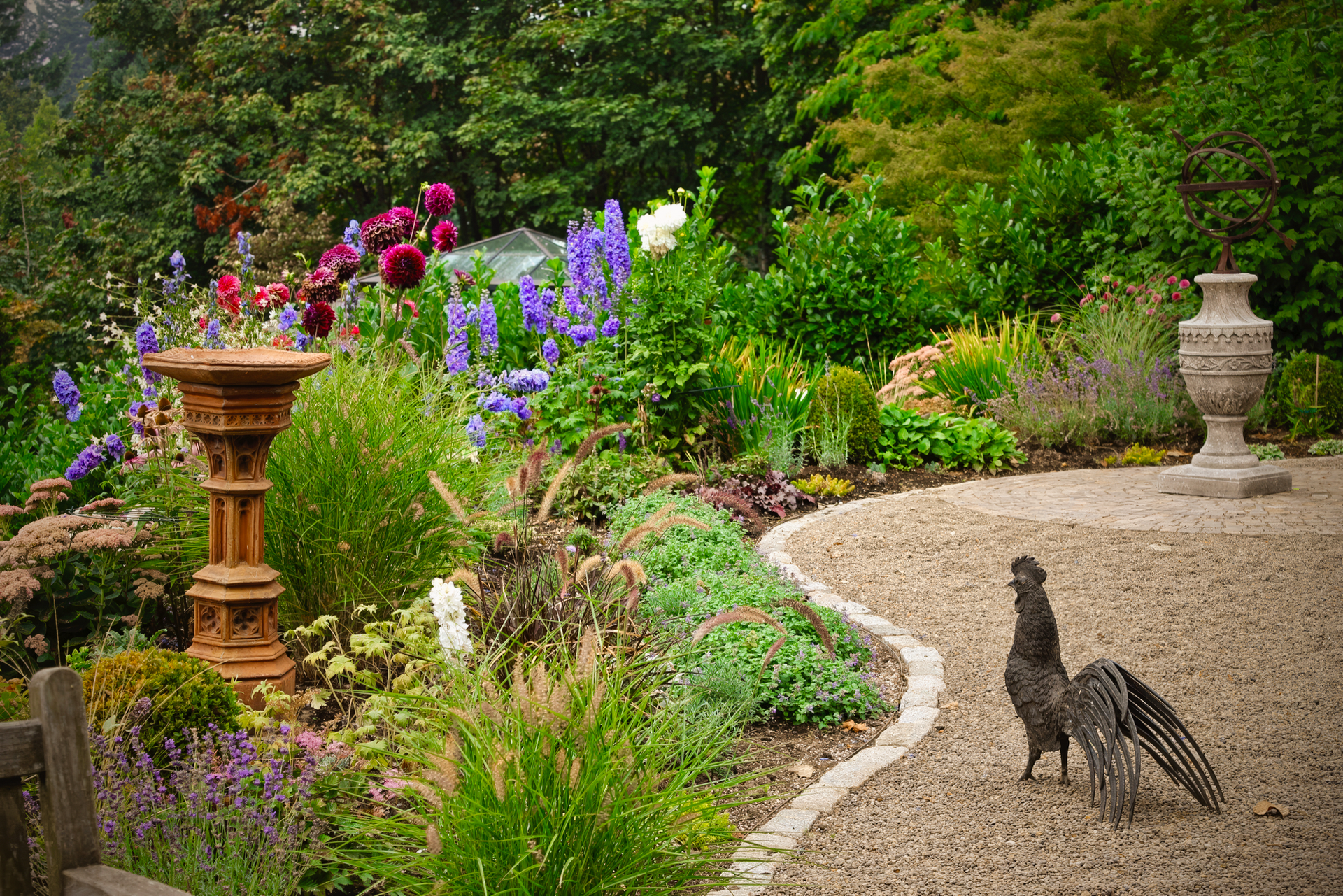
Plant selection is one of the most visible aspects of landscape design, but it is also one of the most technical. Professional designers choose plants based on climate, soil type, sun exposure, and maintenance requirements. The goal is to create a landscape that thrives year after year, not one that looks good only in the first season.
Landscape designers consider how plants will grow and change over time. Mature size, root systems, seasonal color, and bloom cycles all influence placement decisions. This foresight prevents overcrowding, reduces maintenance, and ensures long-term visual balance. Native and climate-adapted plants are often prioritized because they require less water and are more resilient to local conditions. Beyond individual plant choices, professionals design plant groupings that create depth, texture, and year-round interest. Trees, shrubs, and perennials are layered strategically to provide structure, privacy, and visual flow. This thoughtful approach results in landscapes that feel natural, cohesive, and sustainable.
Hardscaping and Structural Elements
Professional landscape design includes much more than greenery. Hardscape elements such as patios, walkways, retaining walls, steps, and outdoor living structures play a critical role in how a space functions. These features provide structure, define areas, and support usability in all seasons.
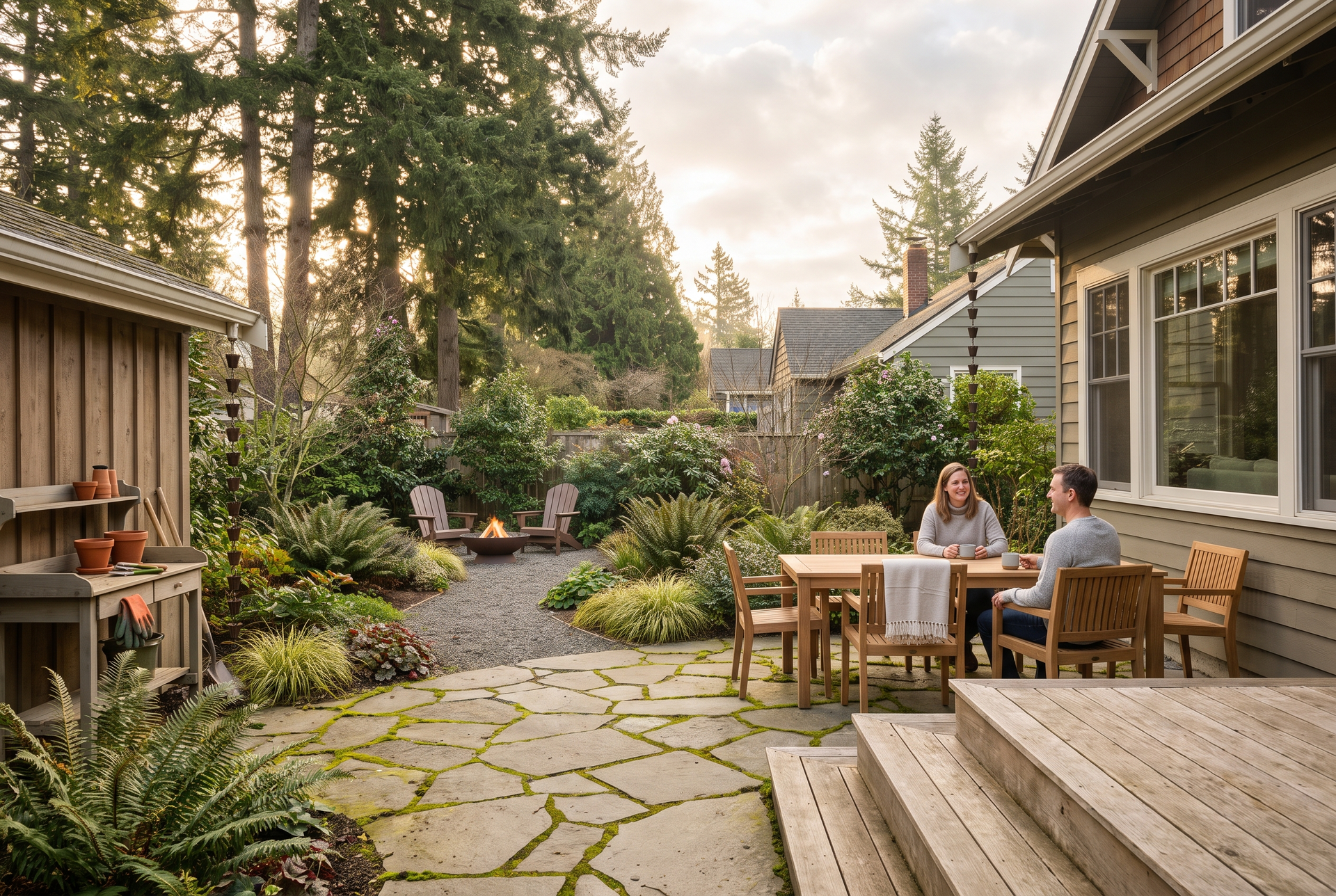
Designers carefully select materials that complement the home’s architecture and withstand local weather conditions. Proper base preparation, grading, and drainage are essential to ensure durability and safety. A professionally designed hardscape not only enhances appearance but also prevents issues such as shifting, cracking, or water pooling. Structural features like pergolas, fire pits, seating walls, and outdoor kitchens are also considered during the design process. These elements are integrated into the overall plan to ensure balance and cohesion. When done correctly, hardscaping and landscaping work together seamlessly rather than competing for attention.
Drainage, Irrigation, and Environmental Considerations
One of the most important yet least visible aspects of professional landscape design is environmental management. Proper drainage is essential to protect both the landscape and the home’s foundation. Landscape designers assess how water moves across the property and incorporate solutions such as grading adjustments, permeable surfaces, and drainage systems.
Irrigation planning is another key component. Professional designs often include efficient irrigation systems tailored to plant needs and site conditions. This may involve zoning plants with similar water requirements or incorporating smart irrigation technology to reduce waste. Efficient water management supports plant health while lowering long-term maintenance costs. Sustainability is increasingly central to professional landscape design. Designers consider erosion control, soil health, and water conservation strategies to create landscapes that are both beautiful and environmentally responsible. These considerations ensure the landscape remains functional and resilient over time.
Lighting Design and Outdoor Atmosphere
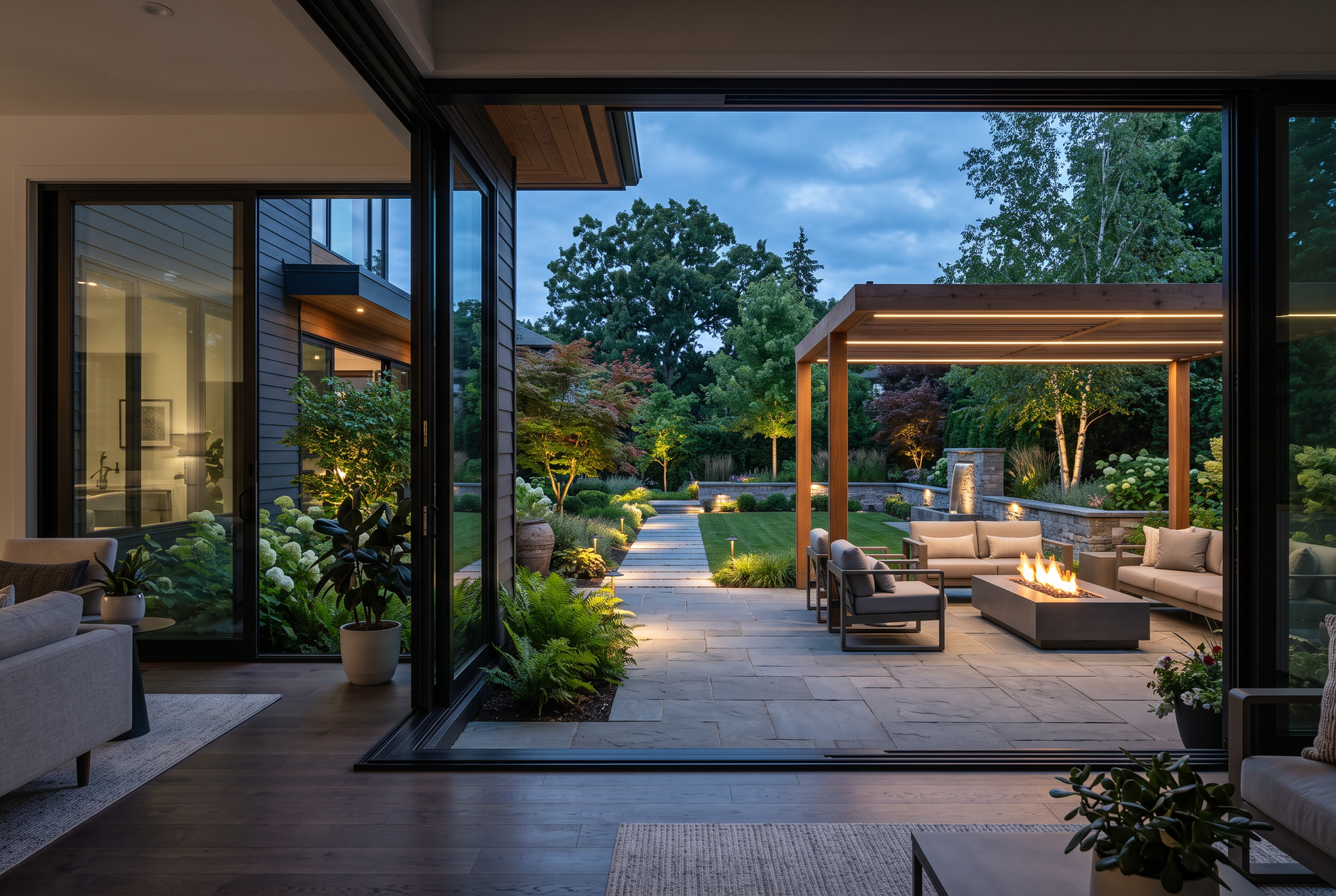
Landscape lighting is often included as part of a comprehensive design plan. Thoughtful lighting extends the usability of outdoor spaces into the evening while enhancing safety and security. Landscape designers use lighting to highlight architectural features, pathways, and focal points without overwhelming the space.
Professional lighting design balances form and function. Fixtures are placed to provide adequate illumination while minimizing glare and light pollution. Different lighting techniques are combined to create depth and ambiance. Well-designed outdoor lighting transforms a landscape at night, adding warmth and character while improving visibility. It ensures that the outdoor environment remains inviting and functional long after the sun sets.
Project Coordination and Long-Term Planning
Professional landscape design also includes coordination and long-term planning. Landscape designers often work closely with contractors, architects, and other professionals to ensure the design is executed correctly. Clear plans and specifications help streamline installation and reduce miscommunication.
Phasing is another important aspect of professional design. For larger projects or limited budgets, designers can create plans that allow the landscape to be installed in stages. This approach ensures that each phase aligns with the overall vision, preventing piecemeal additions that feel disconnected. Long-term maintenance is also considered during the design process. Professionals aim to create landscapes that match the client’s desired level of upkeep. By selecting appropriate materials and plantings, designers help ensure the landscape remains attractive and manageable for years to come.
Expert landscape design is a comprehensive process that combines creativity, technical knowledge, and strategic planning. It includes site analysis, functional layout, plant expertise, hardscaping, environmental management, lighting, and long-term coordination. Each element plays a role in creating an outdoor space that's not only beautiful but also functional, sustainable, and valuable. When done correctly, professional landscape design enhances how a property is experienced and enjoyed. Our landscape designers at Jenna Bayer Garden Design, Inc serve the California Bay Area and the Greater Portland Metro Area with expert services. Contact us today to get started!