Entertaining Outdoors: Layouts That Actually Work for Real Families
Thoughtful garden layouts that balance beauty, flow, and everyday family life
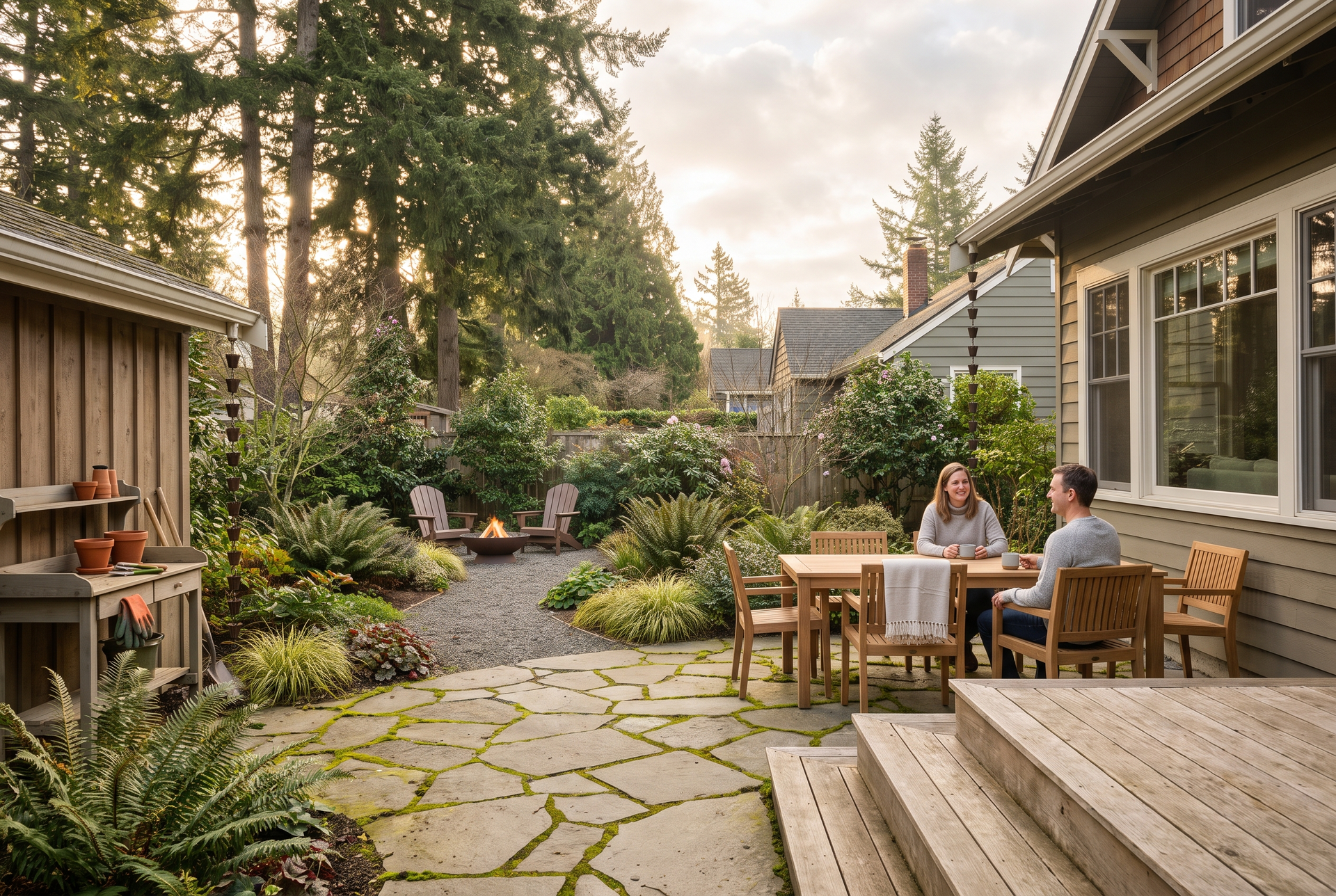
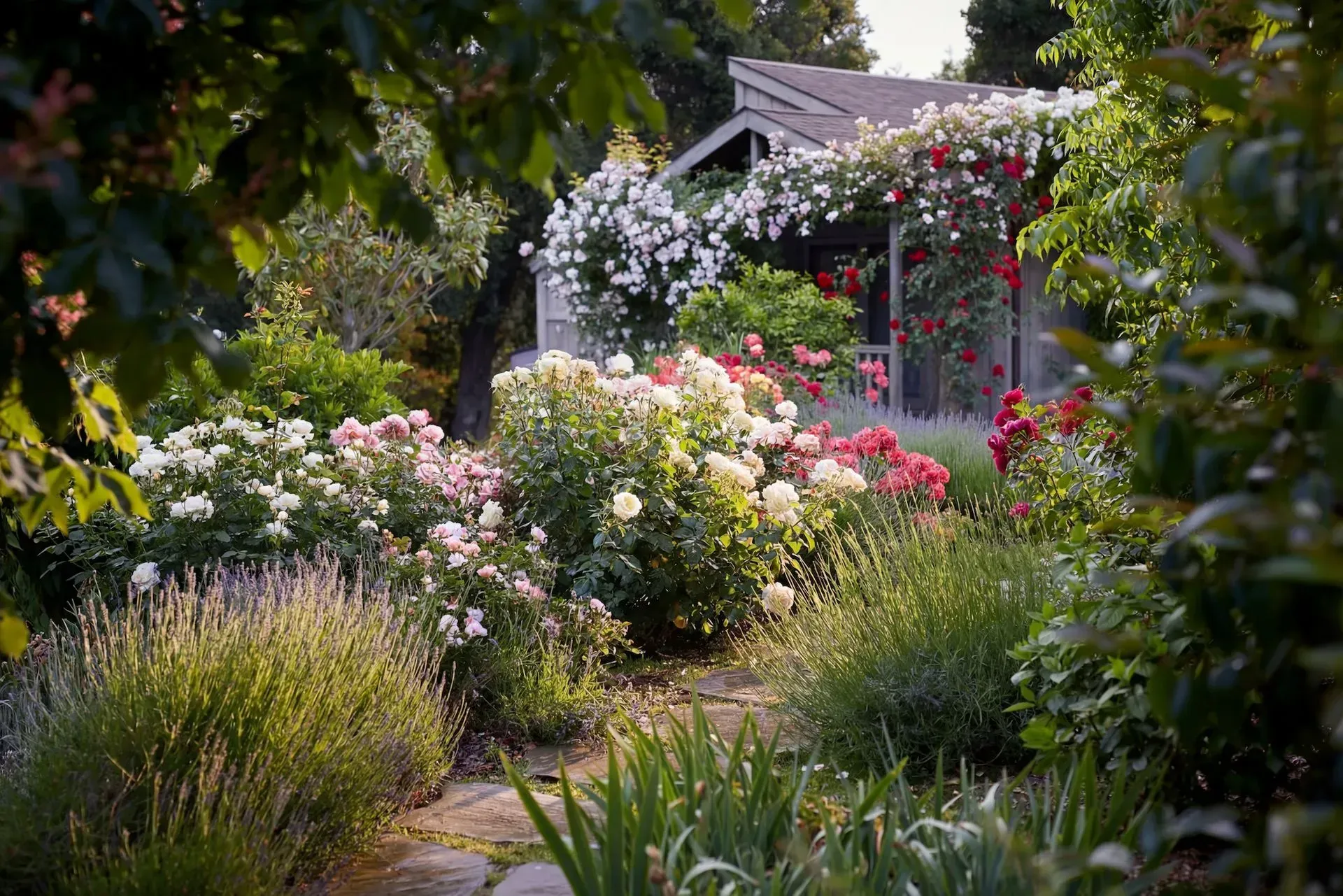
In Northern California and Portland, Oregon, outdoor spaces are less about perfection and more about presence. Gardens here are lived in and shaped by long dinners that stretch into evening, children weaving through planting beds, and furniture that invites you to stay just a little longer.
The most successful outdoor layouts don’t announce themselves. They feel intuitive, almost inevitable. Places where conversation flows as easily as foot traffic, and where design quietly supports real family life. When entertaining outdoors is done well, the garden becomes an extension of the home: relaxed, welcoming, and thoughtfully composed for how people actually gather.
Why Outdoor Layout Matters for Family Living
A successful outdoor entertaining space isn’t about sizeit’s about layout. Families need outdoor areas that support multiple activities at once: cooking, dining, playing, relaxing, and socializing. Poor layouts lead to congestion, safety hazards, and unused spaces.
A well-designed layout:
- Keeps traffic flowing smoothly
- Separates quiet zones from active areas
- Makes supervision easy
- Adapts to daily life
andspecial gatherings
When your outdoor space works naturally, entertaining feels effortless instead of stressful.
Why Outdoor Layout Matters for Family Living

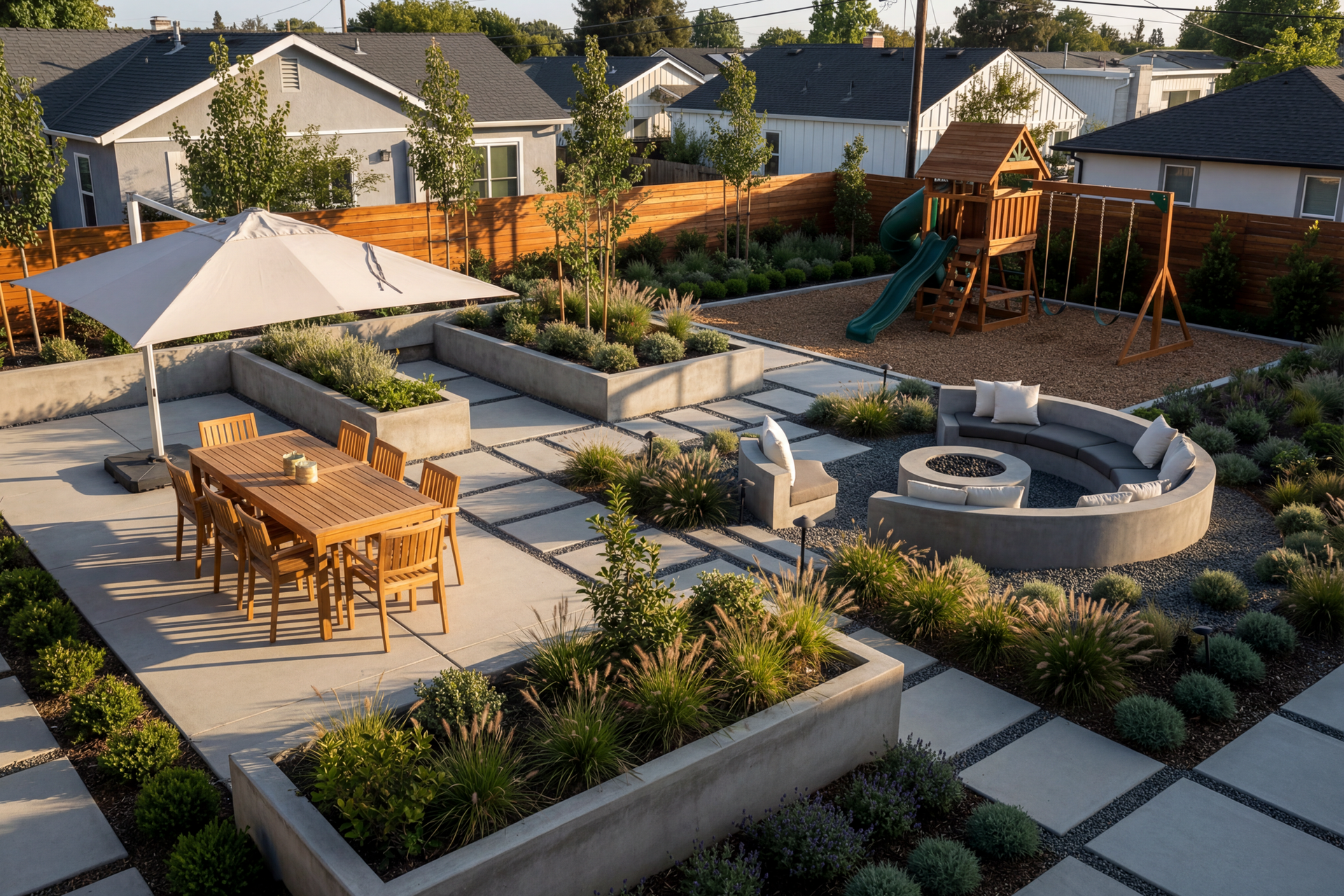
Zoning is the foundation of a family-friendly outdoor layout. By dividing your yard into clear functional areas, everyone knows where to gather, play, or unwind.
Common Outdoor Zones for Families
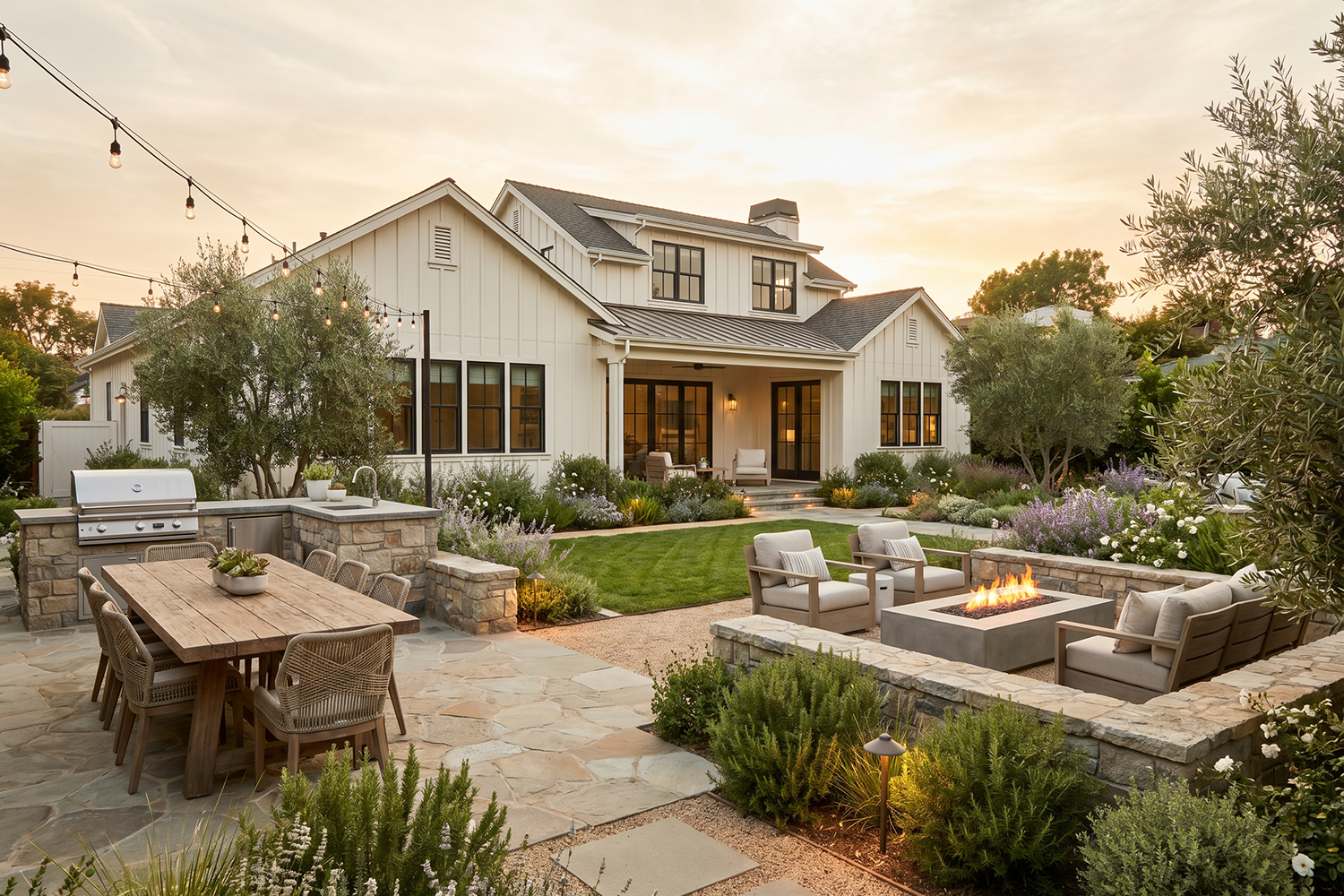
- Cooking Zone: Grill, outdoor kitchen, prep counters
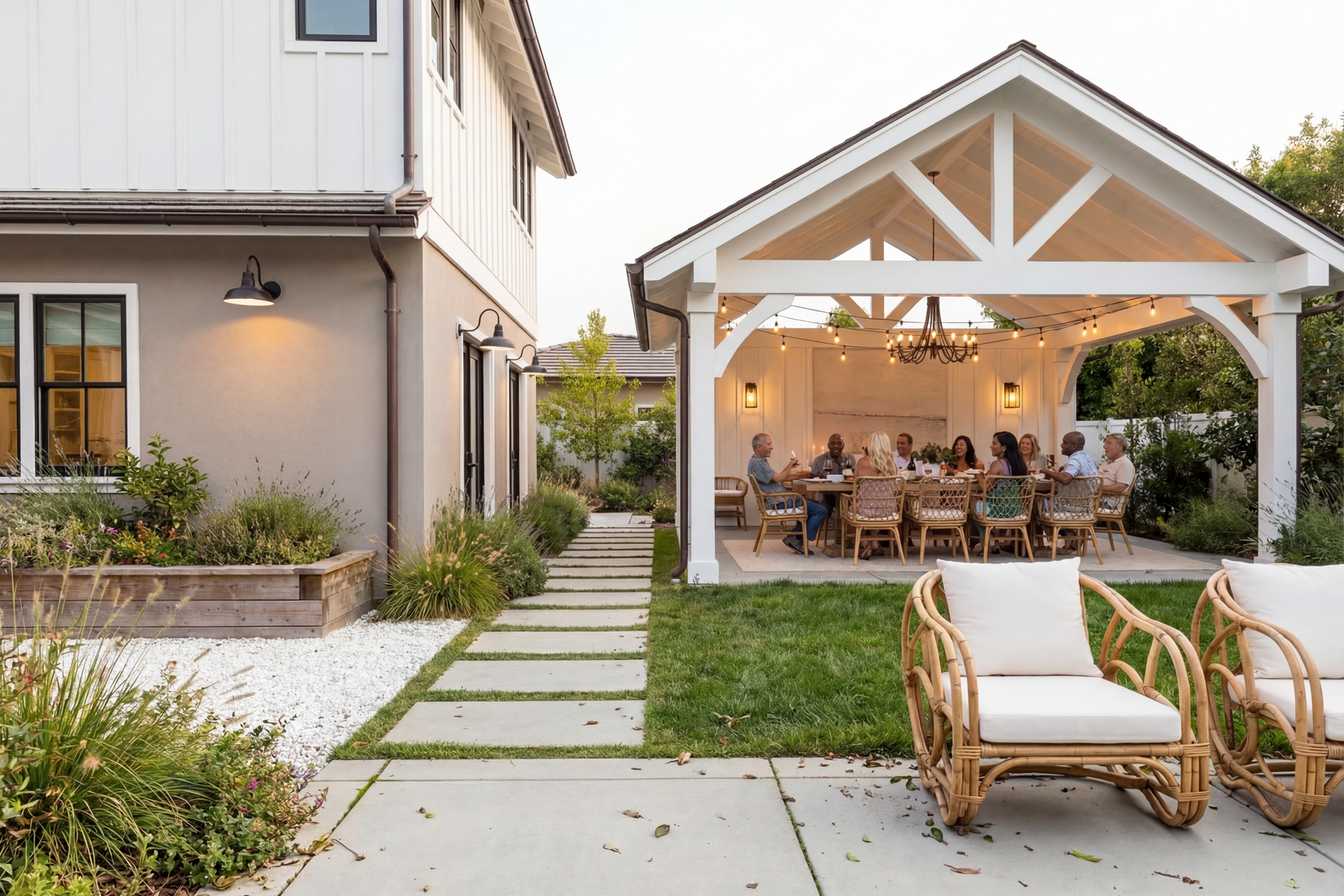
- Dining Zone: Table, seating, shade structure
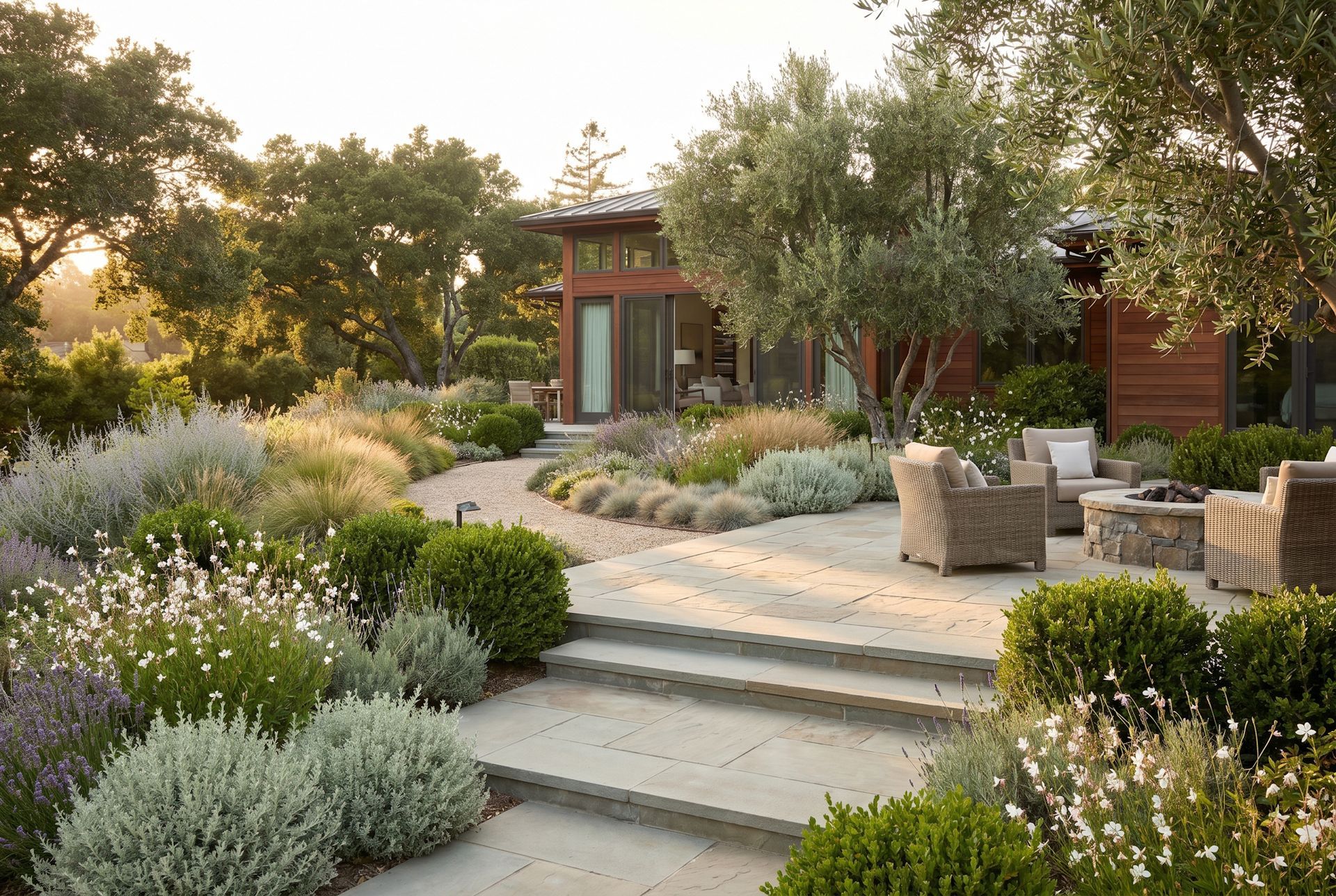
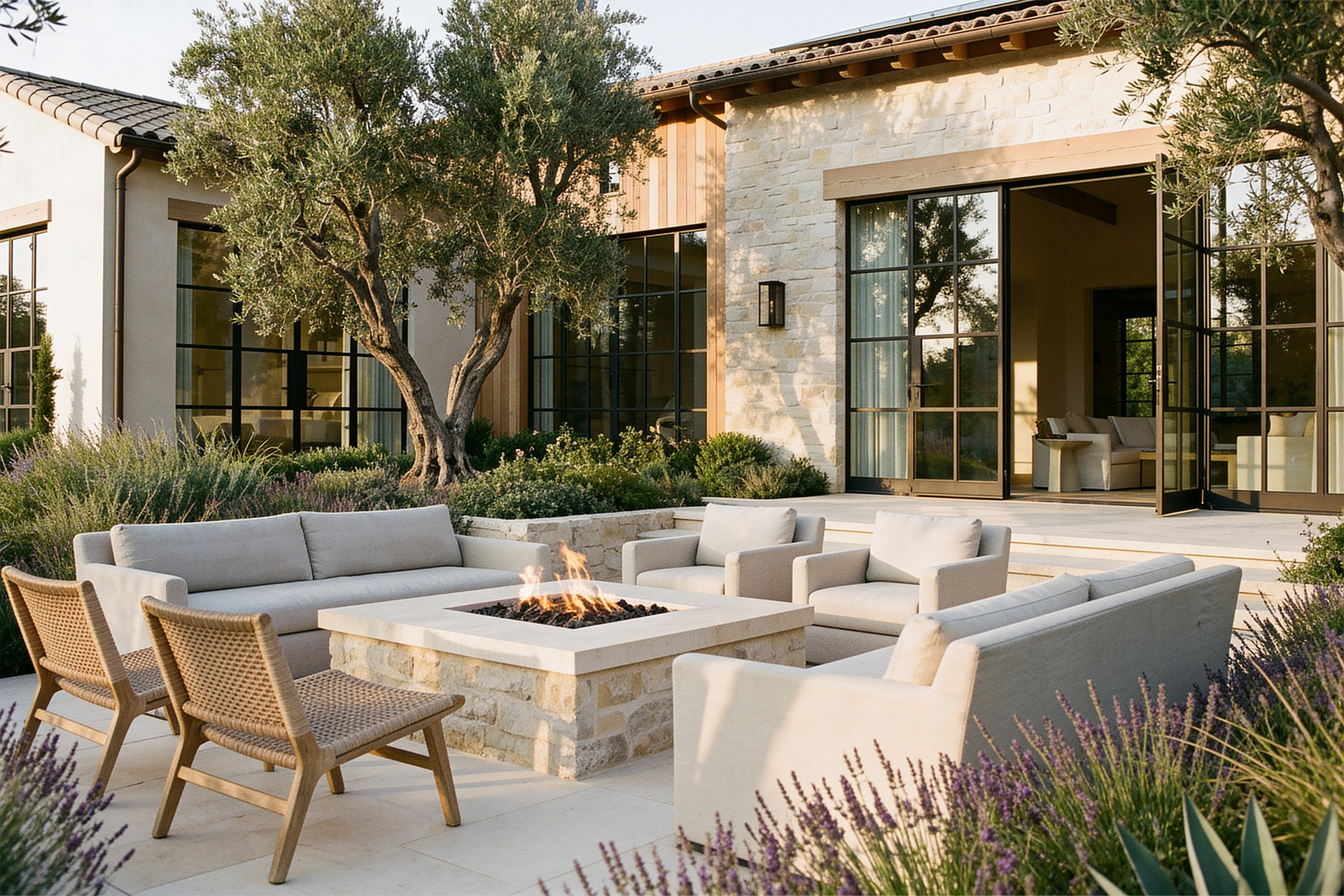
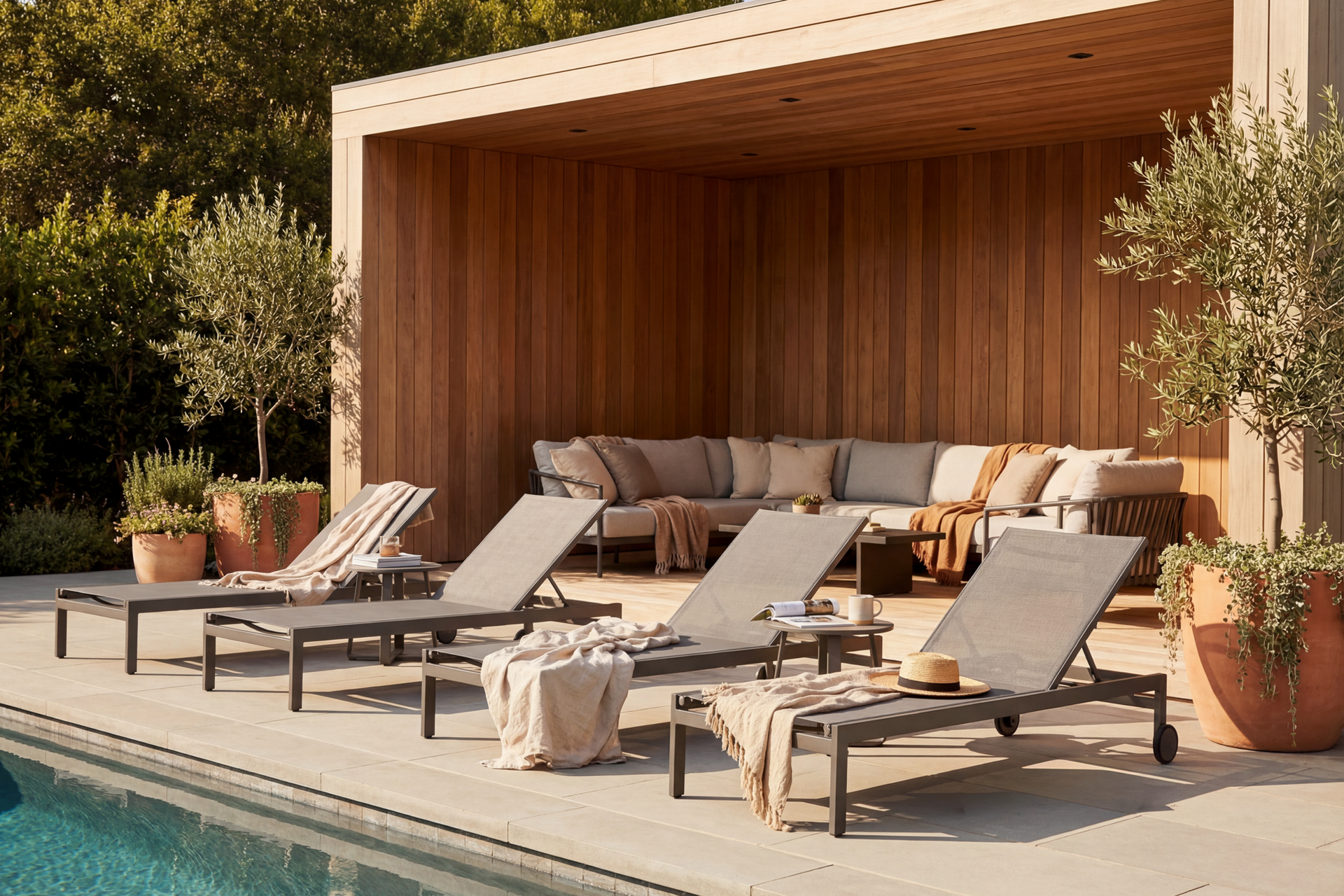
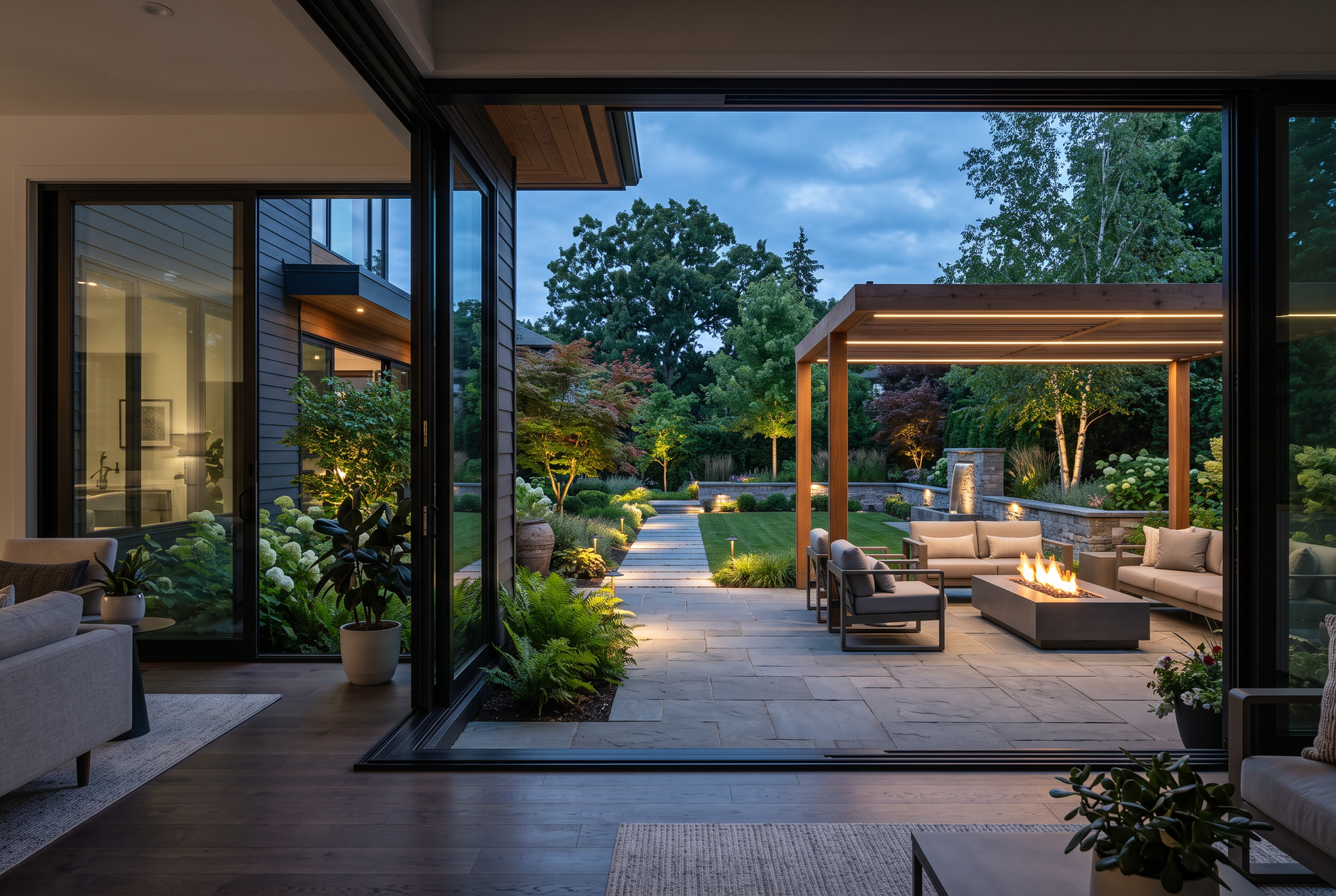
- Lounge Zone: Sofas, fire pit, conversation seating
- Play Zone: Lawn, play structures, open space
Even small yards benefit from zoning. Changes in materials—like pavers, decking, or grass—can define spaces without physical barriers.
Designing a Comfortable Outdoor Dining Area

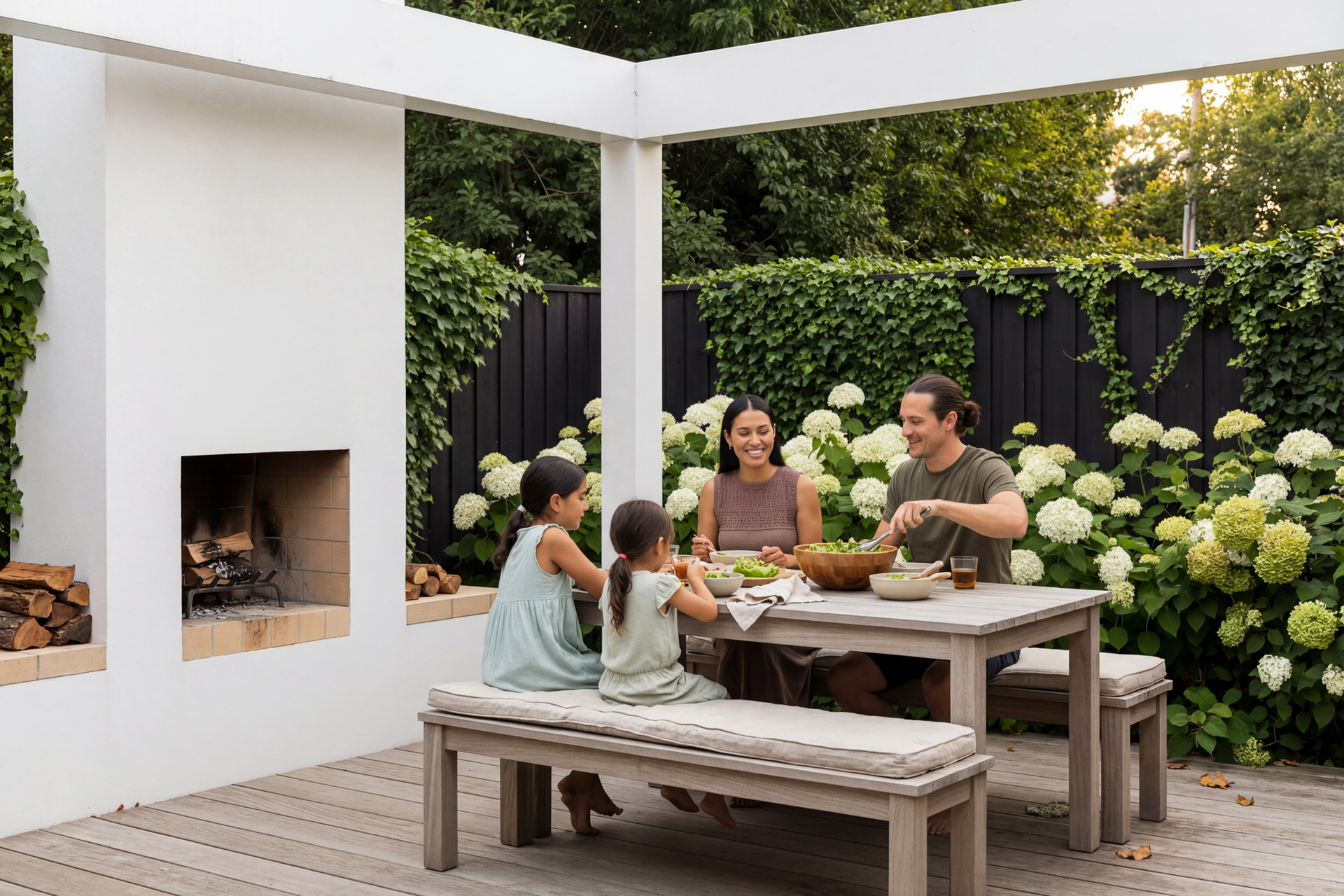
Outdoor dining is often the heart of entertaining, especially for families. The key is comfort, accessibility, and proximity to the kitchen.
Design tips that work in real life:
- Place dining areas close to the house to reduce food traffic
- Choose sturdy, easy-to-clean furniture
- Allow space for kids’ chairs or high chairs
- Add shade with pergolas, umbrellas, or trees
Avoid squeezing tables into tight corners and families need room to move around without bumping elbows or tipping drinks.
Outdoor Kitchens That Keep Everyone Connected

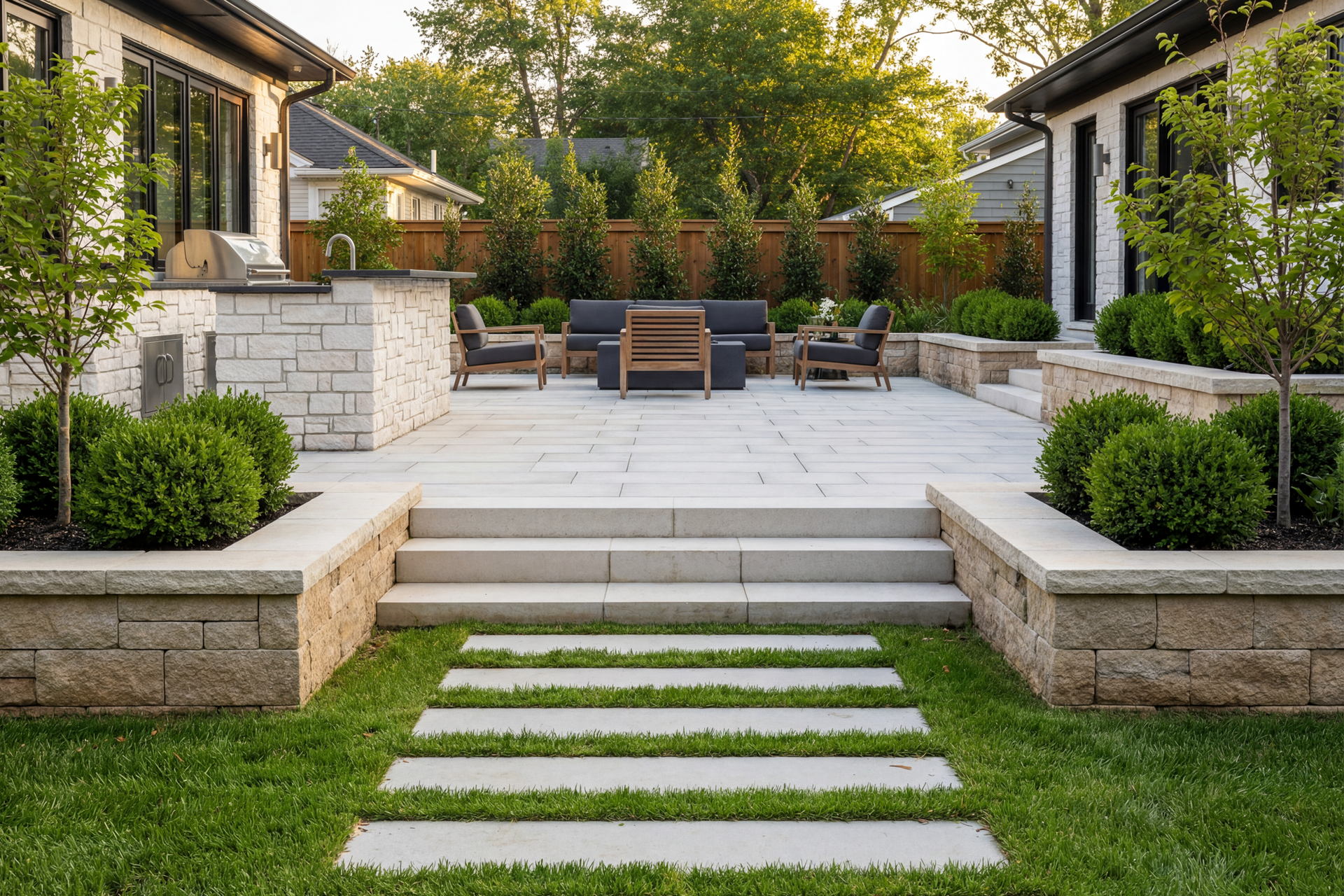
An outdoor kitchen shouldn’t isolate the cook from the fun. For real families, the best layouts encourage interaction.
What works best:
- Peninsula or island layouts with seating
- Clear sightlines to play areas
- Simple, durable appliances
- Adequate counter space for serving
Bar seating allows kids to snack, guests to chat, and adults to stay part of the conversation while cooking.
Kid-Friendly Play Spaces That Blend with Design

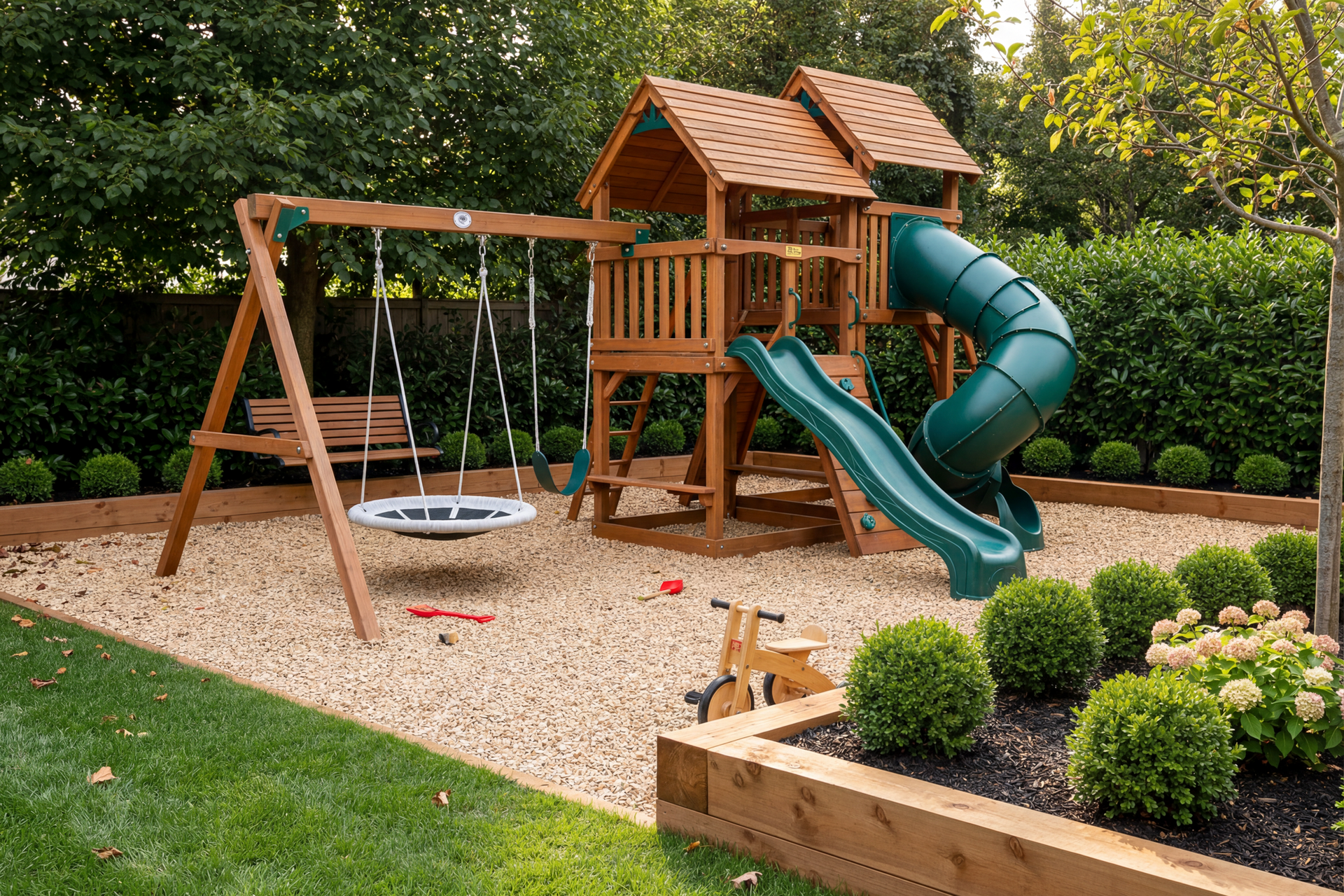
Kids need space to move but that doesn’t mean your yard has to look like a playground. Smart layouts integrate play areas naturally into the landscape.
Family-approved play zone ideas:
- Open lawn areas for games and sports
- Natural play elements like boulders or logs
- Play zones visible from seating and kitchens
- Soft surfaces for safety
By placing play areas near gathering spaces, parents can relax while keeping an eye on children.
Comfortable Lounge Areas for Relaxing and Socializing

After meals and playtime, families and guests need places to unwind. Lounge areas should feel cozy but durable enough for daily use.
Design elements that work:
- Weather-resistant sectionals or chairs
- Fire pits for year-round use
- Side tables for drinks and snacks
- Lighting for evening gatherings
Placing lounge areas slightly away from play zones creates balance—adults can relax while kids stay active nearby.
Paths, Flow, and Safety: Designing for Real Movement

Family-friendly outdoor layouts prioritize movement and safety. Guests, kids, and pets should be able to navigate the space easily.
Key considerations:
- Wide, slip-resistant walkways
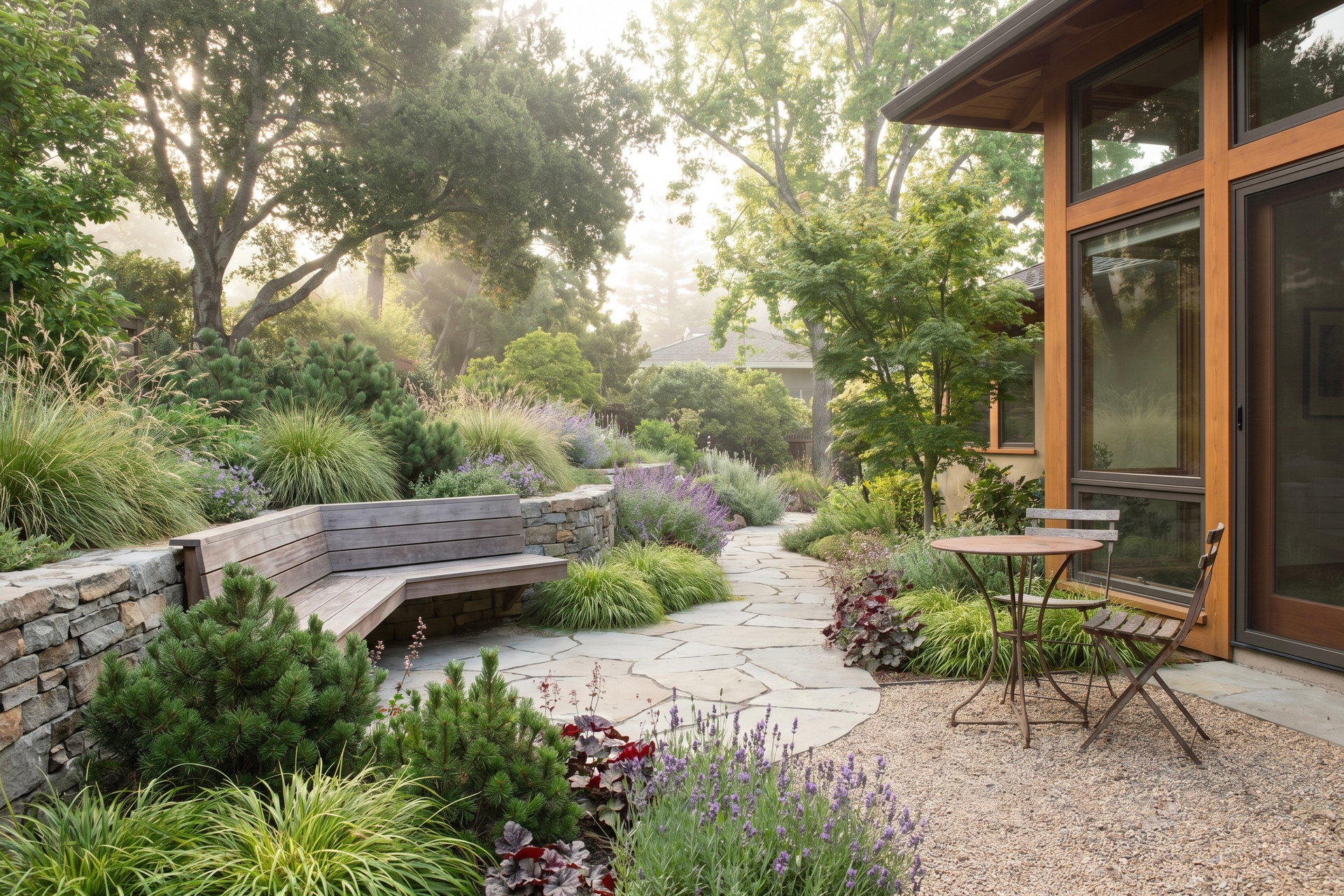
- Clear paths between zones
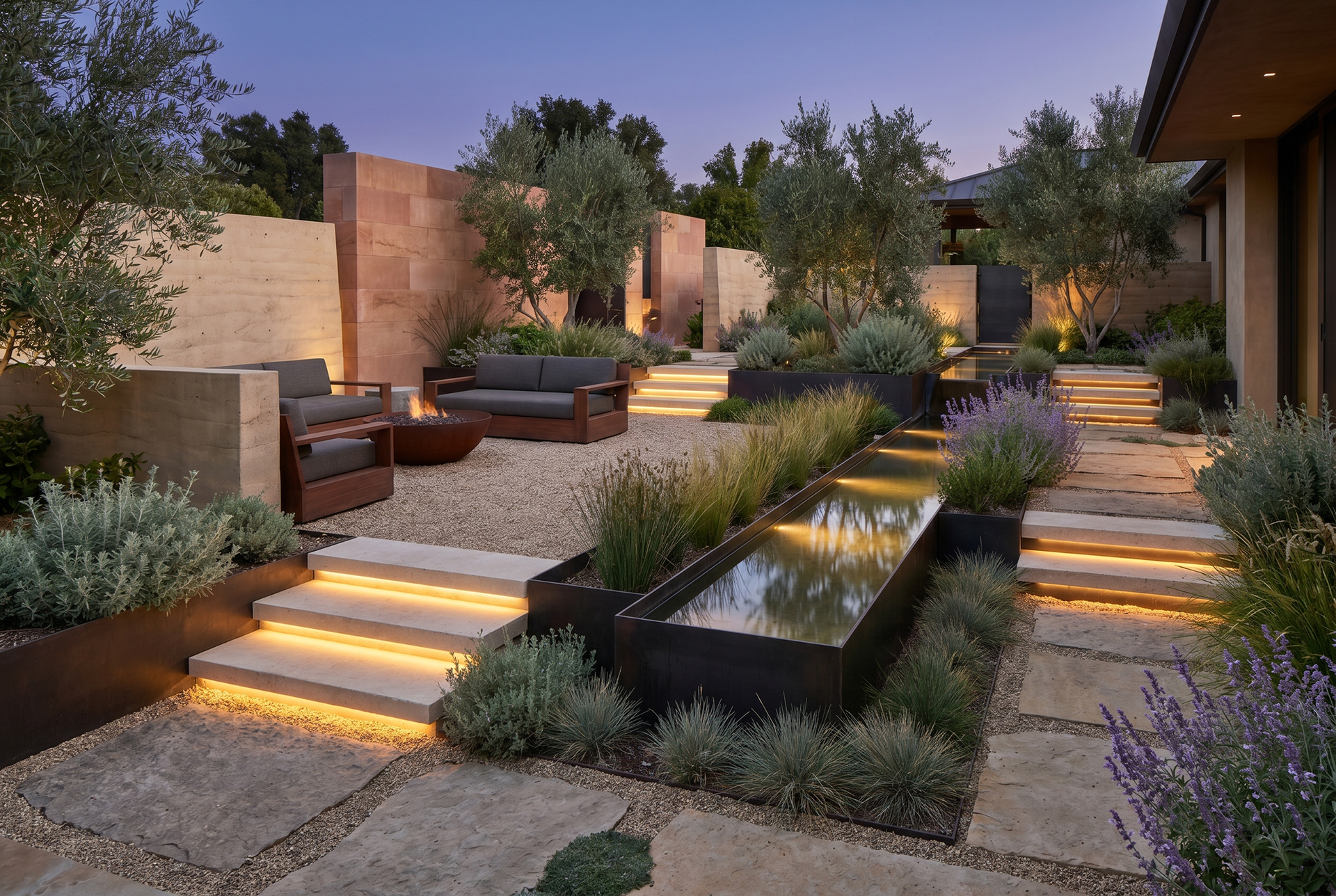
- Soft lighting along steps
A well-designed garden doesn’t ask you to behave differently, it simply makes room for the way you already live. For families in Northern California and Portland, Oregon, that means outdoor spaces that balance beauty with ease, structure with softness, and moments of gathering with room to breathe.
When layout, circulation, and planting work in harmony, entertaining outdoors feels natural rather than planned. If you’re considering reimagining your landscape, a thoughtful design approach can transform your garden into a space that’s as functional as it is enduring one that grows more meaningful with time.