January 29, 2026
By Jenna Bayer | January 29, 2026
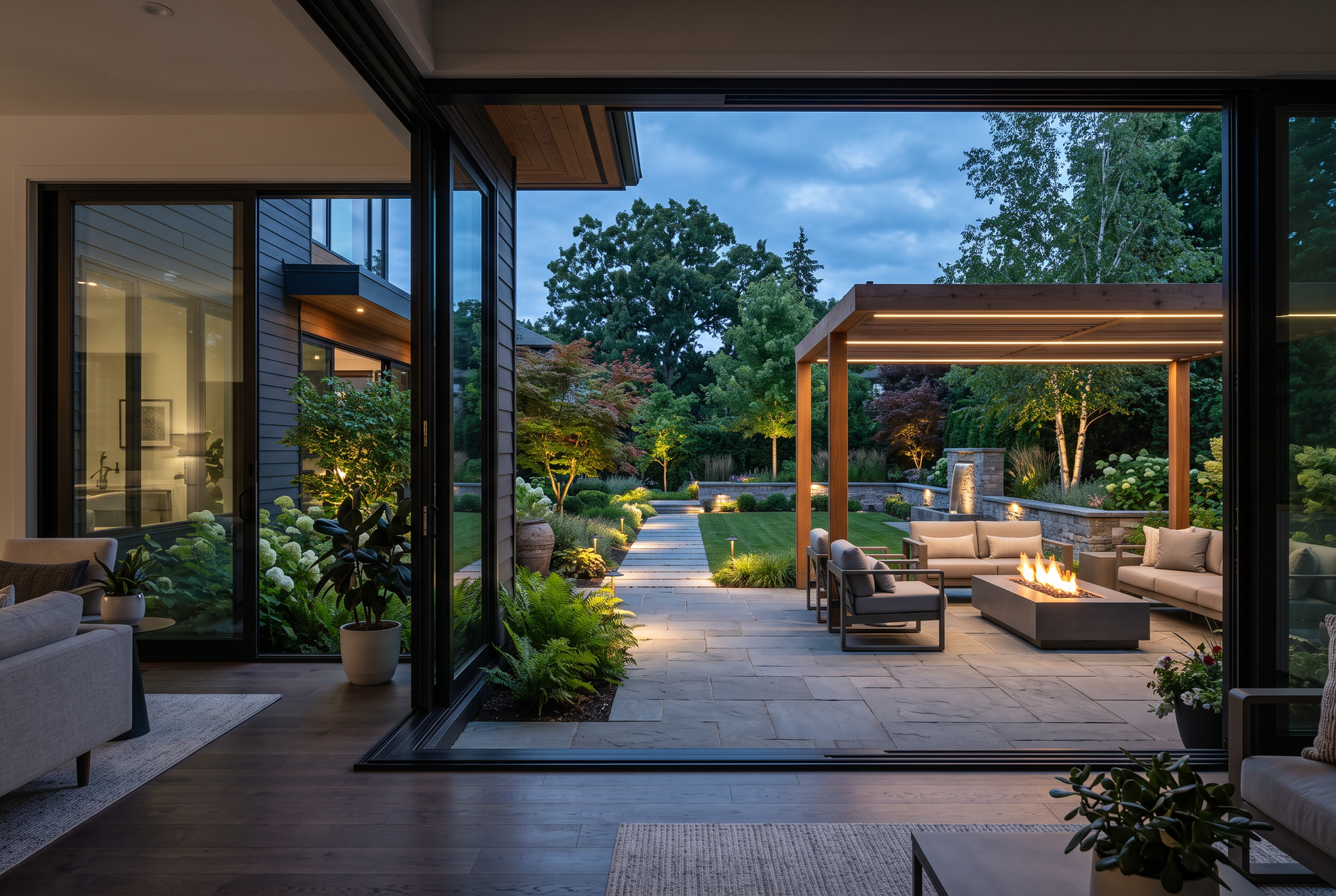
Great landscape design unfolds over time. It considers how a space will be used today and how it will grow, mature, and adapt in the years ahead. More than surface beauty, a successful garden supports daily rhythms, seasonal change, and long-term value. Whether welcoming guests at the front entry or creating quiet moments of retreat, intentional outdoor design can transform the way a property is experienced. Here are six foundational elements that shape landscapes that are both livable and enduring.
Curb Appeal
The exterior of a property is the first glimpse a potential buyer receives, often setting the tone for their overall impression. Well-maintained lawns, inviting entryways, and lush gardens create an immediate sense of welcome and potential. These elements ensure that whether driving by or stepping onto the property, visitors are met with an appealing view. According to Home Guide, landscaping can increase home value by 10% to 30% based on the quality and type of improvements. An investment in curb appeal is an investment in a property’s marketability.
A successful landscape design complements and highlights the architectural features of a home. This can involve creating symmetry with plantings or using hardscapes to reflect architectural lines. Proper architectural complementation integrates the house with its environment, making the entire property feel cohesive. Enhancing the architectural elements through thoughtful landscaping often results in a more harmonious appearance. This not only appeals visually but also adds to the property's perceived value, contributing to its overall appeal.
Designing landscapes that offer year-round beauty is crucial in creating enduring appeal. By selecting a mix of evergreens, perennials, and seasonal blooms, homeowners can ensure their garden is attractive at all times. Seasonal beauty necessitates strategic planning, where the flowering periods, foliage color changes, and plant lifecycles all contribute to continuous interest. However, maintaining such beauty requires consistent care, from pruning to mulching, which also contributes positively to property value. Homeowners willing to invest in seasonal maintenance often find that this enhances not only the visual appeal but also the longevity of their landscape investments.
Functional Outdoor Living Spaces
Outdoor living spaces designed for entertainment can transform a property into a hub of social activity. By incorporating features such as patios, outdoor kitchens, and fire pits, homeowners can host gatherings in style. These areas blend comfort with function, offering guests a seamless outdoor experience. Enhancing entertainment amenities aligns with current trends where people prioritize outdoor living areas for relaxation and socialization. Such designs not only boost the property's appeal but can also markedly increase its market value.
Beyond the hustle of organized gatherings, landscape design can also foster private retreats for relaxation and solitude. By using elements such as pergolas, gazebos, and secluded seating areas, property owners can create personal sanctuaries. These quiet spots provide an escape from the everyday, making them highly desirable features. The allure of a private oasis adds to the livability of a property, providing mental and emotional benefits. When potential buyers see these intimate spaces, they often imagine their own leisure time, thus enhancing the property's attractiveness.
A well-designed landscape caters to all family members, including children and pets, with spaces for play and exploration. By incorporating elements like play structures, sandboxes, or splash pads, a garden can become a safe, exciting area for children. Pet-friendly designs, such as dog runs or designated garden paths, ensure that all family members can enjoy the outdoors. These inclusive features make a property more versatile and appealing to a wider range of potential buyers. Family-friendly yards often translate into higher property values, as they meet the demands of numerous buyer demographics.
Smart Utilization of Plant Life
Choosing the right plant species for specific climates and soils is crucial in creating thriving landscapes. Strategic plant selection minimizes maintenance efforts and enhances garden resilience against pests and diseases. By matching plants to the property's environmental conditions, homeowners can achieve lush gardens with minimal resource input. Well-chosen plants contribute to aesthetic beauty and can offer shade, energy savings, and improved air quality. Such thoughtful plant selection not only leads to beautiful gardens but can also increase property value significantly.
Incorporating native plant species into landscape designs offers numerous ecological and practical benefits. Native plants are well-adapted to the local climate and soil, requiring less water and care, making them cost-effective choices for homeowners. These plants often attract native pollinators and provide habitats for local wildlife, enhancing biodiversity. By selecting native species, homeowners can achieve gardens that support ecological balance while reducing maintenance efforts. As awareness of environmental responsibility grows, properties featuring native gardens are increasingly appealing, potentially boosting their market value.
Landscape design can influence microclimates within a property, altering the conditions of specific areas to suit diverse plantings or activities. Elements such as windbreaks, strategically placed trees, and water features can modify light exposure, humidity, and temperatures, creating unique conditions. By manipulating these factors, designers can support diverse plant life and increase the usability of outdoor spaces under varied weather conditions. Microclimates enhance environmental stability, ensuring that gardens flourish year-round. The ability to alter conditions within a landscape adds to its adaptability and appeal, serving as a valuable feature in real estate markets.
Water Features and Their Impact
Water features such as ponds, fountains, and streams contribute significantly to a landscape's aesthetic appeal. These elements introduce movement and sound, creating dynamic garden scenes that capture attention and imagination. Water features often become focal points within the landscape, enhancing the overall beauty and tranquility of outdoor spaces. The reflection of light off water surfaces adds a delightful visual element, drawing focus and providing contrast with the surrounding greenery. By incorporating water features, homeowners can transform ordinary gardens into extraordinary spaces that boost curb appeal and property value.
Besides their beauty, water features can support energy-efficient landscape designs. Water elements can aid in cooling surrounding areas, potentially reducing the reliance on artificial air conditioning systems. Strategically placed water features can lower ambient temperatures, contributing to a microclimate conducive to plant growth and comfort for users. Such natural cooling methods highlight the innovative ways water can fulfill functional roles in landscape design. The integration of energy-saving elements is attractive to environmentally conscious buyers, supporting increased property valuations.
Water features also serve an essential role in fostering biodiversity within landscapes. By introducing elements such as ponds and wetlands, designers can create valuable habitats for various aquatic and terrestrial species. These natural habitats support wildlife, encouraging the presence of birds, insects, and even small mammals. The presence of thriving ecosystems not only enhances the ecological value of a property but also enriches the overall outdoor experience for humans. As awareness about the importance of biodiversity grows, such features are becoming more attractive in property markets.
The multifaceted influence of landscape design extends beyond initial appearances, profoundly affecting a property's financial and livable attributes. By addressing elements such as curb appeal, functionality, ecological sustainability, and security, landscape design creates environments that are not only beautiful but beneficial. Through thoughtful design, outdoor spaces become living extensions of the home, enhancing life quality and boosting value. For professionallandscape design that you'll love, contact Jenna Bayer Garden Design today.