January 24, 2026
By Jenna Bayer | January 24, 2026
Thoughtful plant choices for resilient, water-wise West Coast gardens

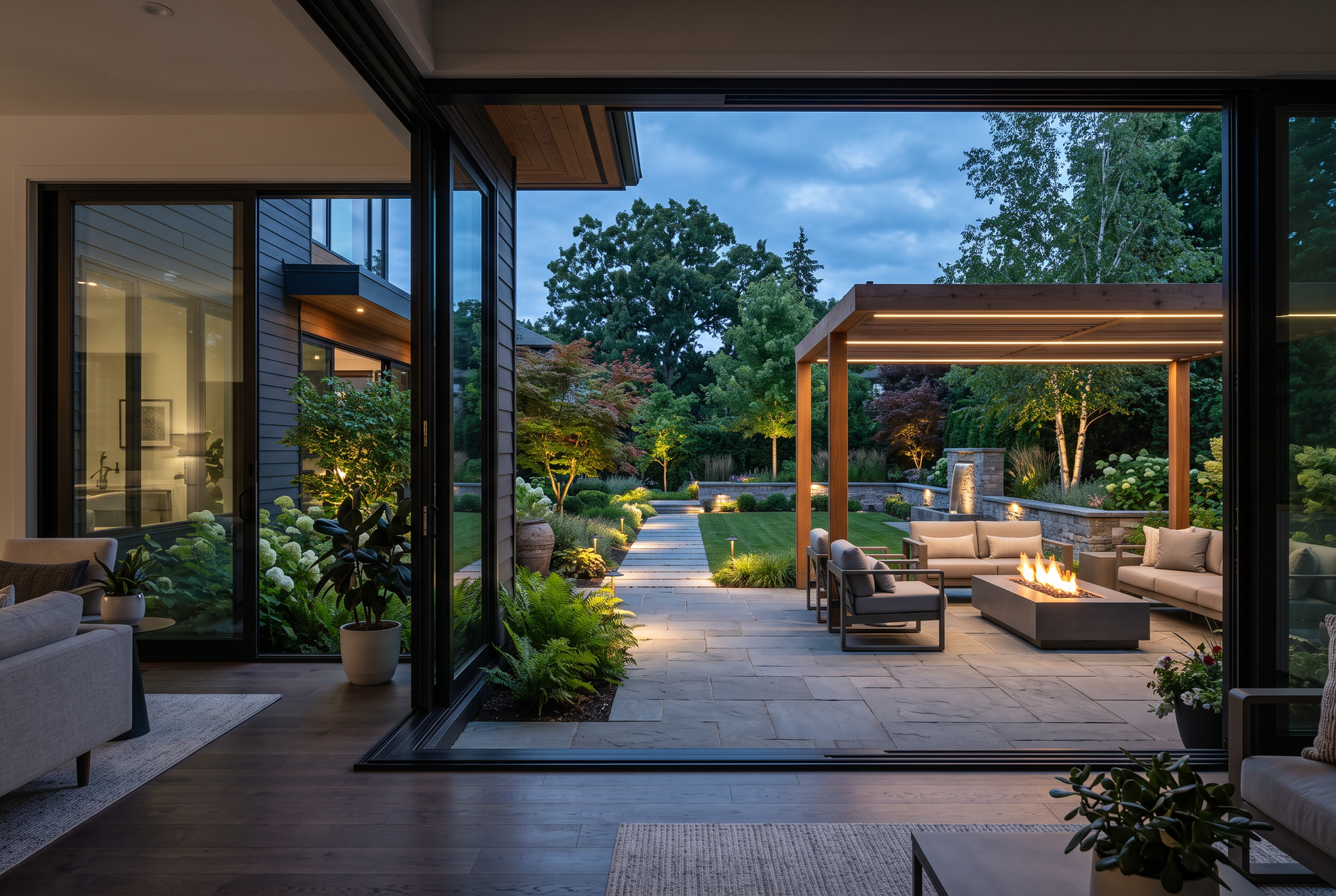
Designing a garden for the West Coast means working with long, dry summers and increasingly unpredictable rainfall. In both the Bay Area and Portland, thoughtful plant selection is essential not only to conserve water, but to create landscapes that remain lush, layered, and engaging through the warmest months of the year. When properly designed and established, many plants can thrive through the dry season with minimal supplemental irrigation.
Designing for Dry Summers in the Bay Area and Portland
While the Bay Area and Portland share a West Coast sensibility, each region presents its own unique challenges when it comes to dry-summer garden design. Understanding these differences is essential to creating landscapes that not only survive, but truly thrive over time.
Bay Area Gardens: Mediterranean Climate, Diverse Microclimates
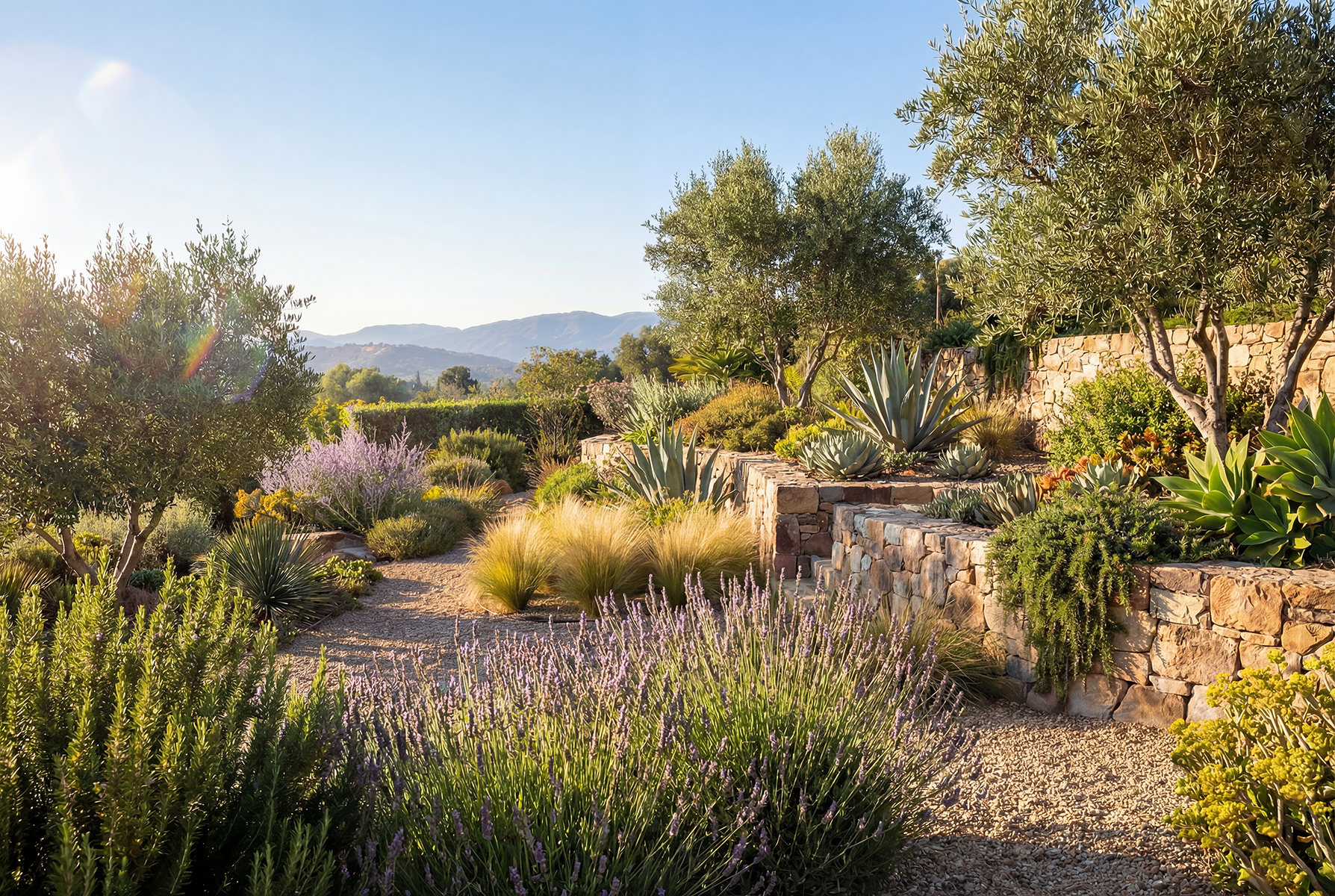
The Bay Area’s Mediterranean climate is defined by cool, wet winters and long, dry summers. Within that framework, however, microclimates vary dramatically from foggy coastal neighborhoods to warmer inland valleys and hillside sites with intense sun exposure.
In Bay Area gardens, successful dry-summer planting often depends on:
- Careful plant placement based on sun and wind exposure
- Excellent drainage and soil preparation
- Selecting plants adapted to extended summer drought
Plants such as California natives, Mediterranean species, and climate-adapted evergreens perform especially well here, offering structure and seasonal interest without demanding excessive irrigation once established.
Portland Gardens: Dry Summers with Cooler Temperatures
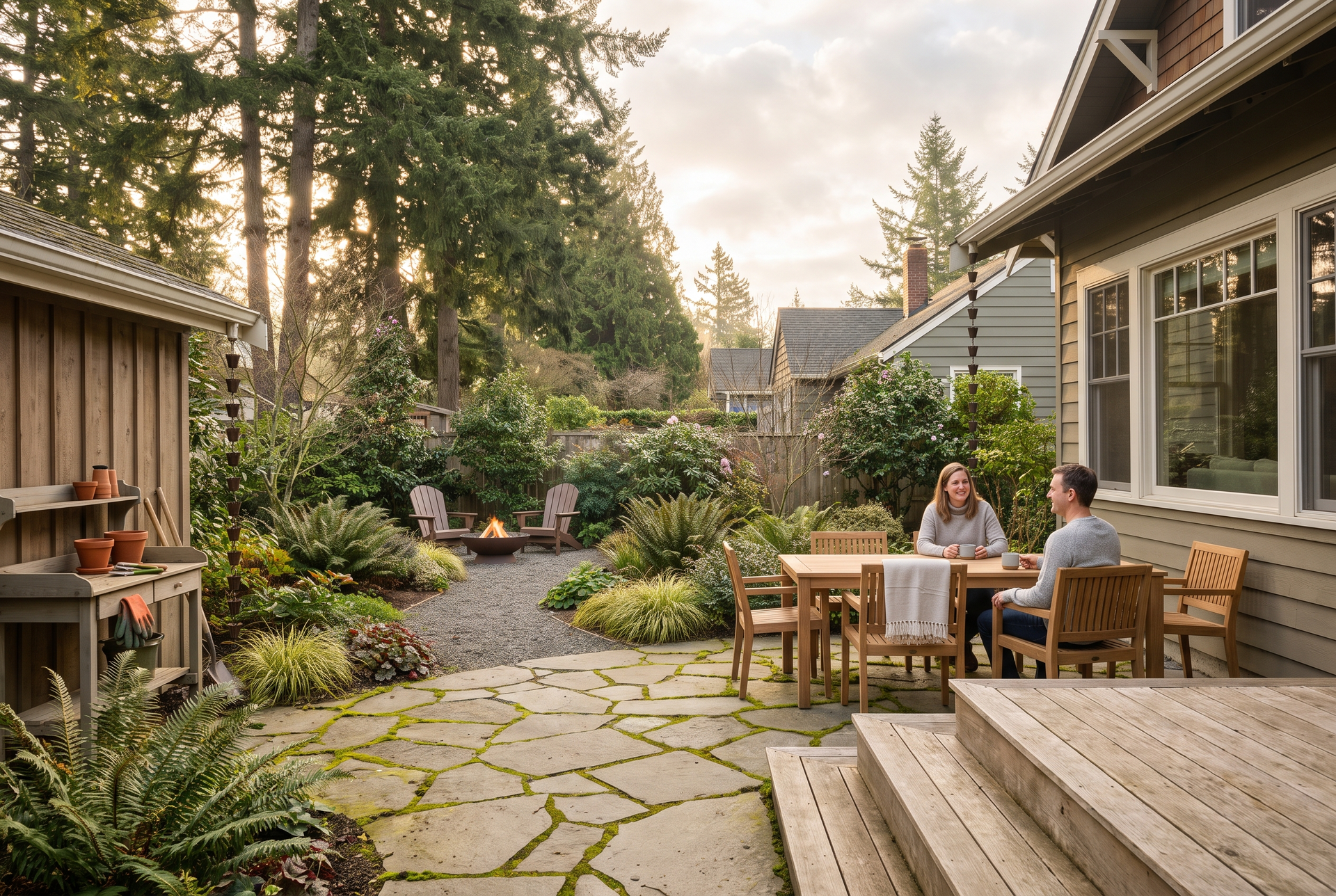
Portland’s climate presents a different rhythm. Winters are wetter, and summers while generally cooler than the Bay Area—are increasingly dry, with extended periods of little to no rainfall.
In Portland landscapes, plant selection must account for:
- Heavier winter soils and seasonal moisture
- Summer drought stress despite cooler temperatures
- Plants that can handle both winter saturation and summer dryness
Well-chosen drought-tolerant plants with adaptable root systems allow gardens to transition gracefully between seasons, reducing reliance on irrigation while maintaining visual richness through summer.
What “No Extra Water” Really Means
When we talk about plants that thrive without extra water, we’re referring to landscapes that have been properly designed, prepared, and established. All gardens require water during their initial establishment period, and thoughtful soil preparation, mulching, and spacing play a critical role in long-term success.
Once mature, however, these plants are well suited to dry summers and can perform beautifully with little to no supplemental irrigation. This approach supports sustainability while also reducing long-term maintenance and water use.
Structural Anchors for Dry-Summer Gardens
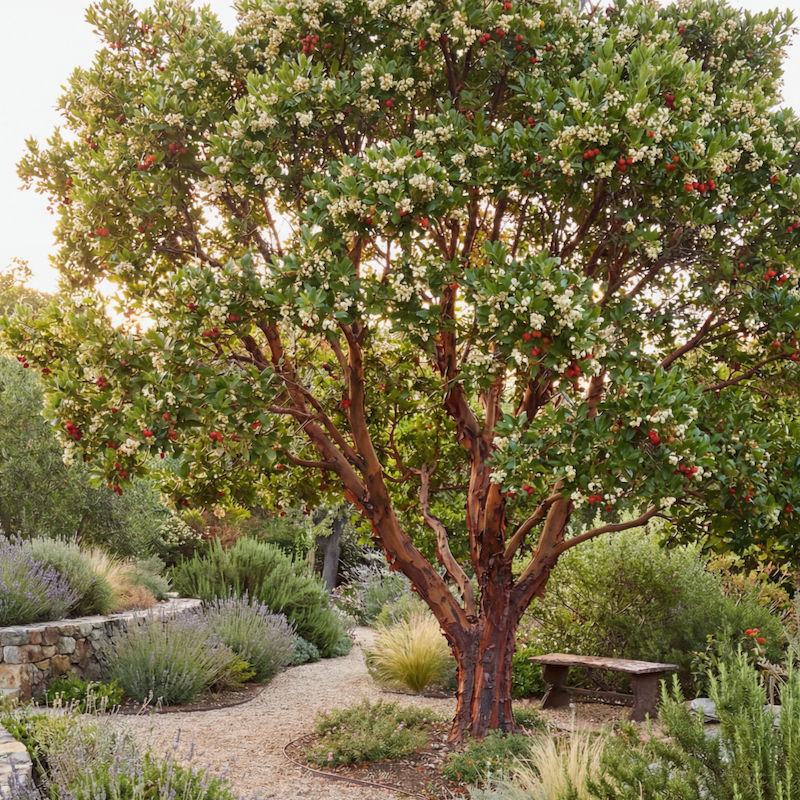
Arbutus ‘Marina’ (Strawberry Tree)

An evergreen tree with sculptural form and peeling bark, Arbutus ‘Marina’ thrives in coastal and inland Bay Area conditions. It provides year-round structure, spring flowers, and winter fruit, all while tolerating dry summers once established.
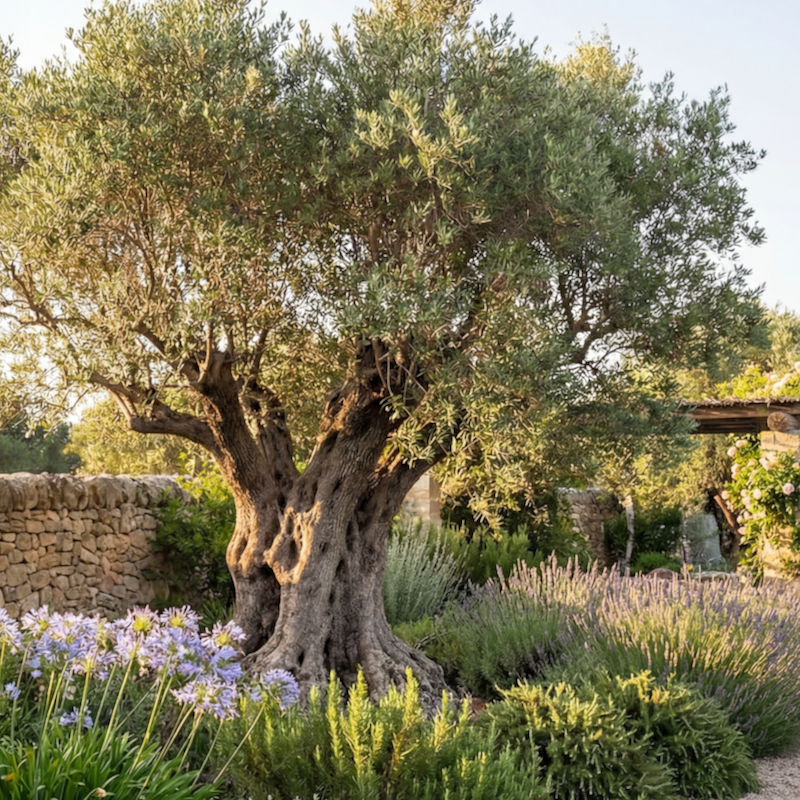
Olea europaea (Olive Tree)

A classic Mediterranean species, olive trees are valued for their silvery foliage, drought tolerance, and longevity. They bring a timeless, architectural presence to gardens and perform especially well in full sun with excellent drainage.
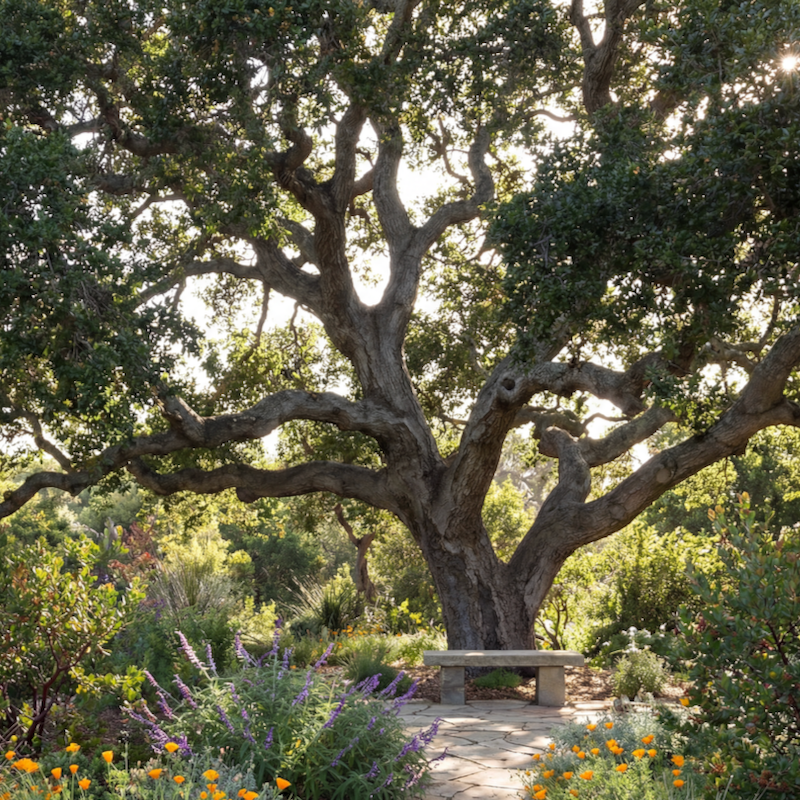
Quercus agrifolia (Coast Live Oak)

Native to California, Coast Live Oaks are deeply rooted in the regional landscape. When given adequate space, they offer shade, habitat value, and enduring beauty with minimal summer water needs.
Flowering Plants That Perform in Dry Conditions
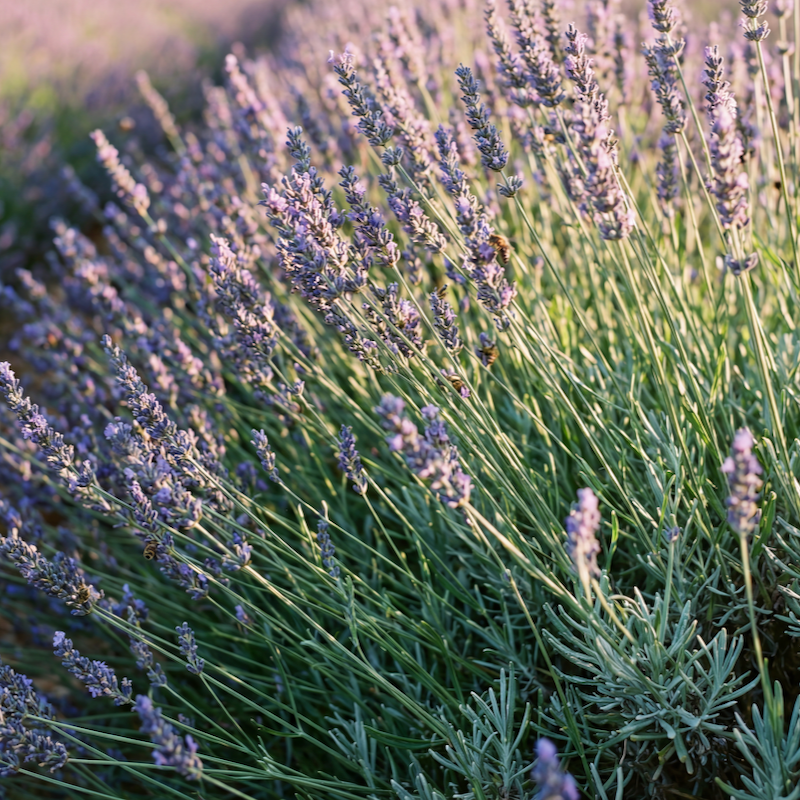
Lavandula (Lavender)

Lavender thrives in sunny, well-drained sites and offers fragrance, texture, and pollinator activity throughout the summer. Used thoughtfully, it softens hardscape edges and brings a relaxed Mediterranean feel to the garden.
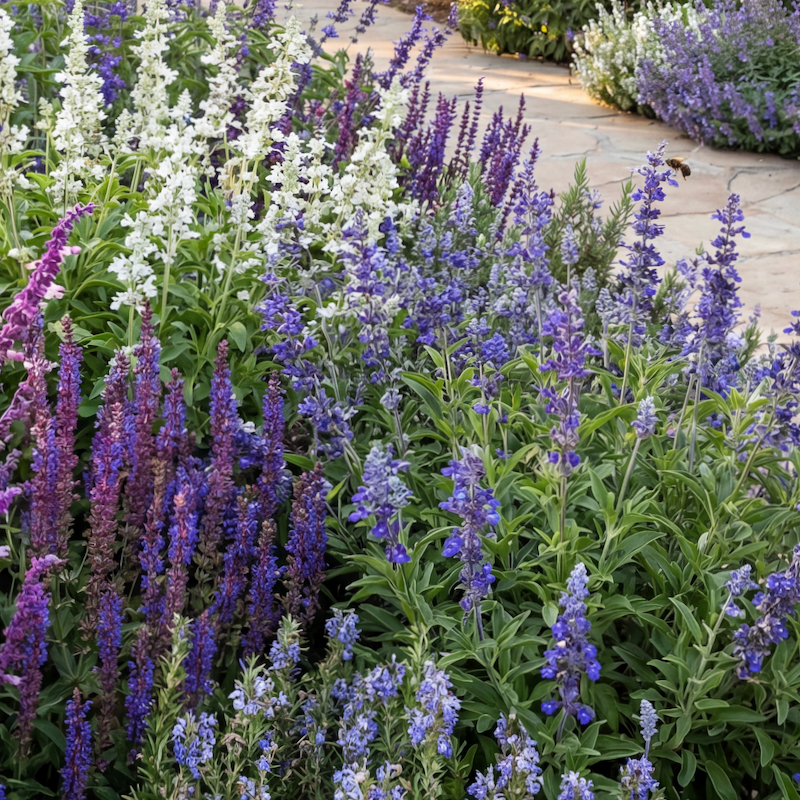
Salvia (California and Mediterranean varieties)

Salvias are exceptionally versatile, providing vibrant color and movement while remaining drought tolerant once established. Many varieties bloom over long periods and support pollinators.
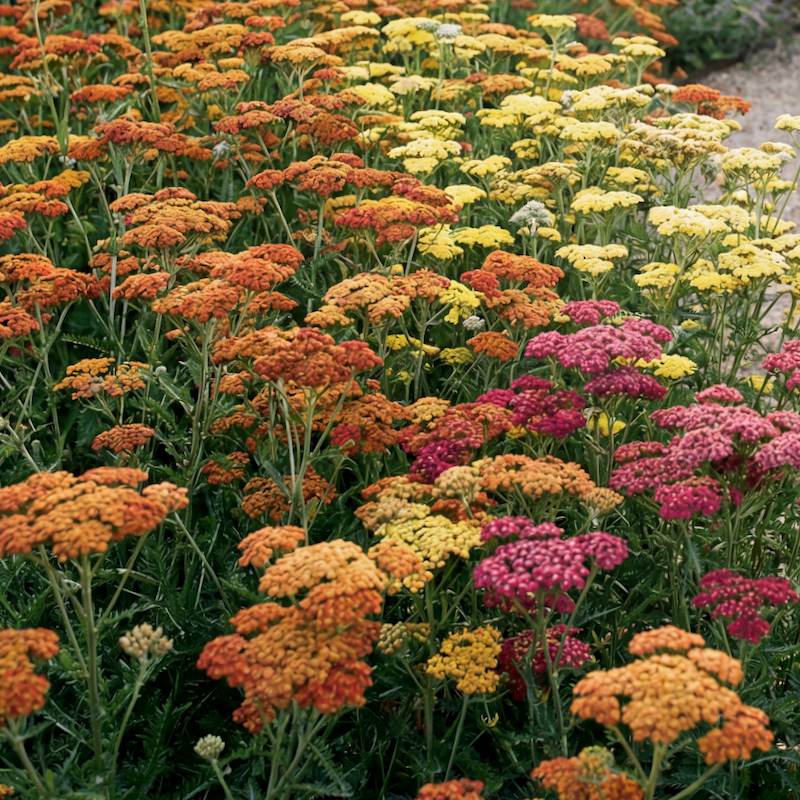
Achillea (Yarrow)

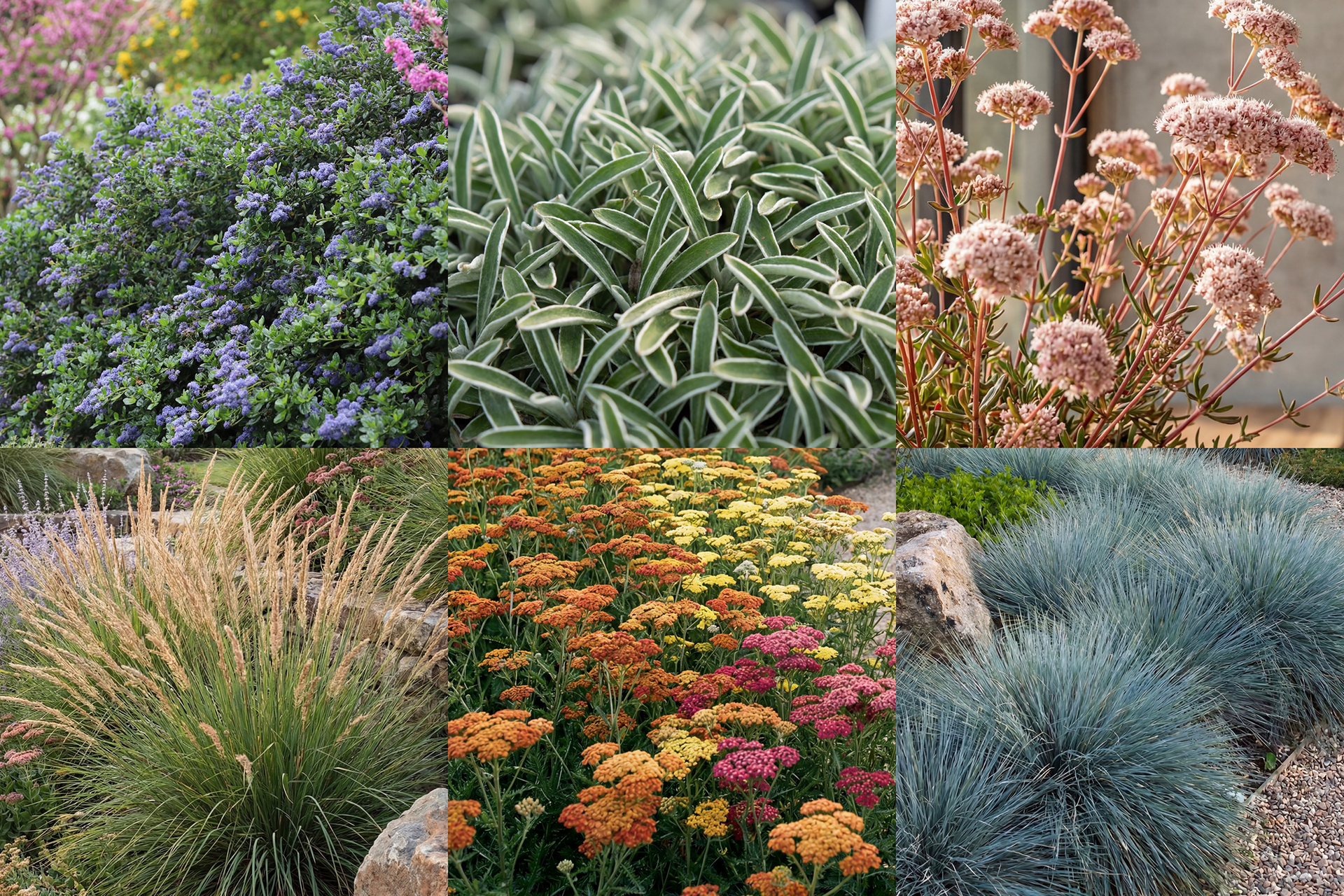
With delicate flowers and fern-like foliage, yarrow adds softness and seasonal interest. It performs well in lean soils and dry conditions, making it ideal for naturalistic plantings.
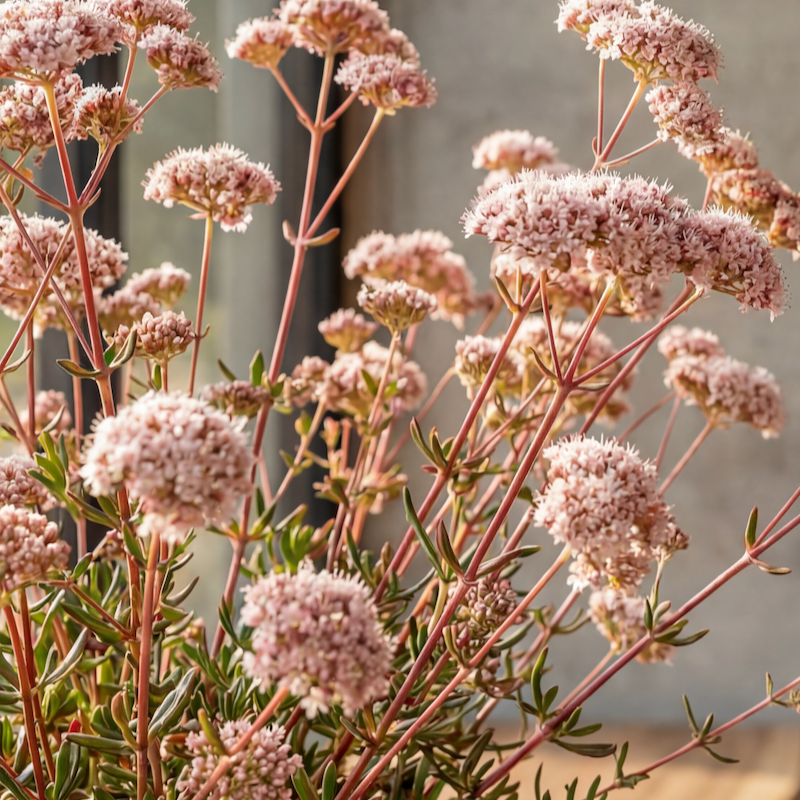
Eriogonum (California Buckwheat)

A true California native, buckwheat is valued for its long-lasting blooms and exceptional drought tolerance. It blends beautifully into native and mixed-planting gardens.
Grasses That Bring Movement and Texture
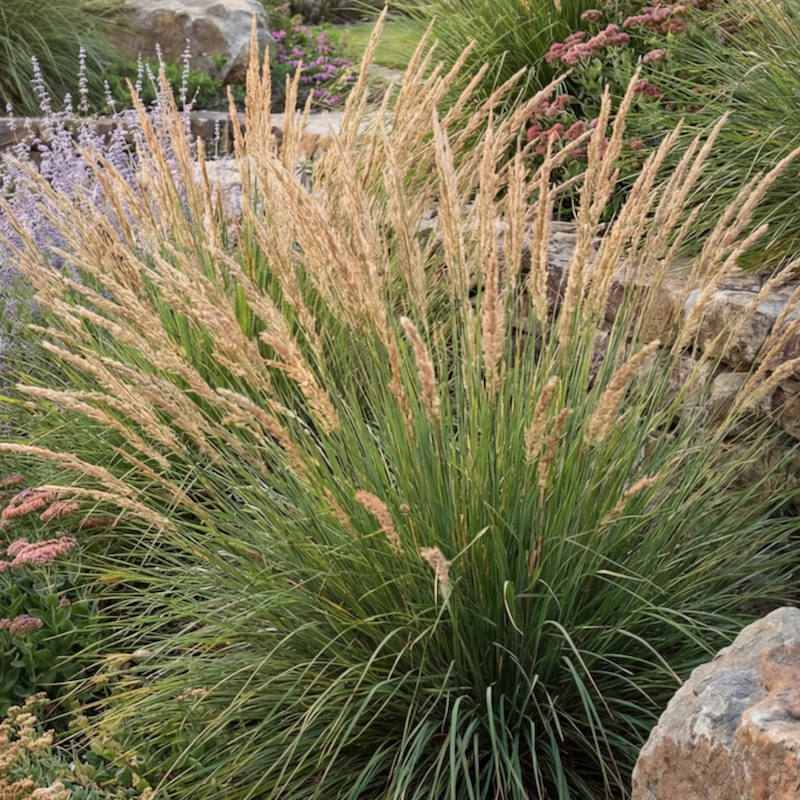
Muhlenbergia rigens (Deer Grass)

Deer grass provides graceful form and subtle movement throughout the year. It thrives in dry summers and works well as both a focal point and a massed planting.
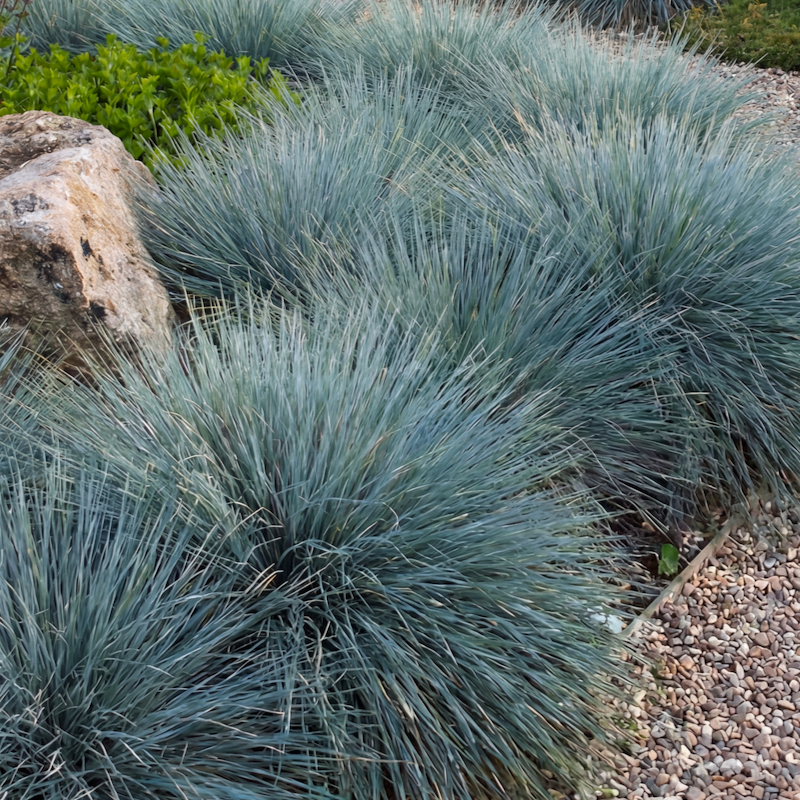
Festuca glauca (Blue Fescue)

This compact grass adds cool-toned contrast with its blue-gray foliage. Blue fescue performs best in sunny, well-drained locations and requires very little water once established.
Groundcovers and Transitional Plants
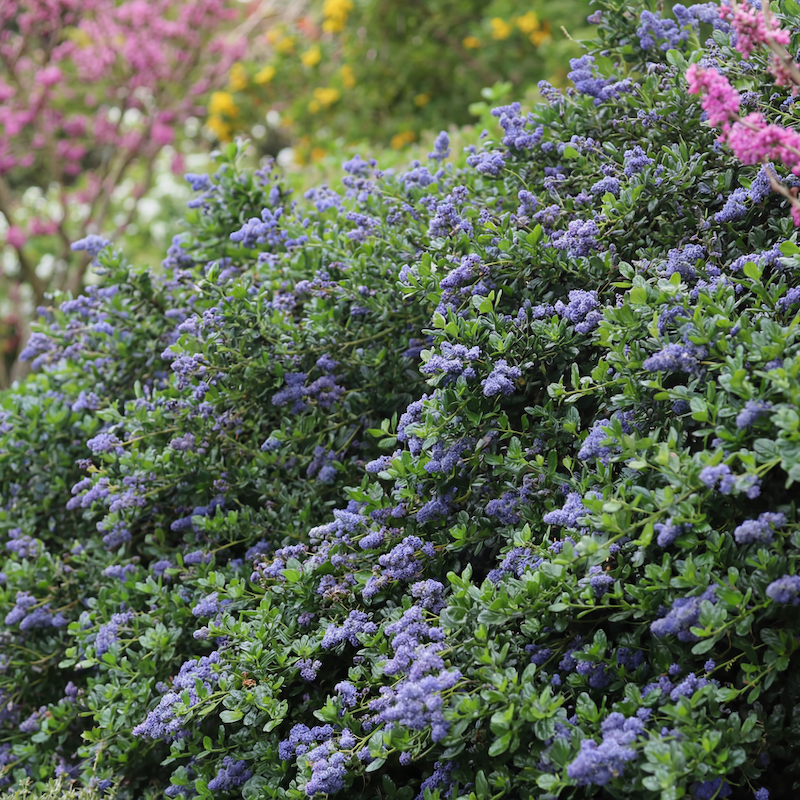
Ceanothus ‘Yankee Point’

A low-growing California native, this ceanothus spreads gently and offers glossy foliage with spring blooms. It is well suited for slopes and larger planting areas where irrigation is limited.
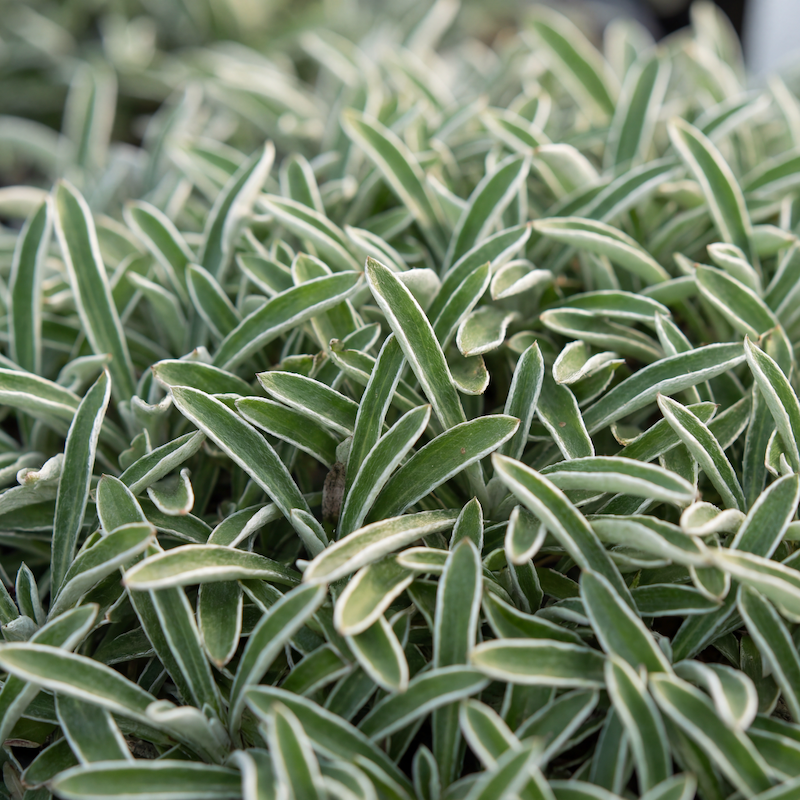
Dymondia margaretae

Often used as a groundcover between pavers or in open spaces, dymondia thrives in full sun and tolerates drought, foot traffic, and coastal conditions.
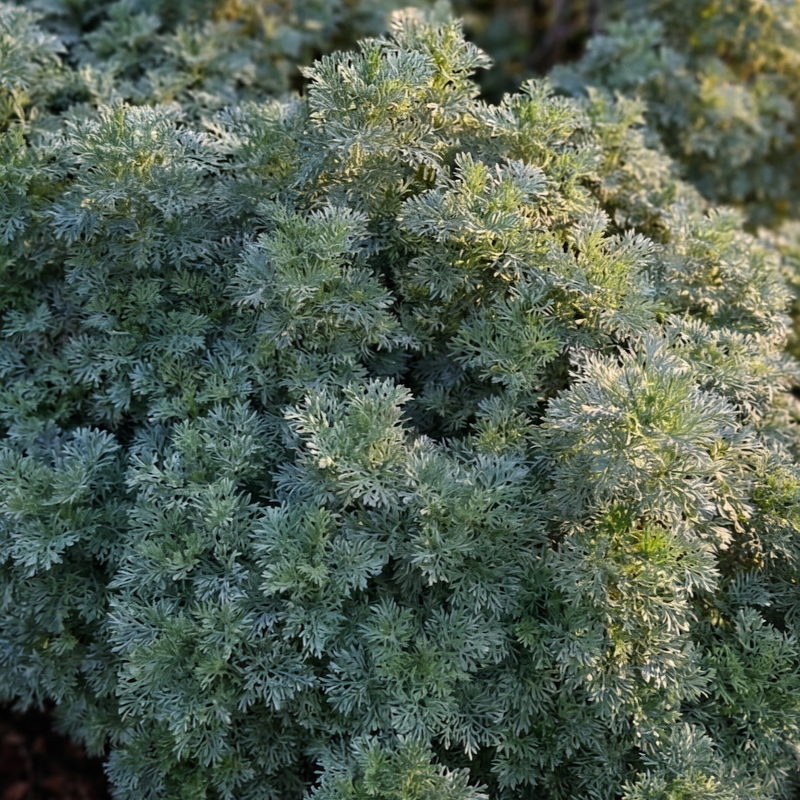
Artemisia ‘Powis Castle’

Known for its silvery foliage and soft texture, Artemisia adds contrast and structure to dry-summer gardens. It performs best with minimal water and excellent drainage.
Grasses That Bring Movement and Texture
Successful dry-summer gardens rely on more than individual plant choices. Exposure, soil conditions, spacing, and long-term growth patterns all influence how a landscape evolves over time. When these elements are considered together, water-wise gardens can feel abundant, layered, and deeply connected to their surroundings.
Our design process focuses on creating gardens that mature gracefully spaces that respond to the climate while enhancing daily life outdoors.
Creating Water-Wise Gardens in the Bay Area and Portland
Whether designing a new garden or refining an existing landscape, selecting the right plants for dry summers is an investment in longevity, sustainability, and beauty. Thoughtful design allows gardens to thrive naturally, with fewer resources and greater resilience.
If you’re interested in creating a landscape that reflects both your lifestyle and your local environment, we invite you to explore working with Jenna Bayer Garden Design.
Full Plant List
Structural / Evergreen Performers
Arbutus ‘Marina’ (Strawberry Tree)
Olea europaea (Olive Tree)
Quercus agrifolia (Coast Live Oak)
Flowering & Seasonal Interest
Lavandula (Lavender)
Salvia (California & Mediterranean varieties)
Achillea (Yarrow)
Eriogonum (California Buckwheat)
Grasses & Movement
Muhlenbergia rigens (Deer Grass)
Festuca glauca (Blue Fescue)
Groundcovers & Transitions
Ceanothus ‘Yankee Point’
Dymondia margaretae
Artemisia ‘Powis Castle’