For many years, outdoor home improvement trends focused heavily on dramatic, picture-perfect landscapes that looked stunning in magazine spreads but proved exhausting to maintain in everyday life. Elaborate water features, delicate exotic flowers, and massive pristine lawns often required endless hours of weeding, chemical treatments, and constant watering. Today, homeowners are shifting their focus toward a much more sustainable philosophy that prioritizes usability, ease of care, and genuine comfort. Creating an outdoor space that serves your actual lifestyle requires moving beyond pure aesthetics to focus on how your yard functions on a rainy Tuesday, during a busy weekend, or throughout changing seasons.
The desire for functional, well-planned outdoor environments has fueled incredible growth in the professional property care industry. According to the National Association of Landscape Professionals, the U.S. is home to 661,000 landscaping service businesses. This widespread availability of professional expertise reflects a growing recognition that thoughtful planning pays off over time. Whether homeowners choose to hire a local crew or tackle projects themselves, adopting a practical approach to landscape design ensures that your property remains an inviting haven rather than an overwhelming list of weekend chores.
Designing for How You Actually Live
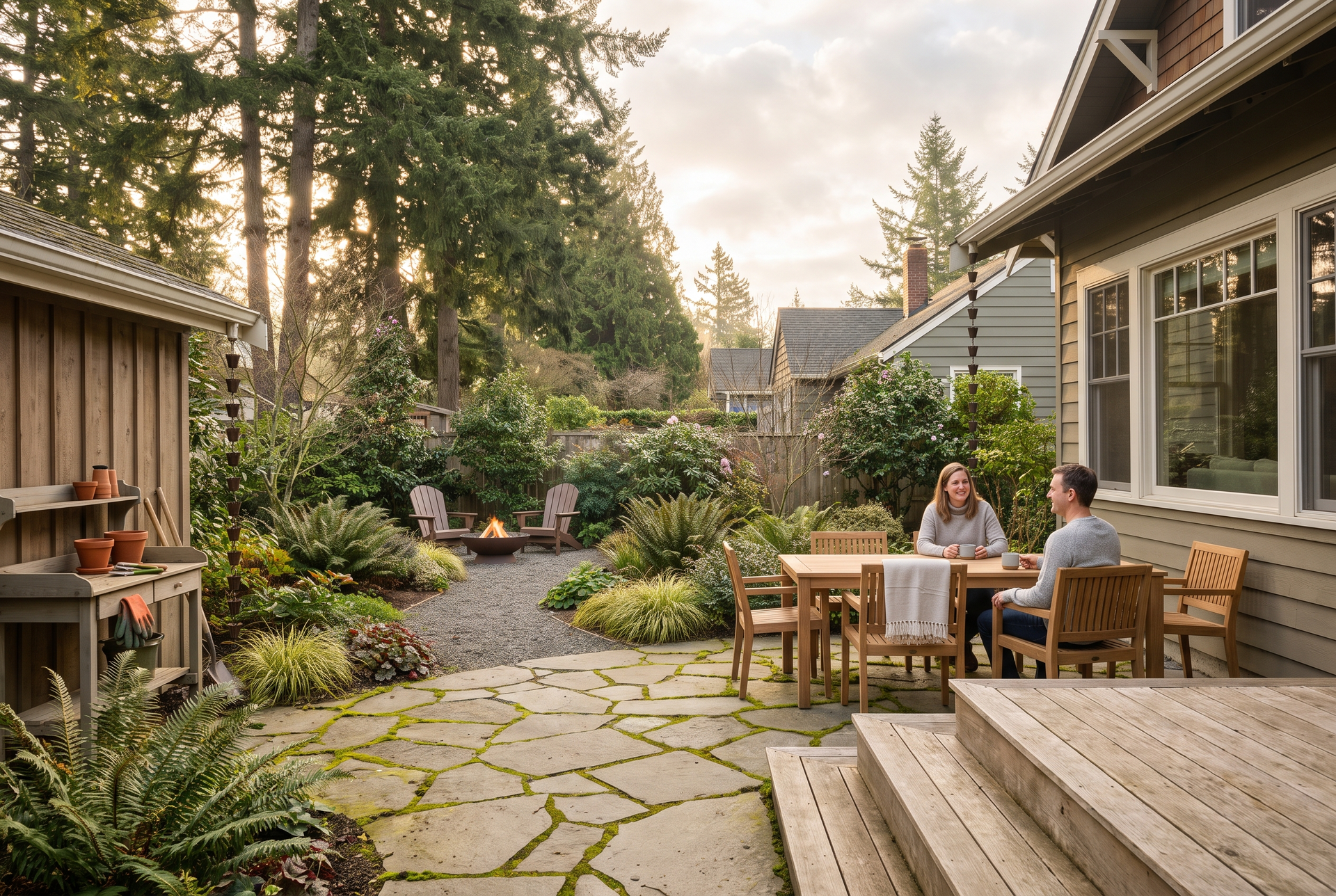
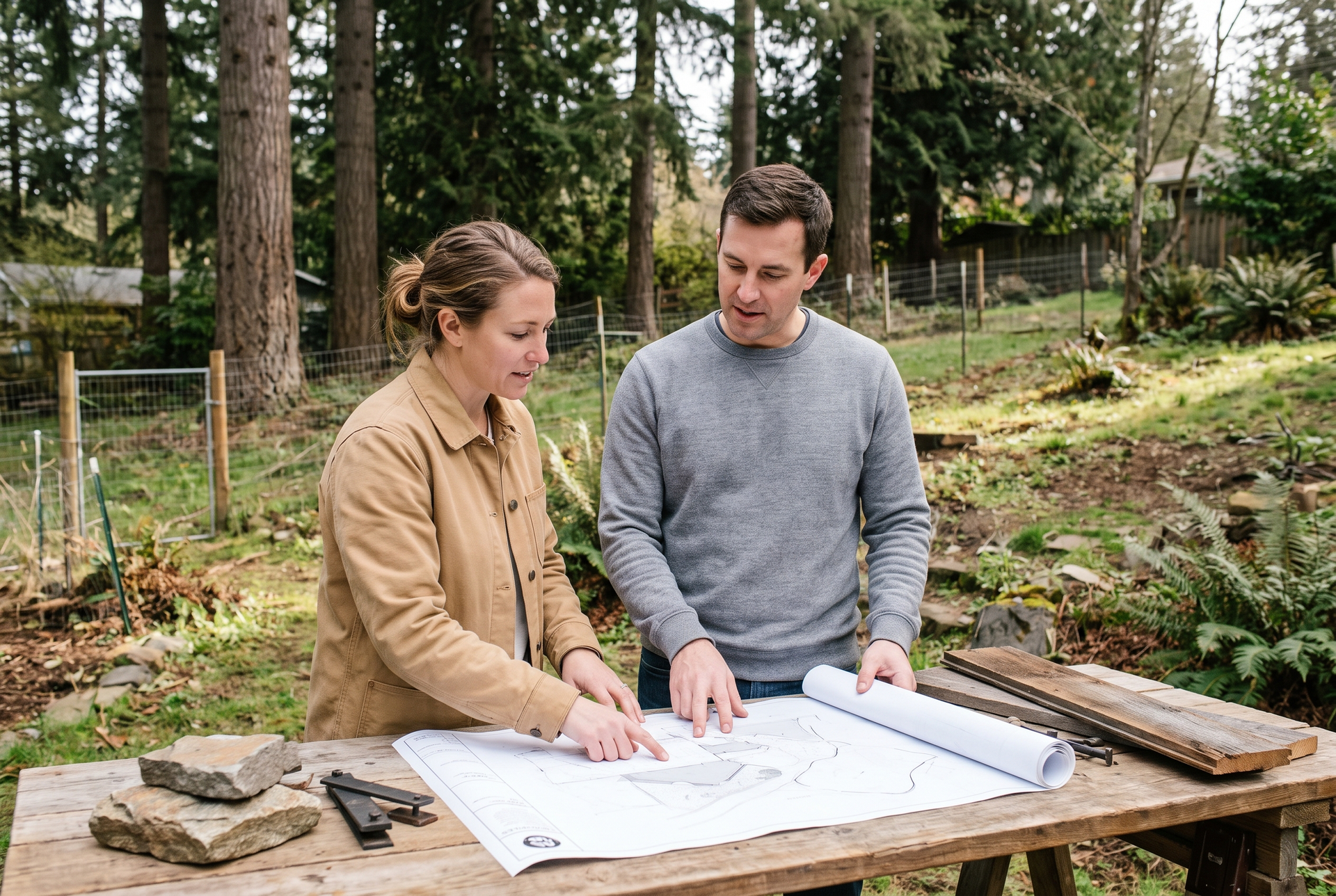
The foundation of any successful outdoor plan begins with a candid assessment of your daily habits, household needs, and available free time. Before choosing plants or picking out paver colors, it is essential to consider who will use the space and how it will function throughout the year. Families with young children or energetic pets might prioritize durable turf areas and smooth pathways, whereas avid entertainers might focus on expanding patio seating and outdoor cooking zones. When functional needs take center stage, practical landscape design transforms a standard yard into an effortless extension of your indoor living space.
Spatial zoning is one of the most effective tools for creating an organized and intuitive outdoor environment. Dividing a yard into distinct functional areas—such as a quiet lounging corner, a dedicated play zone, and a practical storage area—allows multiple activities to occur simultaneously without cluttering the site. Connecting these zones with wide, well-defined stone or concrete walkways prevents muddy foot traffic paths across the lawn and creates a natural visual flow. By aligning your layout with the real-world movements of your household, thoughtful landscape design eliminates daily friction points and makes spending time outdoors far more inviting.
Selecting the Right Plants
One of the most frequent mistakes in traditional property planning is selecting plants based solely on their visual appeal at the nursery, without considering their long-term growth habits or environmental needs. Practical planning flip-flops this process by prioritizing species that naturally thrive in your regional climate, soil type, and sunlight conditions. Incorporating native perennials, drought-tolerant shrubs, and hardy groundcovers drastically reduces the need for supplemental irrigation, fertilizers, and constant pruning. Embracing native flora in your landscape design allows your garden to flourish naturally while supporting local pollinators and beneficial wildlife.
In addition to choosing native species, grouping plants with similar water and light requirements together—a practice known as hydrozoning—maximizes resource efficiency and simplifies ongoing care. Instead of dragging hoses to isolated flower beds all over the property, hydrozoning allows automated drip irrigation systems to deliver precise moisture right where it is needed most. Layering mulch over planting beds further conserves soil moisture, regulates root temperatures, and suppresses stubborn weeds. When plant selection works in harmony with local environmental conditions, holistic landscape design delivers year-round color and texture without demanding constant intervention.
Hardscaping for Low Maintenance and High Usability
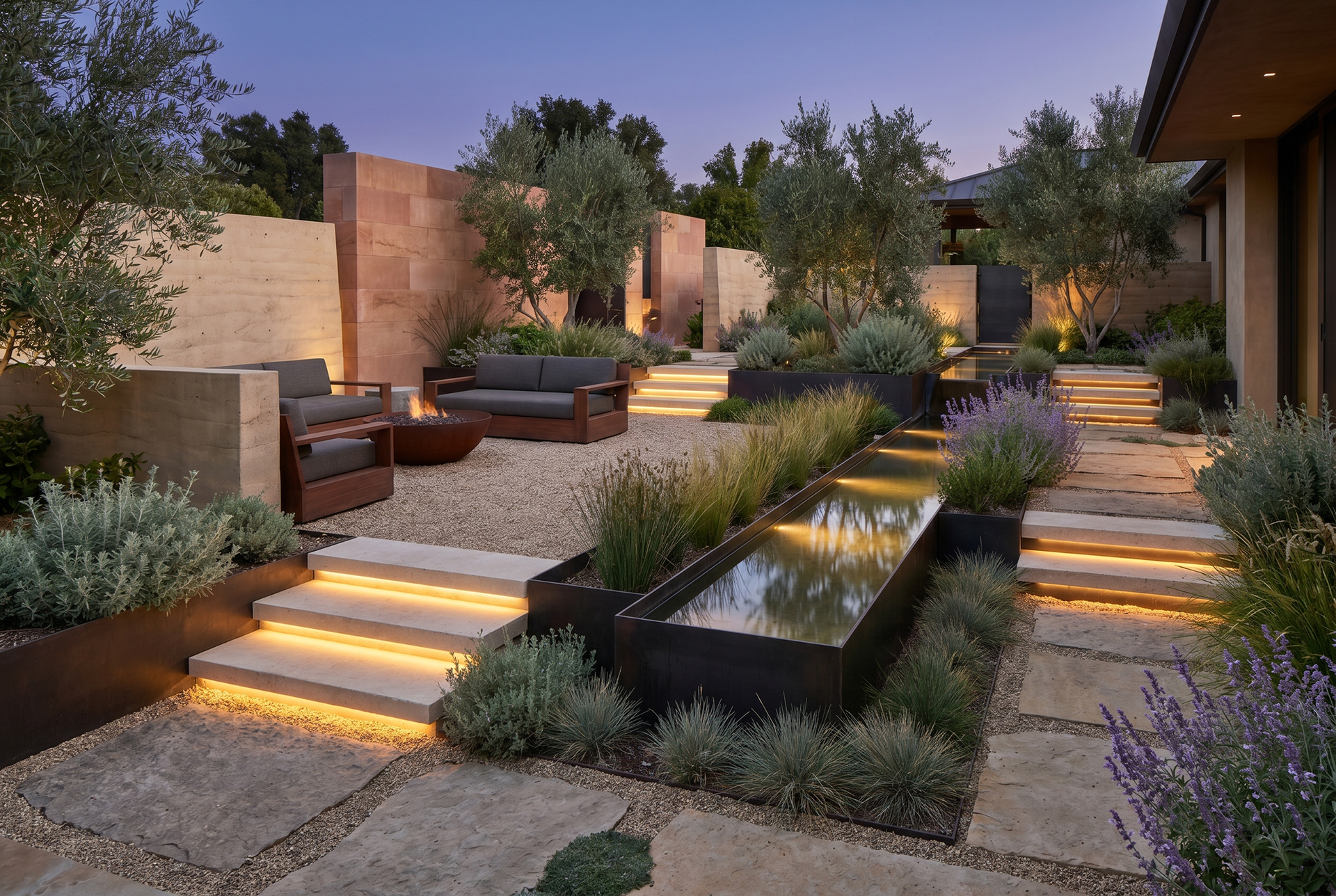
Hardscape elements such as stone patios, retaining walls, gravel pathways, and composite decks form the permanent backbone of a functional outdoor environment. Unlike living turf or flower beds, well-constructed hardscape features provide clean, usable space that requires minimal upkeep over its lifetime. Replacing underutilized or difficult-to-mow lawn sections with a permeable paver patio or gravel fire pit area expands your functional entertainment footprint while reducing weekly mowing time. Integrating durable hardscapes into your landscape design creates a balanced structure that remains stable and attractive regardless of weather extremes.
Proper water management is another critical component of practical hardscaping that protects both your yard and your home’s foundation. Uncontrolled stormwater runoff can cause severe soil erosion, pool in low spots, and flood basements during heavy downpours. Incorporating subtle grading techniques, rain gardens, dry creek beds, and French drains directs excess rainwater safely away from living areas while allowing it to absorb back into the soil naturally. By addressing drainage challenges through intelligent landscape design, you build a resilient property capable of handling intense storms without suffering costly damage.
Adding Four-Season Intentionality and Ambient Lighting
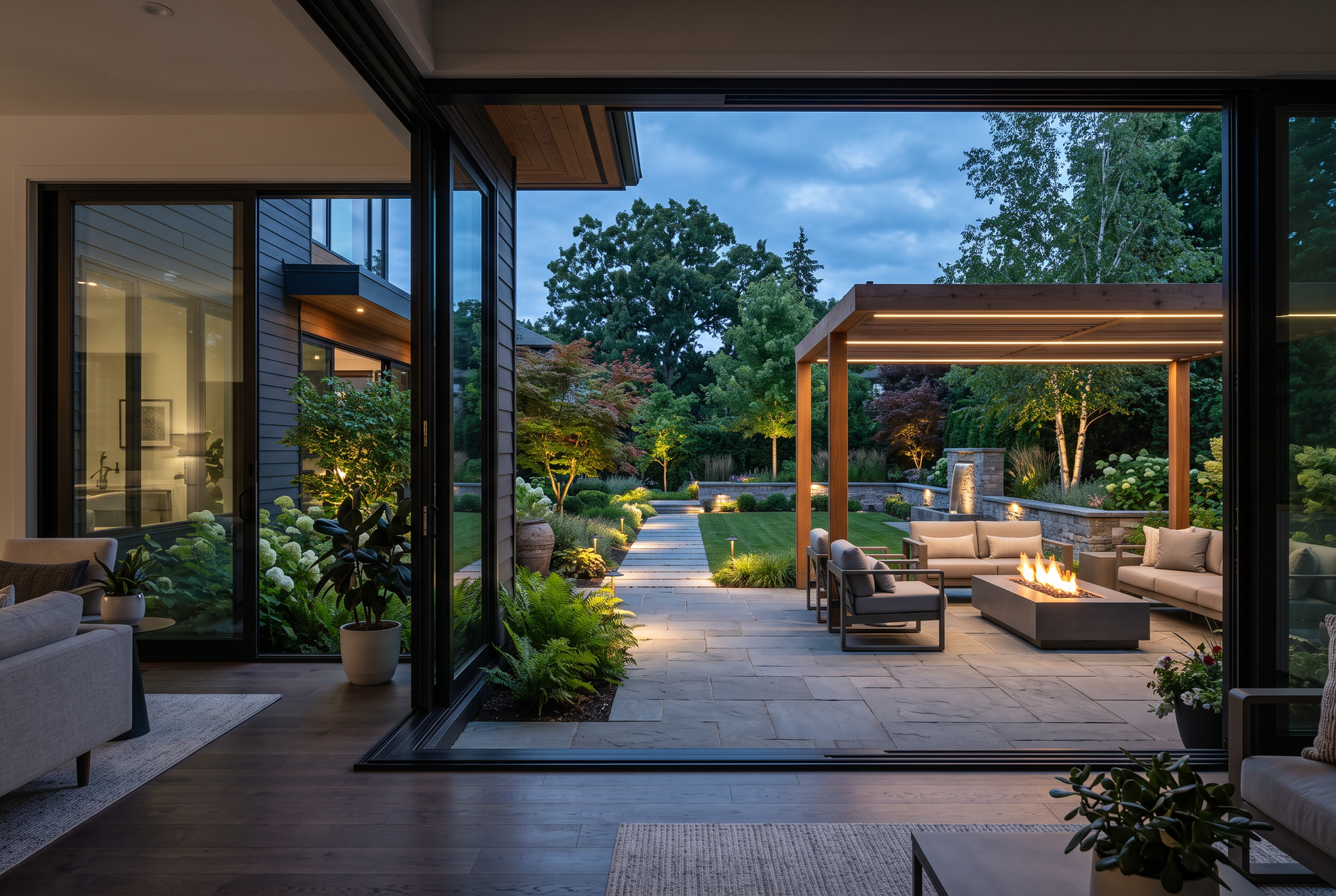
A truly practical outdoor space remains functional and visually engaging throughout every season of the year, rather than serving a purpose only during peak summer months. Incorporating structural elements such as evergreen hedges, ornamental grasses, and winter-blooming shrubs guarantees that your yard retains form, texture, and natural color even after deciduous trees shed their leaves. Installing low-voltage LED pathway lights and warm directional spotlights extends the usability of your outdoor living zones well into autumn evenings while dramatically improving perimeter safety and security around your property.
Integrating climate control features such as covered pergolas, shade sails, or built-in outdoor fire pits further expands the usable lifespan of your patio across changing weather conditions. A well-placed shade canopy offers essential shelter from intense midsummer sun, while an integrated gas fire table or radiant overhead heater transforms a cool evening patio into a cozy, functional gathering venue. Designing with year-round utility in mind ensures that your investment continues to provide comfort, relaxation, and value regardless of seasonal shifts.
Maintaining Water Management and Soil Health
Long-term success in outdoor planning relies heavily on cultivating rich, biological soil health and implementing intelligent water management strategies. Amending native soil with organic compost improves nutrient retention, encourages deep root growth, and enhances natural drainage performance across planting beds. Installing smart irrigation controllers equipped with weather sensors ensures that lawn and garden areas receive water only when needed, reducing waste and utility costs during rainier periods. By prioritizing sustainable soil care and smart watering practices, your property builds natural resilience against pests, diseases, and sudden heatwaves.
Integrating rain barrels and permeable pavers further reduces municipal water reliance while managing local stormwater on-site. Permeable hardscape materials allow rain to filter through stone joints directly into the groundwater table, preventing surface pooling and soil compaction around plant roots. Selecting drought-resistant turf alternatives or clover lawns reduces mowing demands and minimizes synthetic chemical inputs across large open areas. Grounding your property layout in eco-friendly principles ensures that your garden remains vibrant, healthy, and easy to manage throughout every stage of growth.
Maintaining Long-Term Efficiency, Value, and Enjoyment
Investing in a practical outdoor layout delivers significant financial and personal returns over the life of your home. Low-maintenance outdoor environments conserve valuable water resources, reduce chemical runoff into local watersheds, and cut down on expensive maintenance machinery costs. Furthermore, prospective homebuyers consistently favor properties with attractive, well-organized outdoor spaces that do not require endless manual labor to keep looking pristine. A smartly planned yard enhances curb appeal, increases usable square footage, and adds tangible market value to your residence.
Creating an outdoor space for real life is about striking a comfortable balance between natural beauty and effortless utility. By focusing on smart spatial zoning, climate-appropriate plant selections, durable hardscape materials, and proactive water management, you can build an environment that fits your routine. Embracing practical
landscape design allows you to spend less time managing your yard and more time enjoying it with family and friends for years to come. Contact Jenna Bayer Garden Design today to schedule your consultation and transform your outdoor space into a beautiful, low-maintenance sanctuary tailored to your lifestyle.