May 21, 2026
By Jenna Bayer | May 21, 2026
Outdoor spaces offer more than simple utility; they provide a sense of retreat, a place to pause, unwind, and reconnect. Thoughtfully designed landscapes transform these areas into meaningful extensions of the home, reflecting both personal style and everyday function. A landscape design service plays an integral role in shaping these environments, combining careful planning, intentional layout, and well-considered planting strategies to create spaces that feel both balanced and inviting.
Engaging a landscape design service goes far beyond selecting plants or arranging features. It is a comprehensive and collaborative process grounded in understanding how a space will be used and experienced over time. Designers consider client goals, site conditions, and long-term environmental performance to guide each decision with purpose. The result is an outdoor environment that is as practical and enduring as it is visually compelling.
Whether the vision leans toward a tranquil garden, a welcoming outdoor living area, or a more structured landscape composition, a design service thoughtfully guides each stage of the development process. Ideas are refined into cohesive, intentional spaces, where creativity and functionality work in harmony.
A Clear Client Vision
Thoughtful Initial Consultation
Every design journey begins with a conversation. The initial consultation is an opportunity to understand how the space will be lived in and what the client hopes to create. Designers gather insight into lifestyle, aesthetic preferences, and any unique challenges presented by the site. From these early discussions, a landscape design service helps shape a clear and meaningful direction.
Priorities begin to take form, whether that’s creating gathering areas, defining planting zones, or improving circulation throughout the space. Open, thoughtful dialogue ensures that the design process moves forward with clarity and shared intention.
This stage also invites early creative exploration. Designers begin to consider layout possibilities, structural approaches, and planting concepts, establishing a strong foundation for what’s to come.
Understanding Preferences for Outdoor Living
Personal style is at the heart of any successful landscape. Some gravitate toward clean, modern lines, while others prefer the softness of naturalistic gardens. A landscape design service translates these preferences into a cohesive design language that feels authentic and enduring.
Visual references, material samples, and conceptual sketches help bring ideas into focus. Discussions around planting styles, textures, and spatial organization ensure that each decision reflects the overall vision.
Equally important are practical considerations, maintenance expectations, seasonal changes, and long-term growth. By balancing beauty with functionality, the design becomes both expressive and sustainable over time.
Careful Site Analysis
A well-designed landscape begins with a deep understanding of the land itself. Designers evaluate soil composition, sunlight patterns, grading, drainage, and existing vegetation. These insights inform how each area of the space can best be utilized.
By working in harmony with natural conditions, a landscape design service creates environments that feel grounded and resilient. Planting zones, structural elements, and circulation paths are all shaped by this careful analysis, supporting both long-term health and visual cohesion.
Establishing a Thoughtful Budget
Budget planning brings structure and clarity to the design process. By working closely with clients to define financial parameters, designers help prioritize elements that matter most.
From materials and plantings to construction considerations, each decision is made with intention. A landscape design service often breaks the project into manageable phases, allowing for flexibility while maintaining a cohesive vision. This thoughtful approach ensures that resources are used wisely without compromising design integrity.
Defining Purpose and Goals
Clear goals anchor every successful landscape. Whether the focus is on creating a welcoming outdoor living space, improving flow, or establishing a sense of structure and order, these intentions guide every design choice.
Both immediate needs and long-term aspirations are considered, resulting in spaces that evolve gracefully over time. This balance between present function and future growth is what gives a landscape lasting relevance and beauty.
Structured Design Systems
Conceptualizing the Outdoor Experience
The conceptual design phase brings ideas to life in their earliest form. Through sketches and layouts, designers explore spatial relationships, movement, and the placement of key features. It is a collaborative and iterative process in which ideas are refined and aligned with client expectations.
A landscape design service guides this phase with creativity and care, ensuring that the emerging design feels both inspired and intentional.
Selecting Materials with Purpose
Materials define both the character and durability of a landscape. From paving and decking to structural features, each selection contributes to the overall aesthetic and performance of the space.
Designers thoughtfully curate materials that complement one another while responding to environmental conditions. Planting choices are coordinated alongside these selections, creating a seamless and cohesive design language throughout.
Every material is considered not only for its appearance, but also for its longevity and suitability, ensuring a result that endures beautifully.
Developing Detailed Plans
As the design takes shape, detailed plans provide the roadmap for implementation. These documents outline dimensions, materials, planting strategies, and layout specifications with precision.
A landscape design service ensures clear communication between design and construction teams, minimizing uncertainty and aligning vision with execution. These plans serve as the bridge between concept and reality, supporting a smooth and efficient process.
Preparing the Foundation
Site preparation is a critical first step in bringing the design to life. Clearing, grading, and soil preparation set the stage for everything that follows. With careful coordination, this phase ensures that the site is ready to support the design as intended.
Integrating Structural Elements
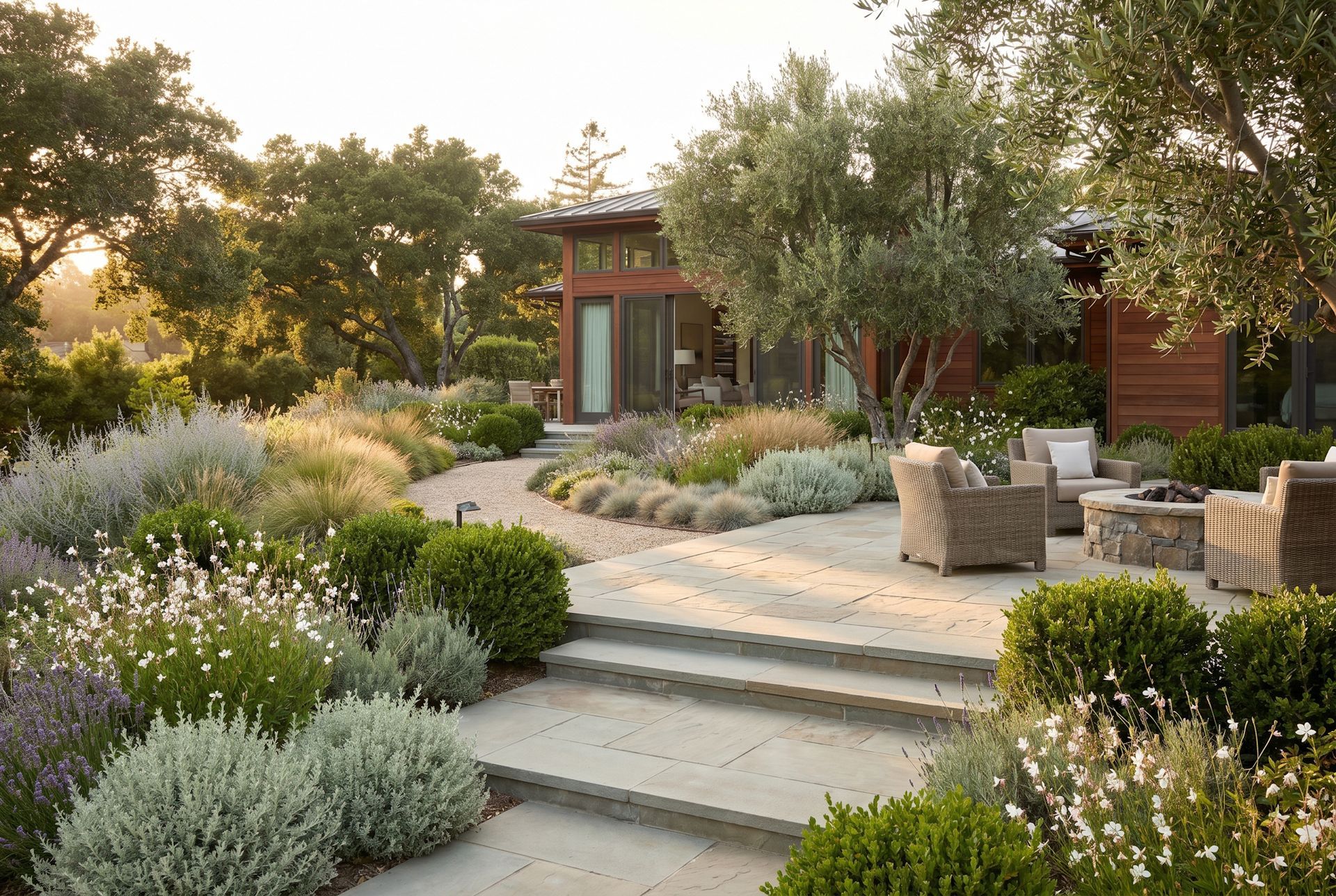
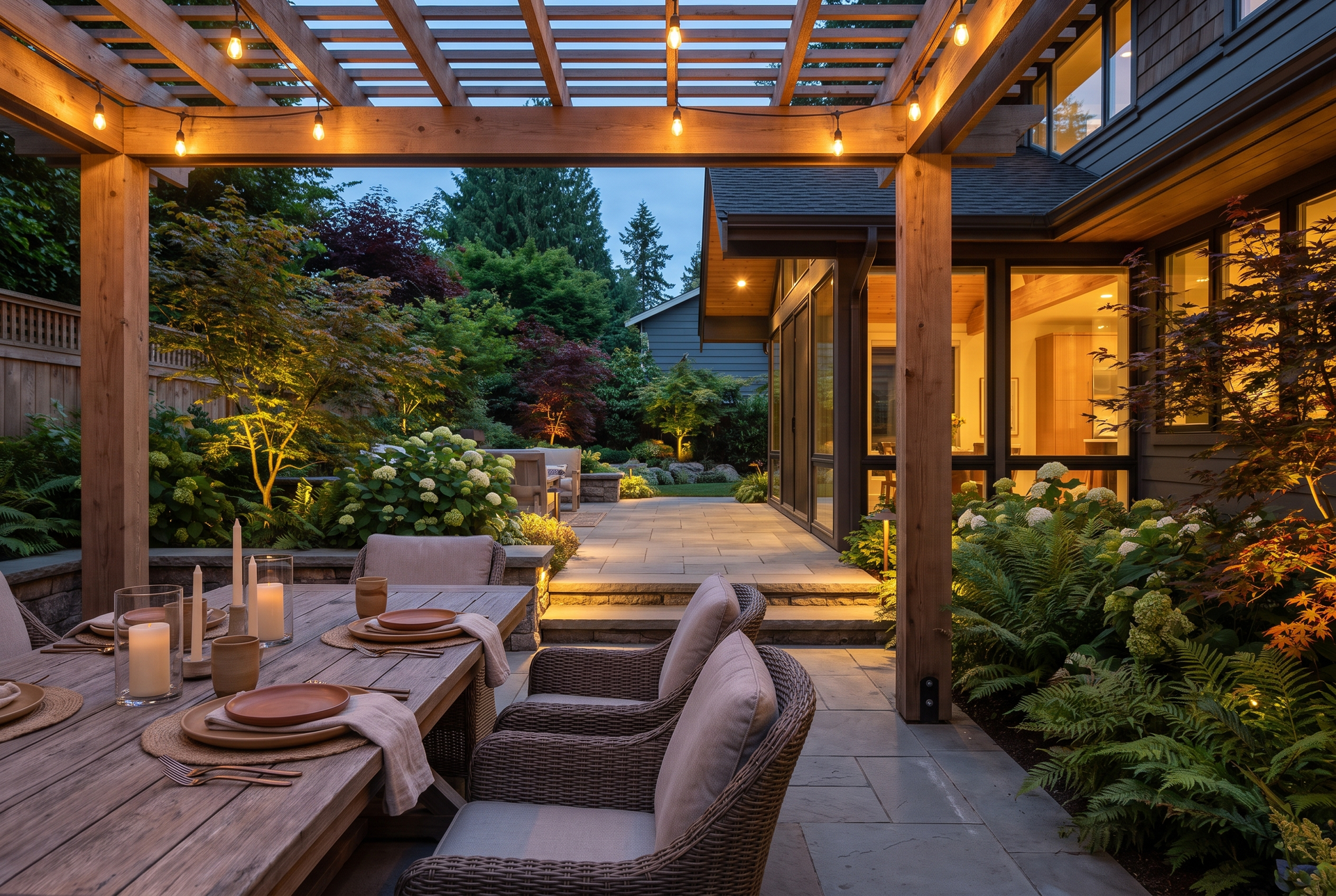
Patios, walkways, and outdoor features provide structure and define how the space is experienced. These elements are carefully integrated into the landscape, offering both functionality and visual clarity.
By aligning construction methods and materials with the overall design, a landscape design service ensures a cohesive and enduring result.
Designing with Planting in Mind
Planting design adds depth, texture, and seasonal variation to the landscape. Each plant is selected with care, considering light, soil, growth patterns, and long-term performance.
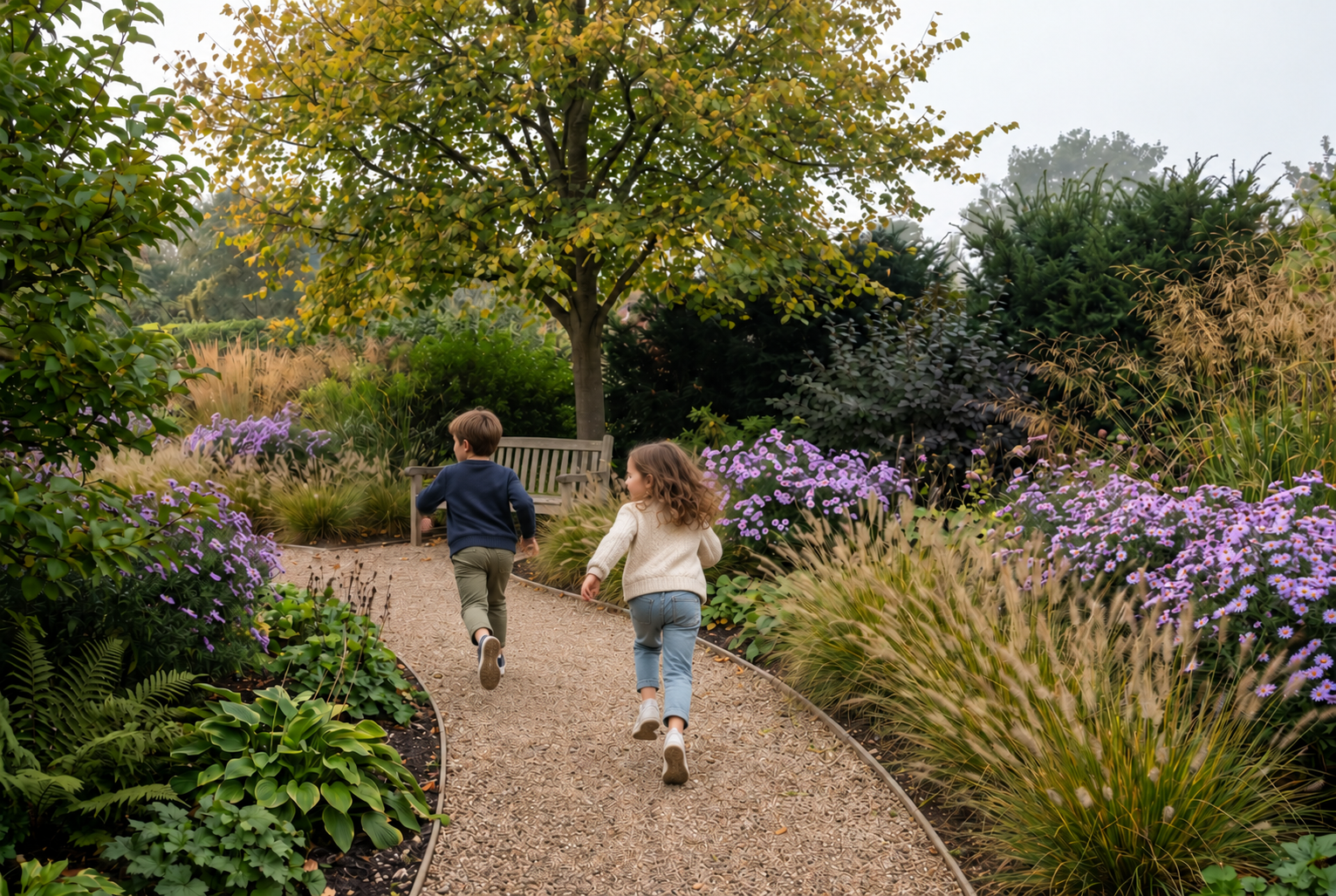
Placement is equally intentional, guiding movement, framing views, and creating a sense of rhythm throughout the space. The result is a living design that evolves beautifully with time.
Ultimately, a well-designed landscape brings together structure, planting, and environment into a unified whole. With thoughtful planning and a deep understanding of both design and place, outdoor spaces become more than just surroundings; they become experiences.
Jenna Bayer Garden Design approaches each project with this philosophy in mind, crafting outdoor environments that feel both purposeful and timeless.